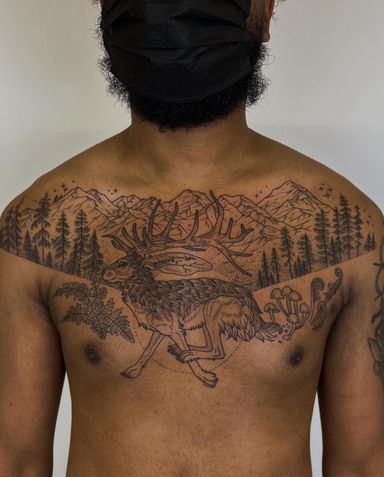
Watercolor Tattoos: Technique, Placement and How Long They Last
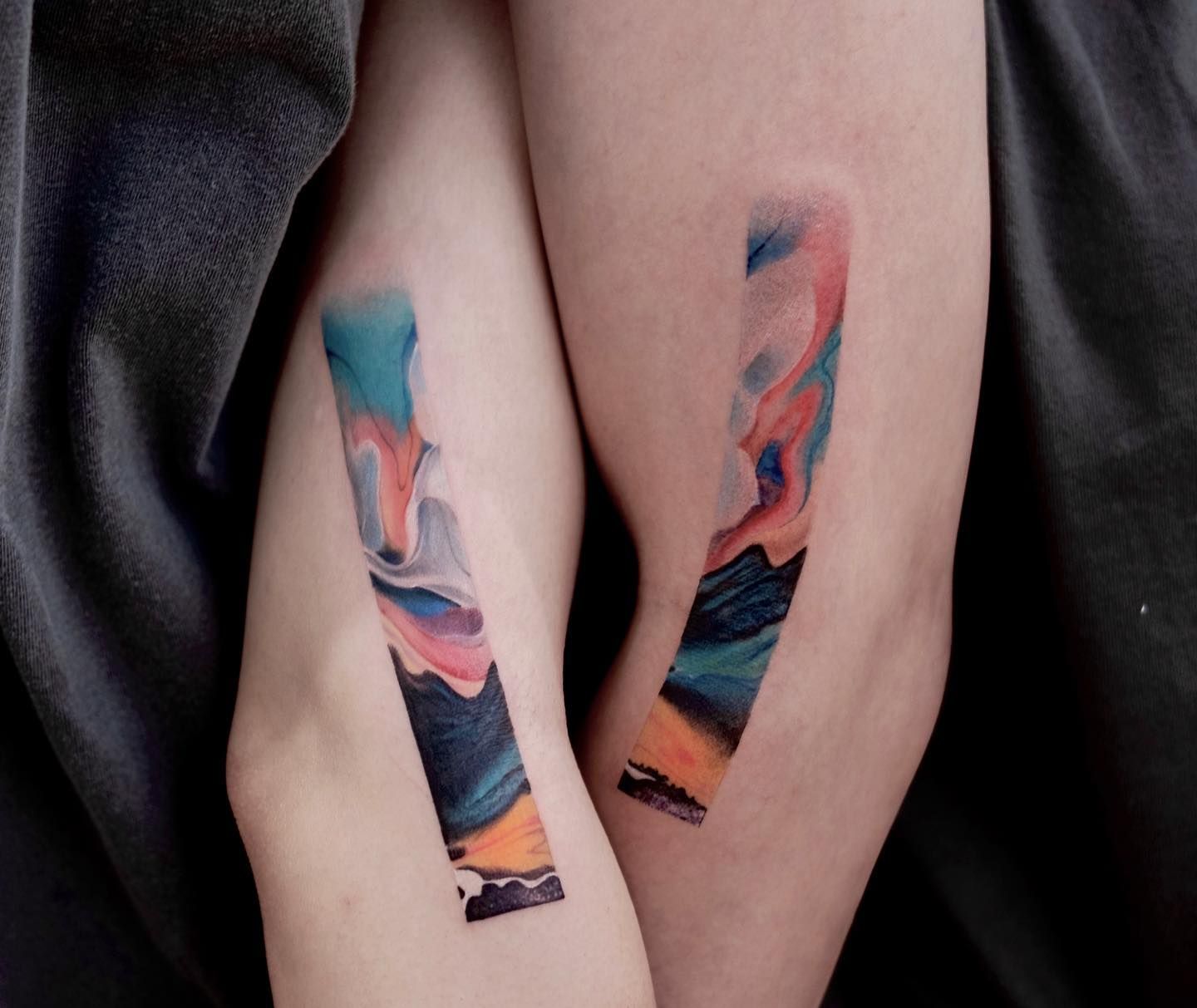
Tattoo flash was colored with watercolor paint long before artists began tattooing the wash itself. How they build it in the skin, and where it lasts longest.
Related galleries
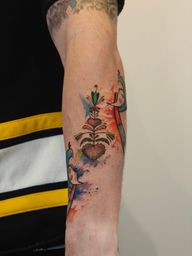
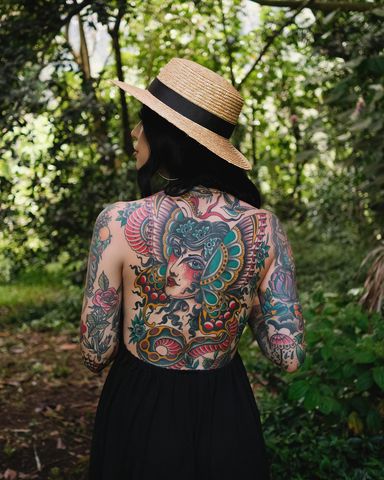
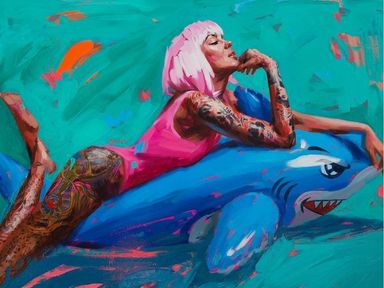
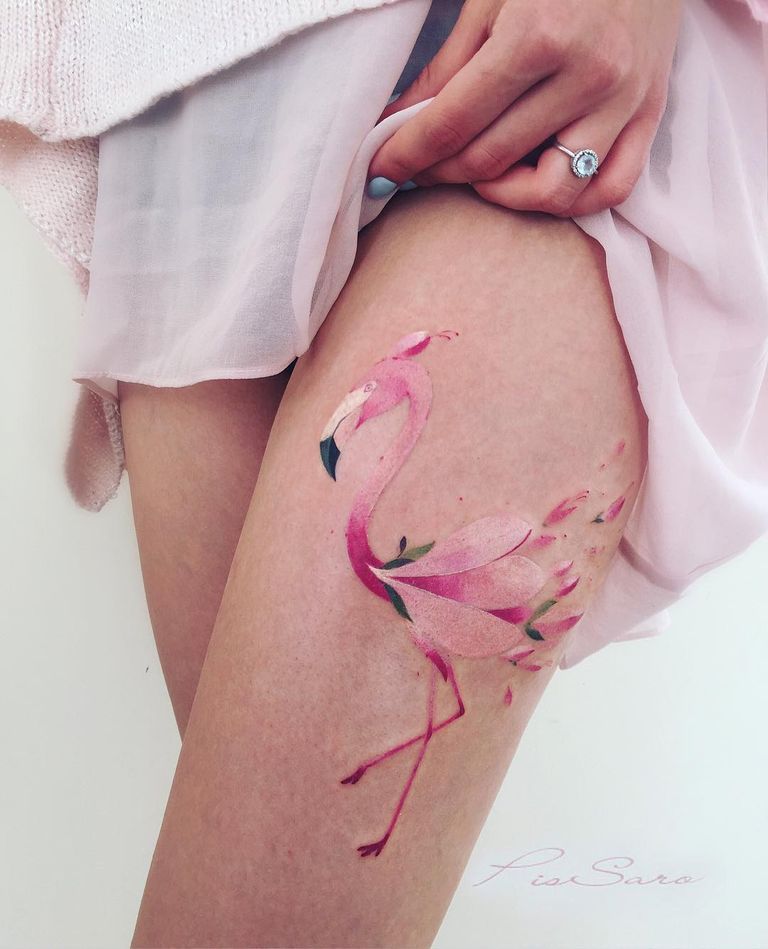
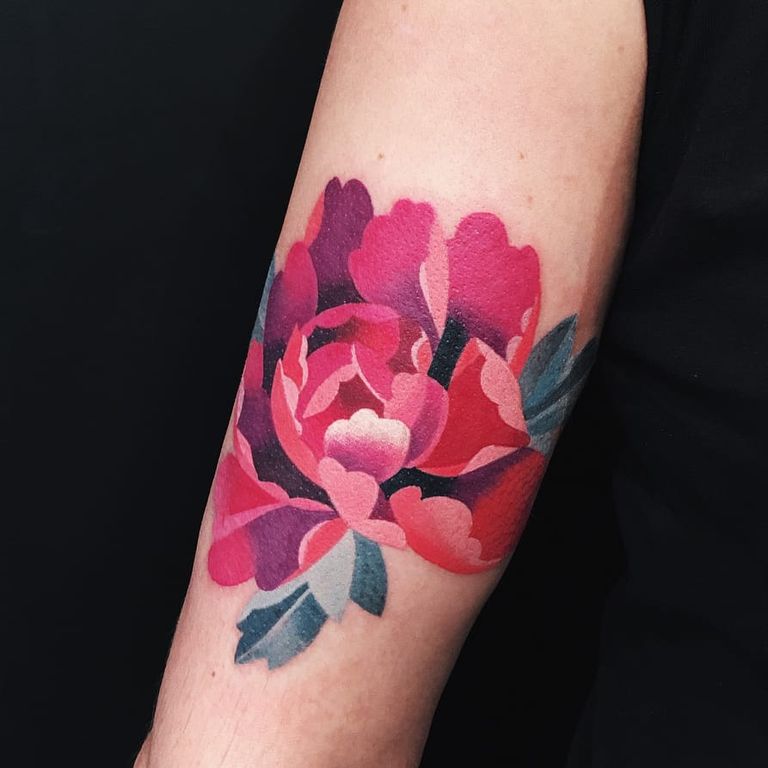
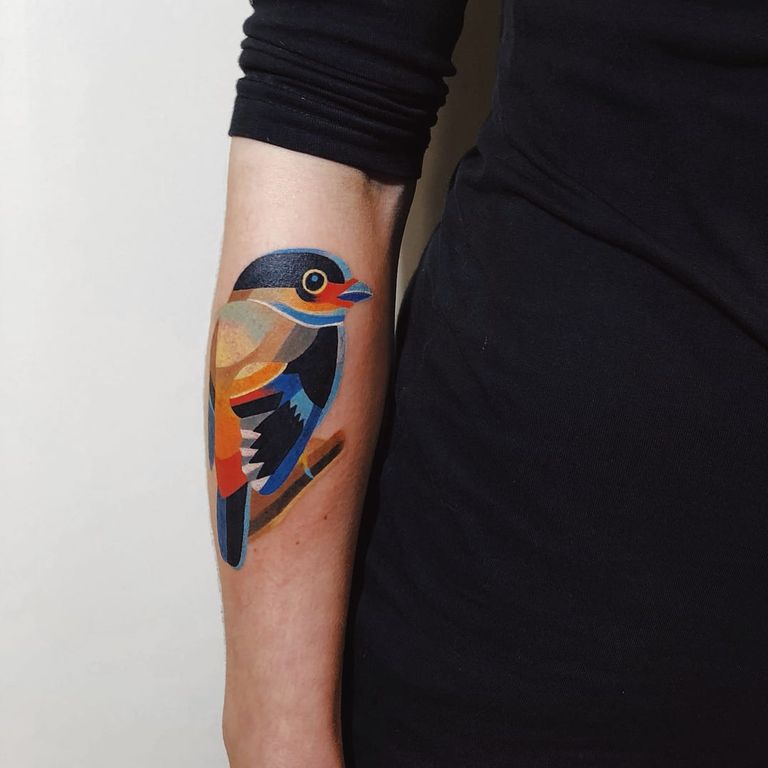
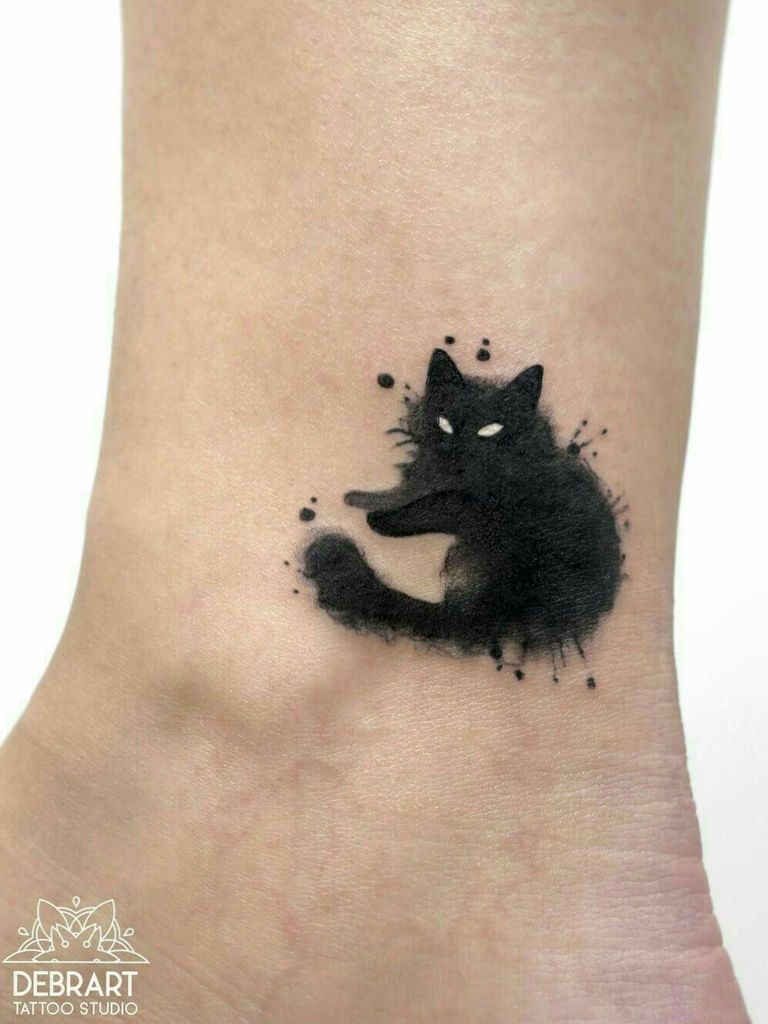
A watercolor tattoo is designed to look like a painting on paper. Color goes in as soft washes that fade out into bare skin. Colors bleed into each other, and splatters or drips sit around the edges. Many have no outline at all, or only a few loose black lines. Flowers, birds, animals and landscapes are the usual subjects.
Summary
- Pieces with no black structure fade and blur sooner than outlined tattoos.
- Pale yellows, pinks and pastels wash out first. Sunscreen slows that down.
- Give the design room. A palm-sized piece holds its gradients better than a tiny one.
What defines a watercolor tattoo
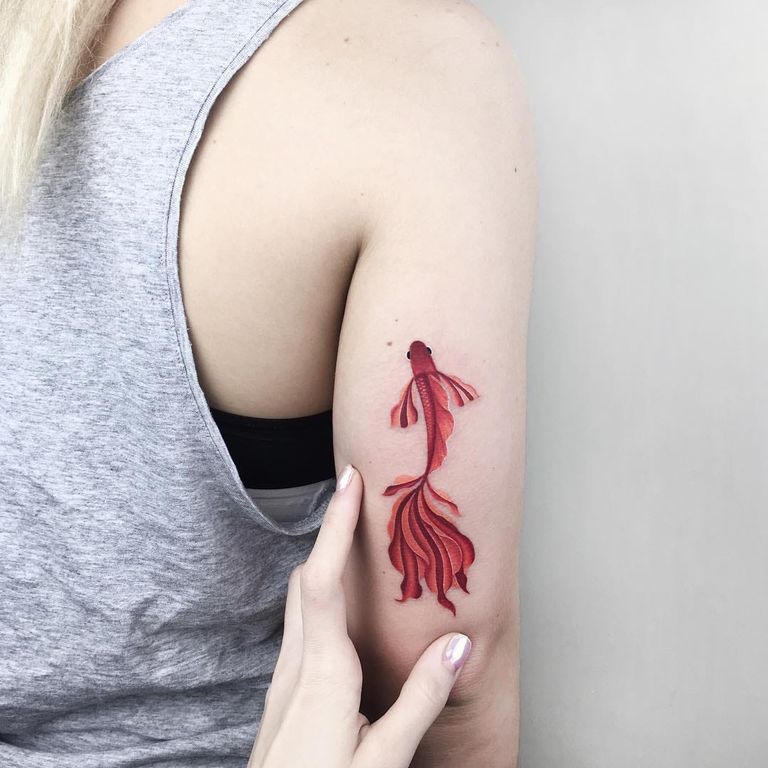
The color looks thinned with water, so skin shows through the lighter areas. The edges are soft. A shape dissolves into the skin or the next color instead of ending at a line. Planned accidents, like splashes and drips, make it look painted rather than drawn. You’ll also see it spelled watercolour. It’s the same style.
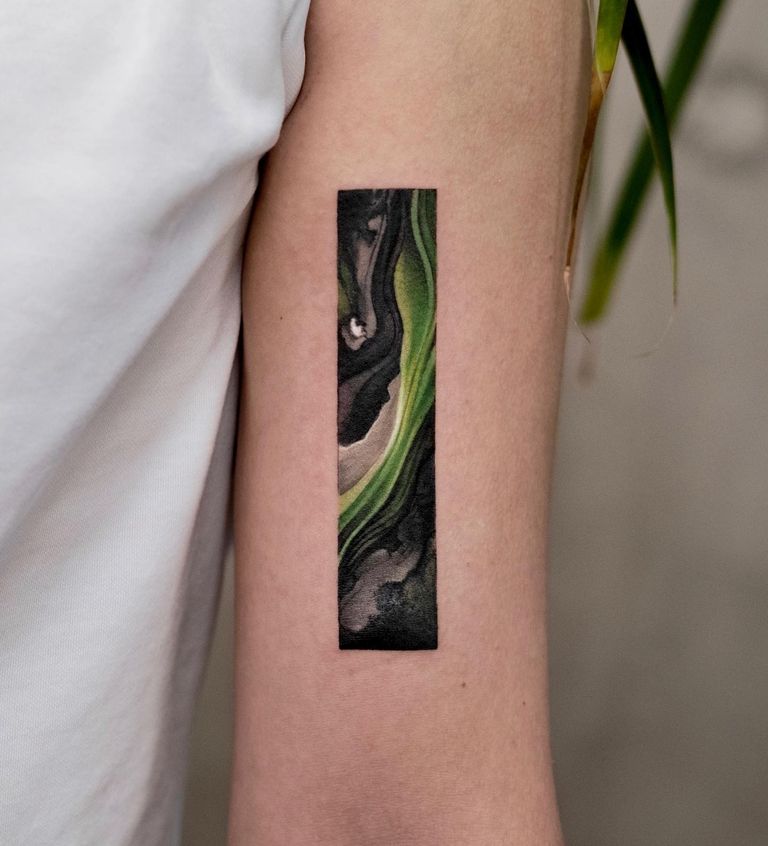
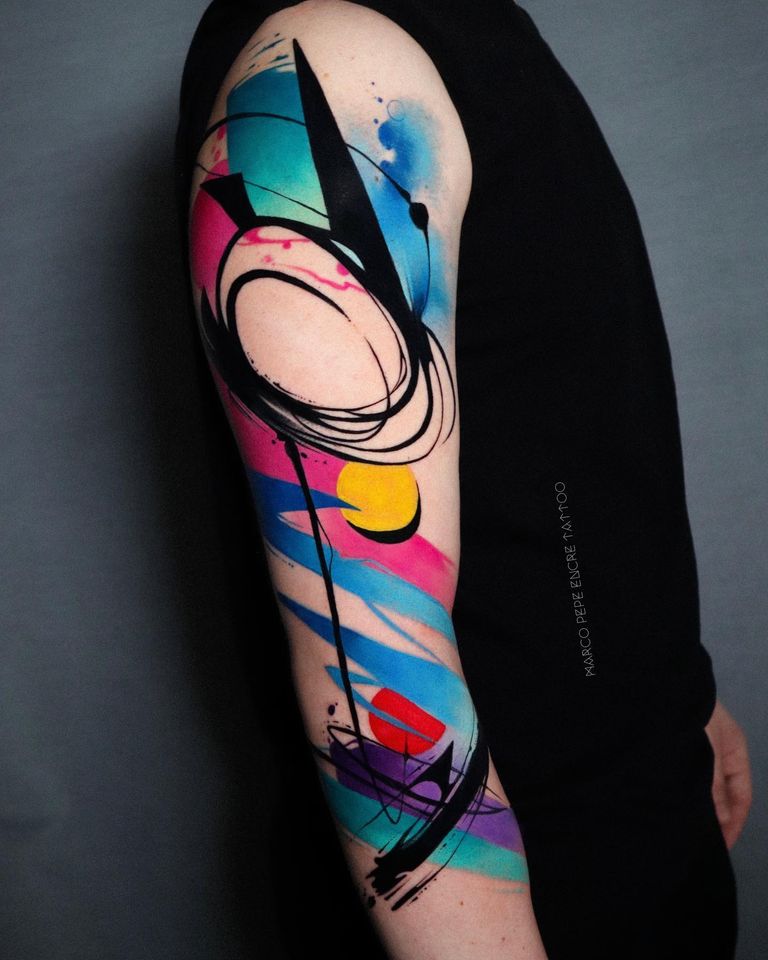
Flowers, birds and fish turn up most often, because their shapes still read when the edges go soft. Some artists reproduce real paintings. Others skip a subject and go for abstract brushwork.
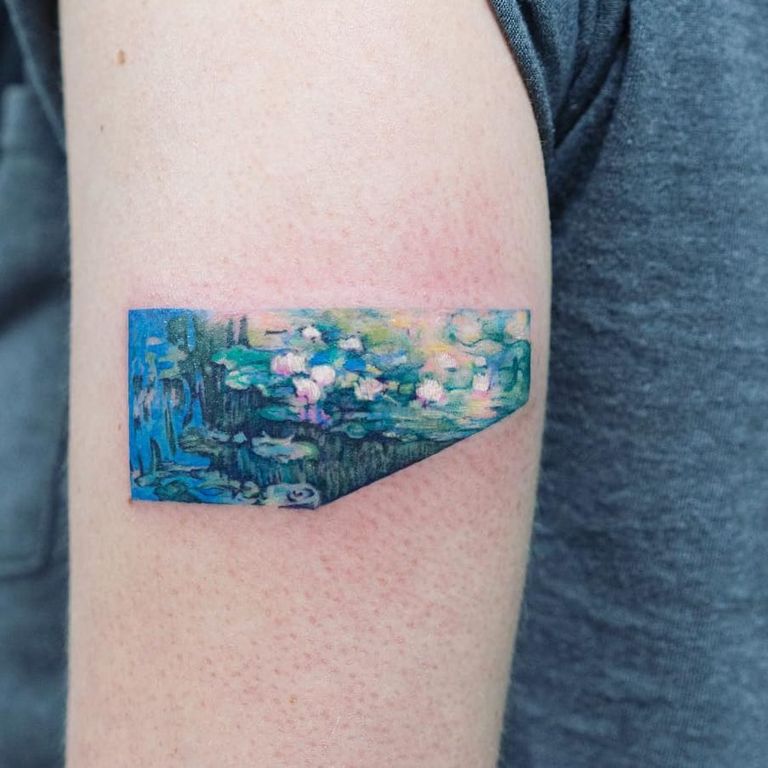
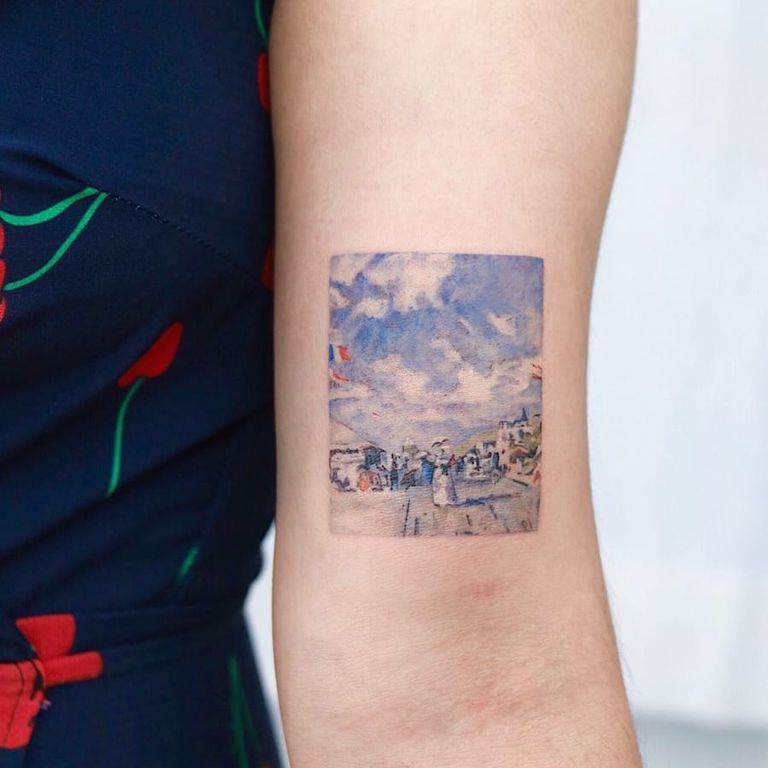
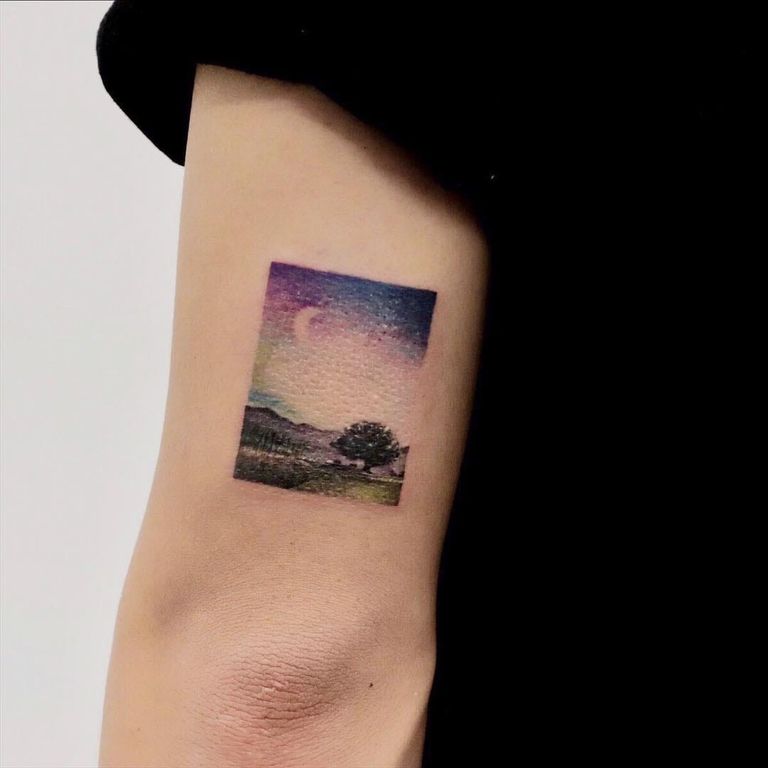
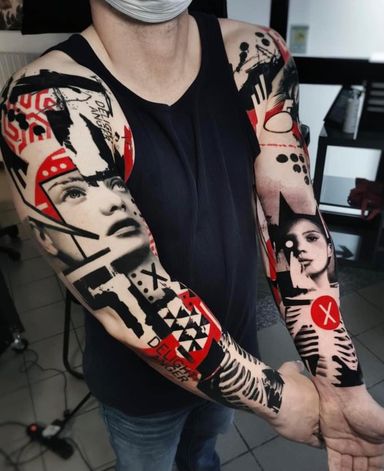
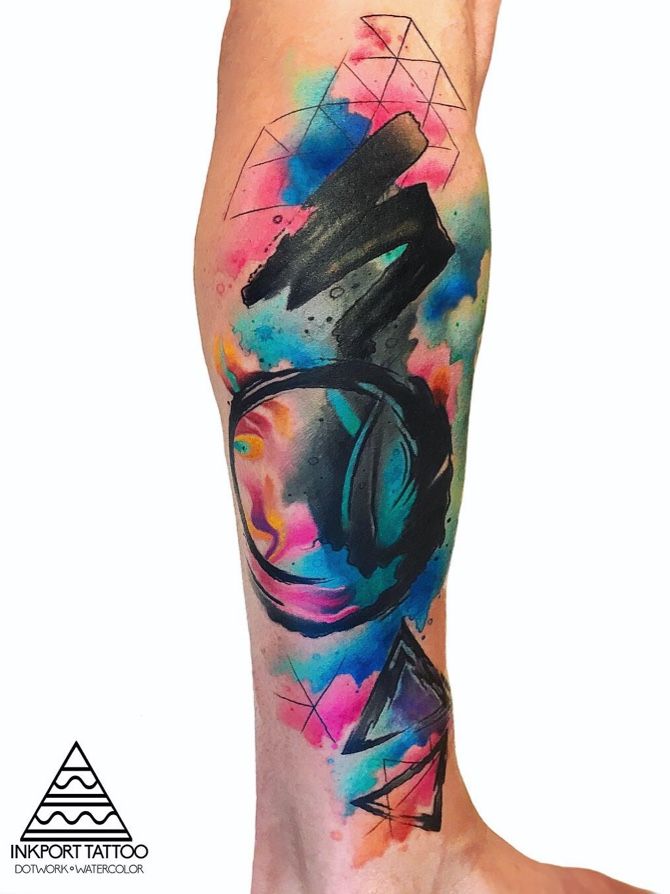
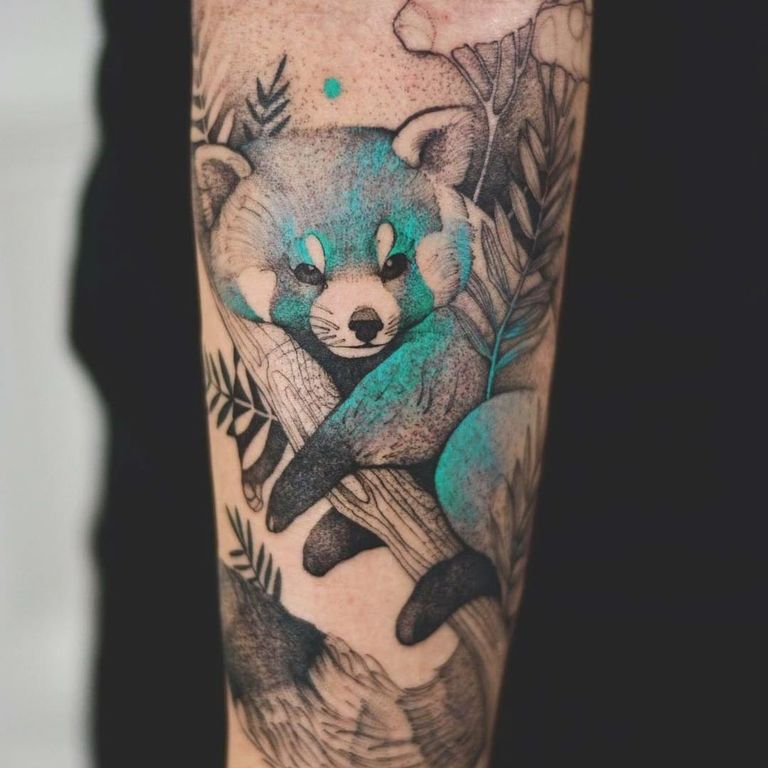
Watercolor also gets layered onto other styles. Geometric pieces and sketchy illustrative tattoos often carry a wash of color behind the black. Trash polka shares the spilled-paint look, but keeps to red and black.
Where watercolor tattoos come from
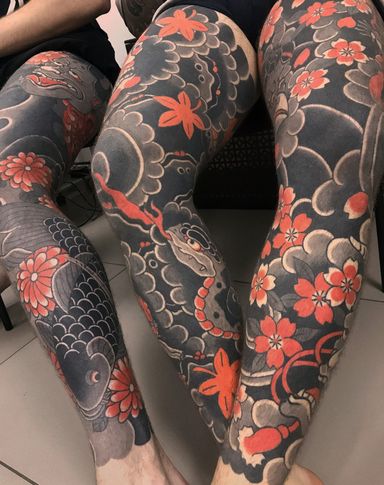
The name comes from the painting medium. Tattooing has used watercolor for a long time, just not on skin. Flash sheets were traditionally colored with it. On skin, though, those designs became bold outlines with solid color, because that is what held up.
Tattooing the wash itself is much newer, and no single artist invented it. By 2013, more art-school graduates were going into tattooing. They brought brushstroke effects and ink spills with them. Through the 2010s, the look spread widely.
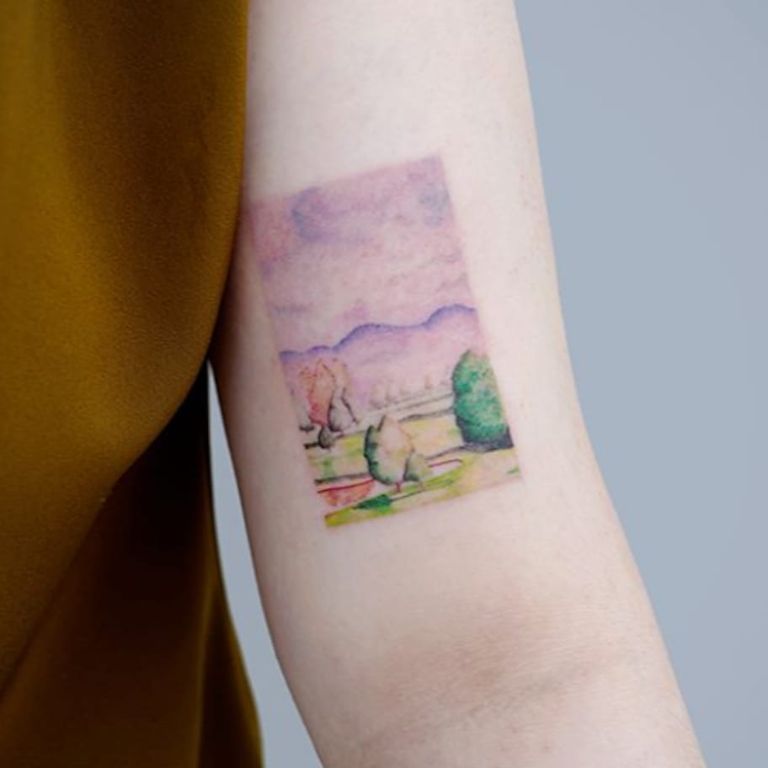
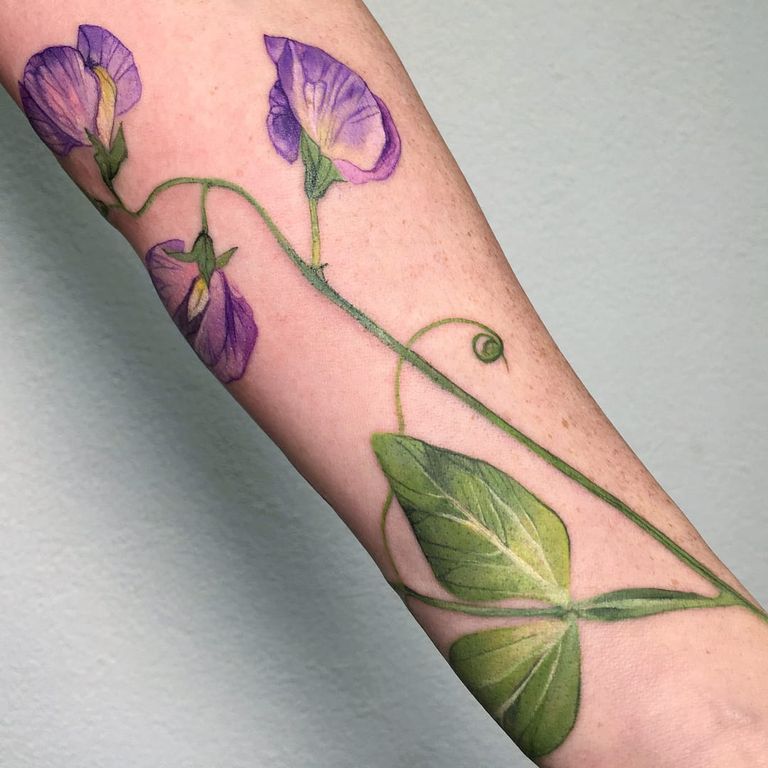
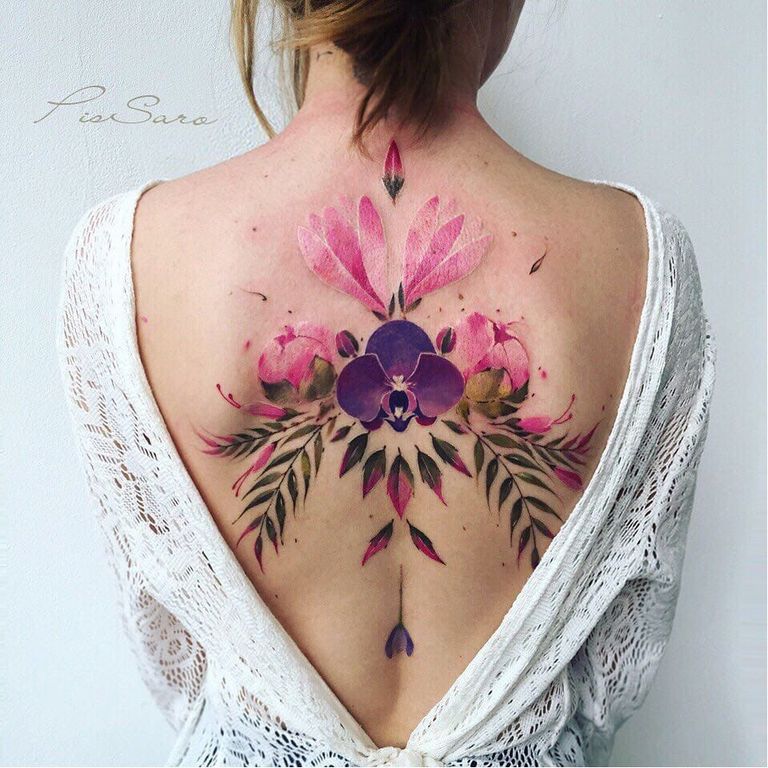
How watercolor tattoos are done
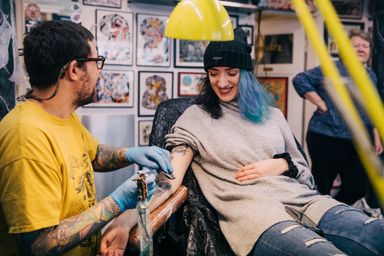
A watercolor tattoo uses the same machines and inks as any color tattoo. The difference is how the color goes down. Pale tones come from ink diluted with a mixing solution. The artist builds color in thin layers with a light, sweeping hand, so it weakens gradually toward bare skin. Splatters are placed one drop at a time. Each splash is planned, even when it looks accidental.
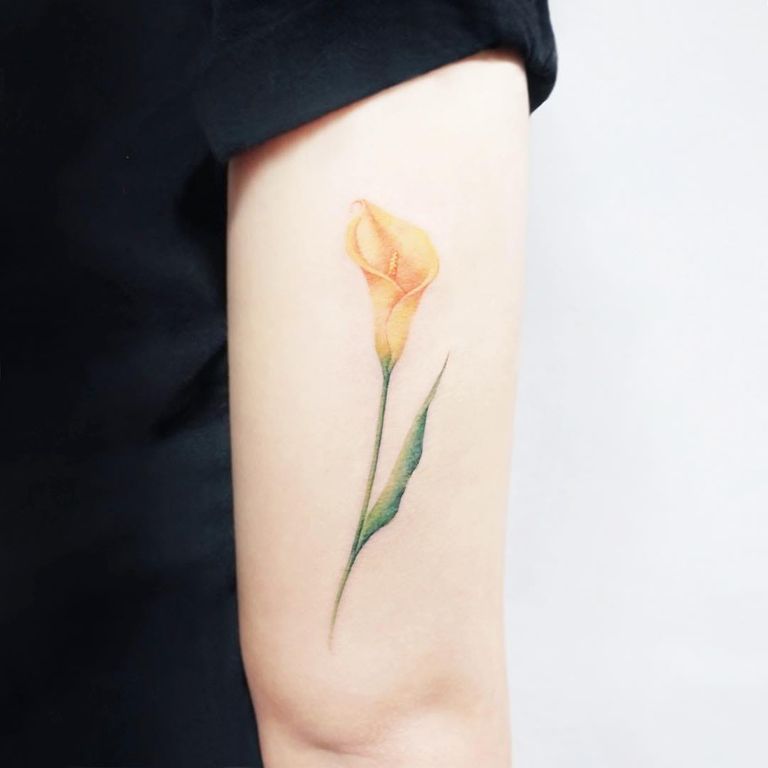
The black structure
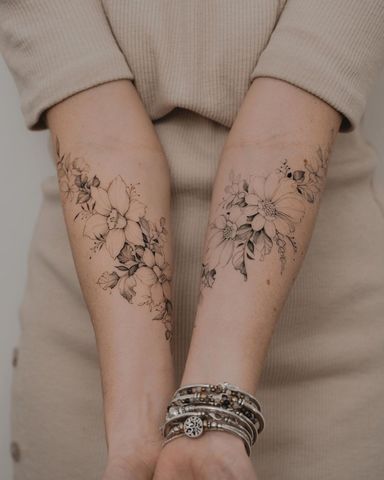
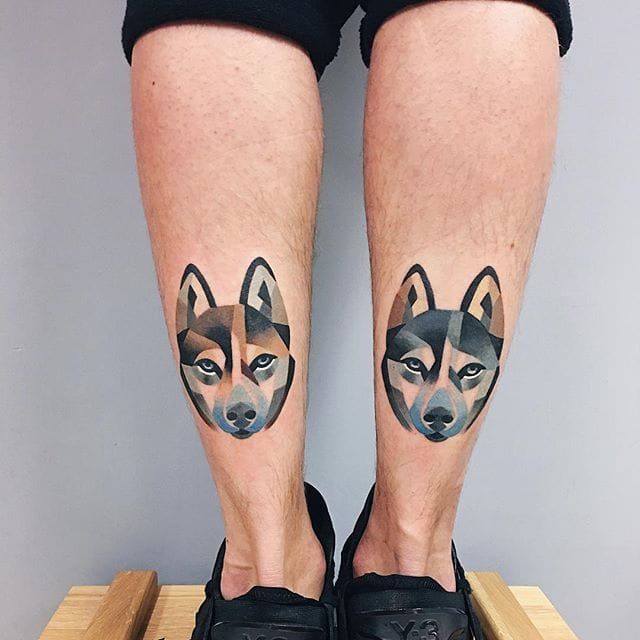
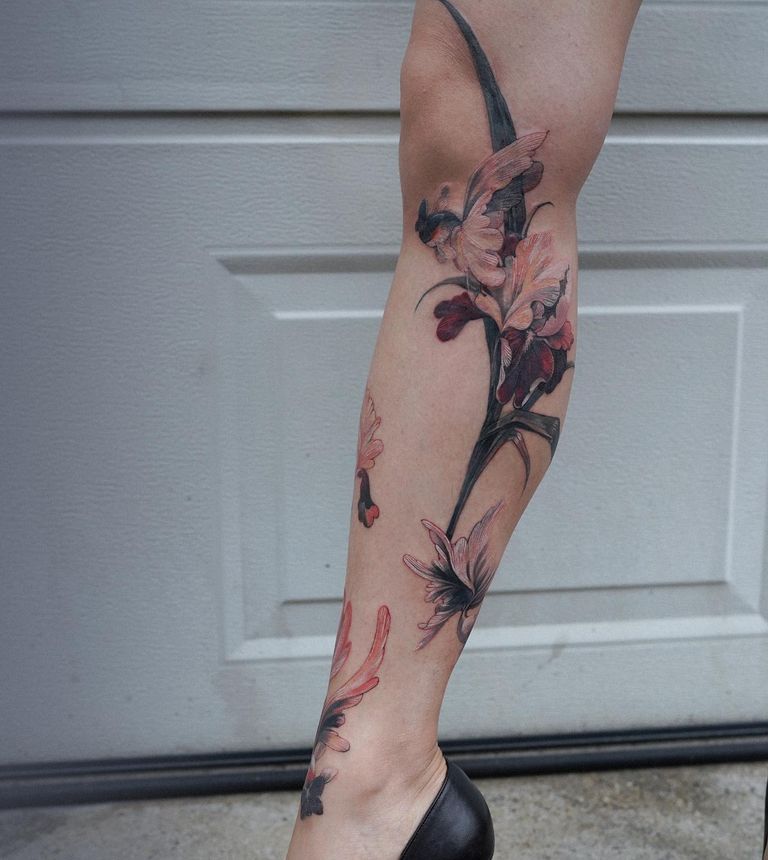
Many watercolor artists now put black under the color. It might be a fine outline, sketchy linework, or a “skeleton” of grey shading that defines the main shapes. On a fresh tattoo you may barely notice it. Years later, it’s what keeps the design readable. Some artists still use no black at all, so ask which approach yours takes.
How long do watercolor tattoos last?
A watercolor tattoo is as permanent as any other. The ink doesn’t wash out. What changes is how crisp it looks. Nobody can promise a number of years. It depends on the colors, the placement, your skin and the sun.
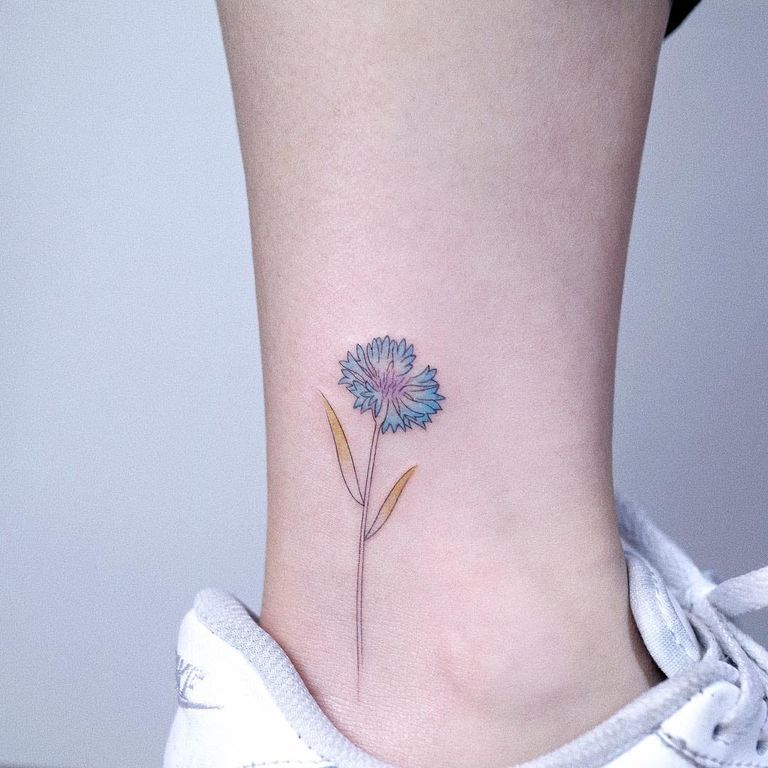
A design built on black outlines can soften for years and still read clearly. A design made only of washes has nothing holding its shape, so the same softening shows much more. Pale tones also start with less pigment, so light yellows, pinks and pastel blues look washed out first.
Sun speeds all of this up. UV light can fade some tattoo inks, so use a broad-spectrum, water-resistant sunscreen of SPF 30 or higher. See our guide on protecting your tattoo from the sun.
What keeps a watercolor tattoo looking good for longer:
- A black outline or skeleton under the color.
- Saturated color in the parts you most want to keep.
- Enough size for the gradients.
- A touch-up. Soft color sometimes heals patchy. Ask about the artist’s touch-up policy before you book.
Which placements and sizes suit watercolor
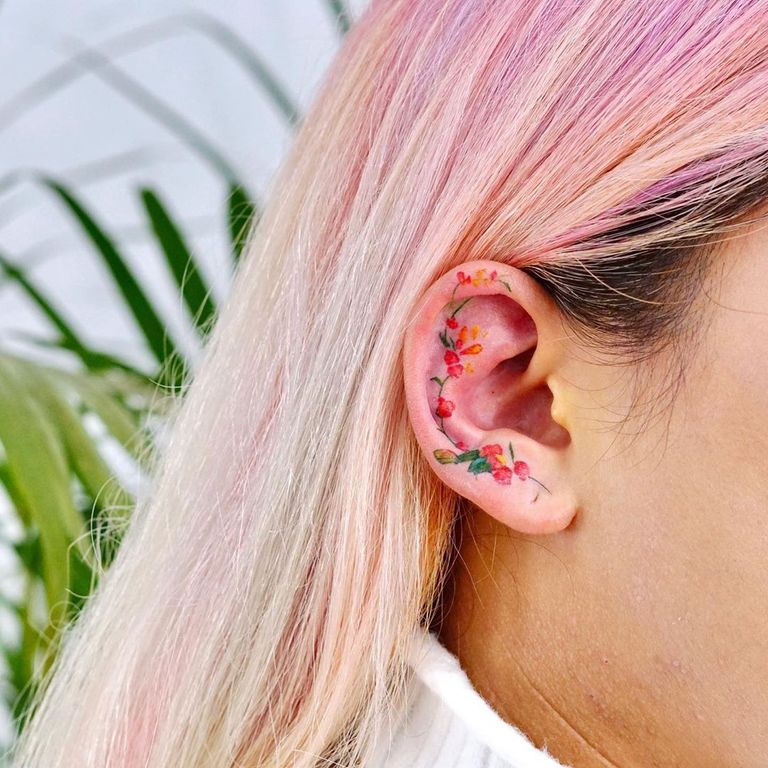
Gradients need room. A palm-sized piece or bigger gives the artist space to fade color out slowly. Shrink it to the size of a coin and it turns into a smudge sooner. Small accents hold up best with a fine black line.
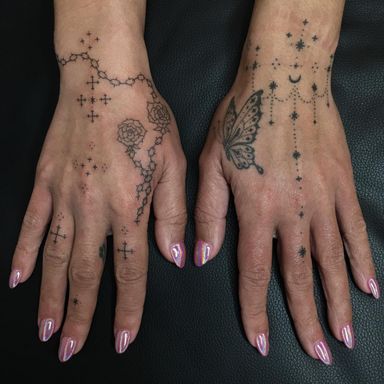
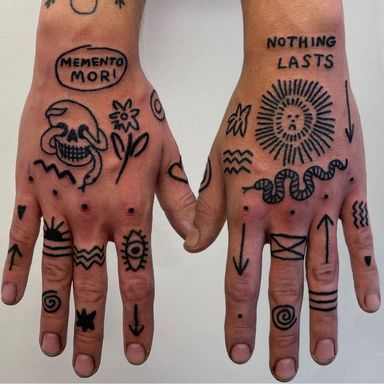
Soft color lasts longest on flat areas that don’t rub much: the upper arm, thigh, calf, back and ribs. Skip hands, fingers and feet, where friction wears pale washes away fastest.
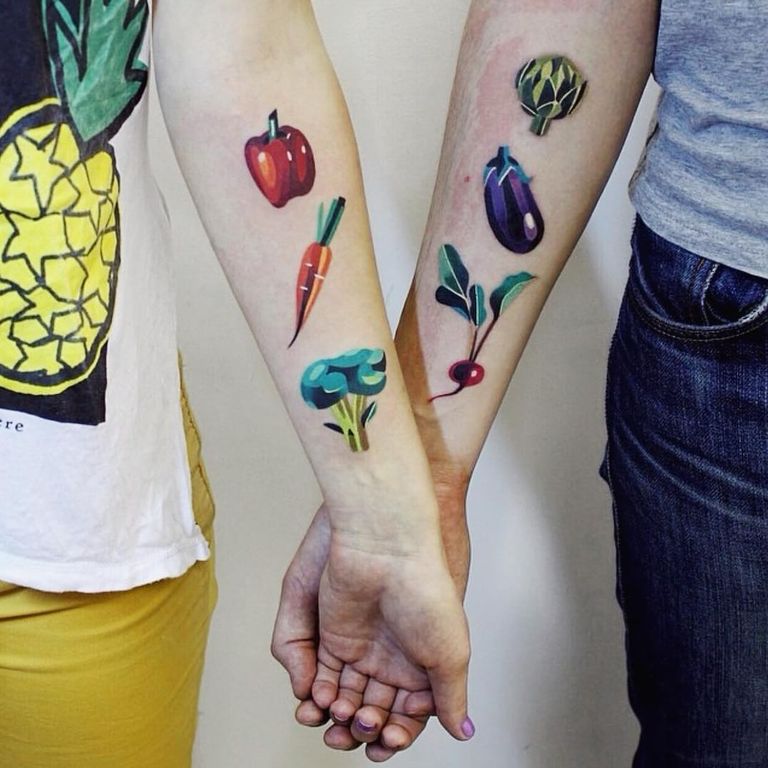
Skin tone matters too. Pastels show strongly on light skin and much less on darker skin. There, richer colors and a black structure give better contrast. Ask your artist which colors will show best on you.
How to choose a watercolor tattoo artist
Look for healed work. Fresh watercolor photographs beautifully, so day-one photos tell you little. Ask to see tattoos at least a year old, and check whether the pale areas are still visible.
Then ask how they’d build your design: where the black goes and how big they’d make it. If you want help putting your idea into words, read how to talk art with your tattoo artist.
Browse watercolor tattoo ideas and look for pieces with black linework under the color, then find an artist in the artist finder and ask how they’d build yours.