How Much Does a Tattoo Cost?
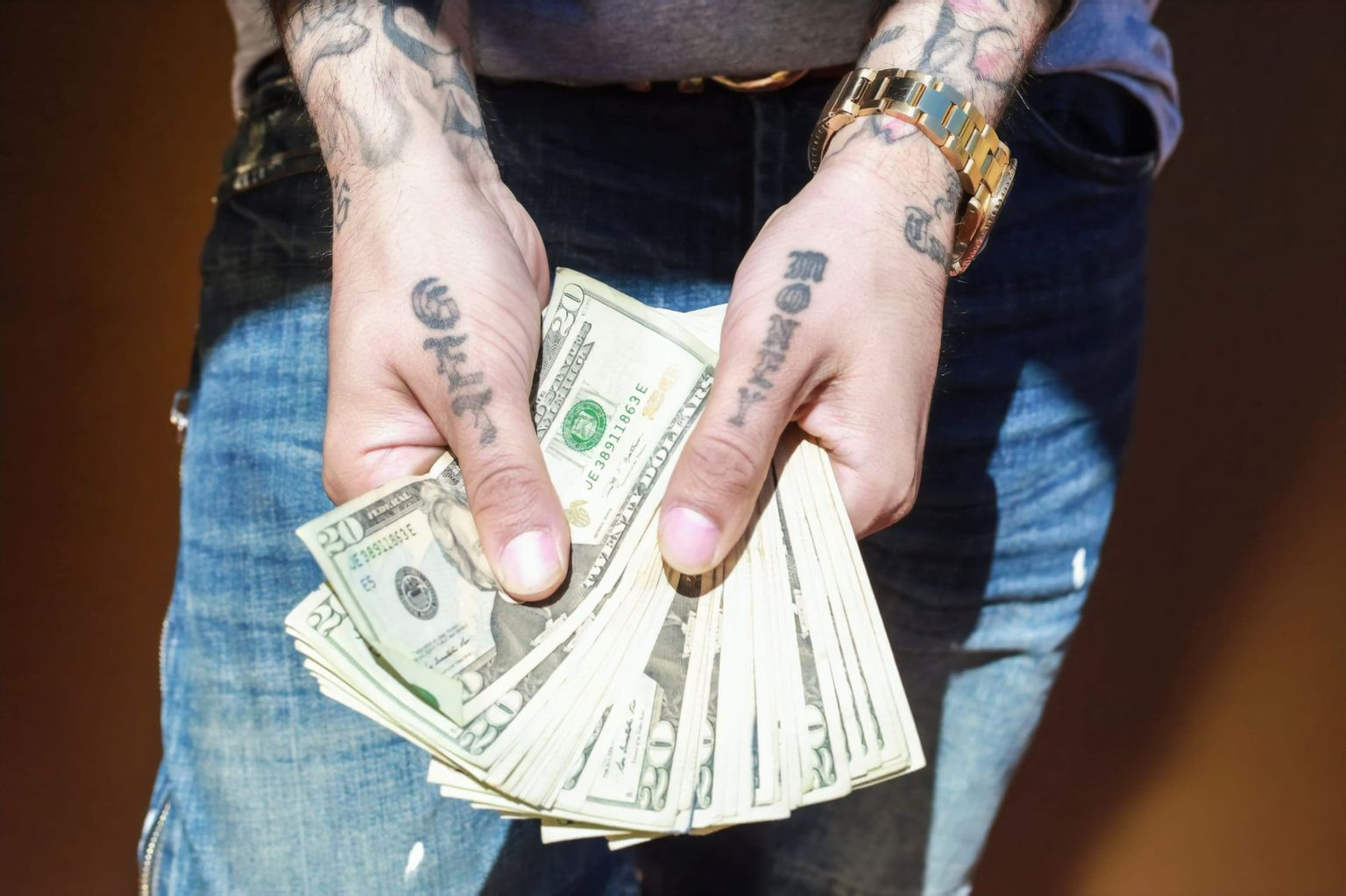
How artists charge for tattoos, from the shop minimum to session and day rates, and what moves a quote: size, detail, color, placement, the artist and the city.
There’s no standard answer to how much a tattoo costs, because every artist sets their own prices. What you pay comes down to how long the tattoo takes and whose time you’re paying for. The number that counts is the quote your artist gives you for your design.
Summary
- A tiny tattoo usually costs the shop minimum. Needles, ink and setup cost the same whatever the size.
- For bigger work, hours in the chair matter more than square inches.
- Many artists take a deposit to book custom work. Ask about the policy before you pay.
- Picking an artist on price can cost more later. A cover-up or laser removal can cost more than the tattoo did.
How tattoo artists set their prices
Artists price work in four main ways, and many use more than one. Ask which one applies to your tattoo.
Shop minimum
The minimum is the least a shop charges for any tattoo. It pays for single-use needles, ink, gloves and setup, which cost the same for a dot as for a dagger. So a tiny heart on your finger and a slightly bigger one on your wrist often cost the same. Ask what the minimum is where you’re booking.
Hourly rate
Many artists bill medium and large work by the hour. Ask how many hours they expect, and whether the clock includes stencil time and breaks.
Flat price per piece
Flash (designs the artist has already drawn) and many small custom pieces get one fixed price. You know the total before you sit down.
Session or day rate
For sleeves, back pieces and other big projects, many artists charge per session or per day. You know what each sitting costs before you book it.
How much does a tattoo cost by size?
Size is the biggest factor, because it sets how long the tattoo takes. Heavy color or realism takes longer than its size suggests. As a rough guide:
- Tiny, up to about 2 in (5 cm): usually the shop minimum.
- Palm-sized: usually one sitting, at a flat price or by the hour.
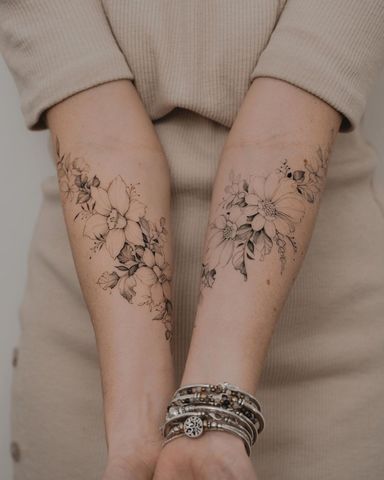
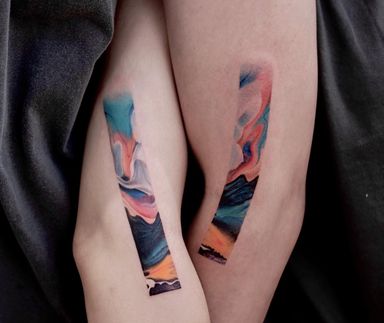
- Medium, like an outer forearm: often one long session, sometimes two.
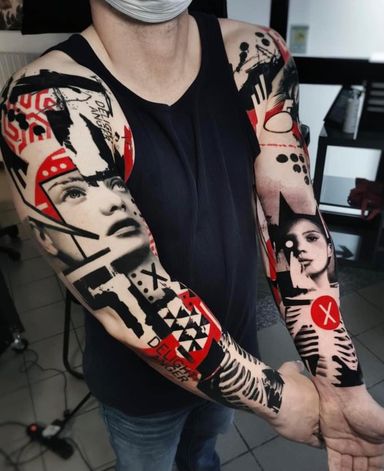
- Half sleeve: several sessions, often priced per session or by the day.
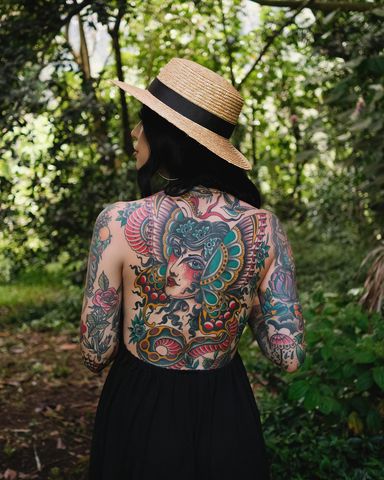
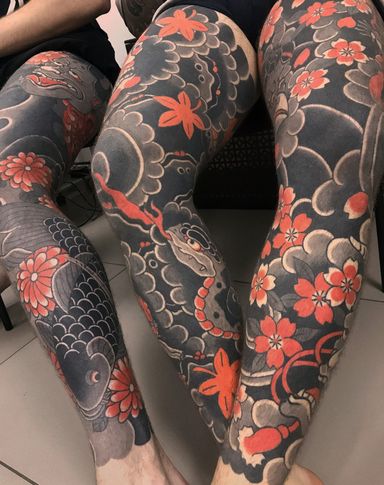
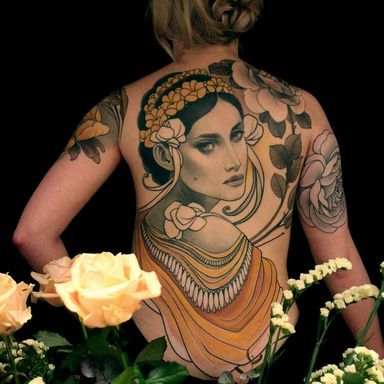
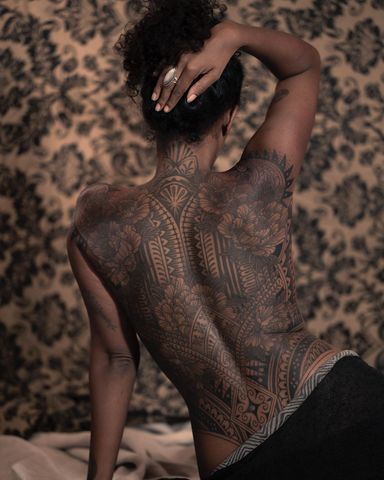
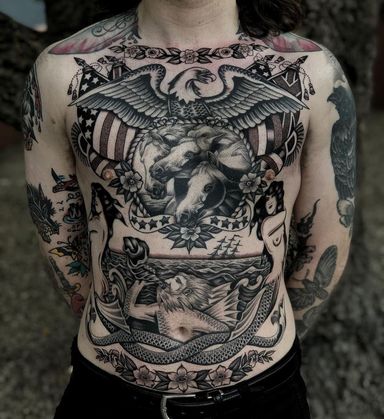
- Full sleeve or back piece: many sessions over months.
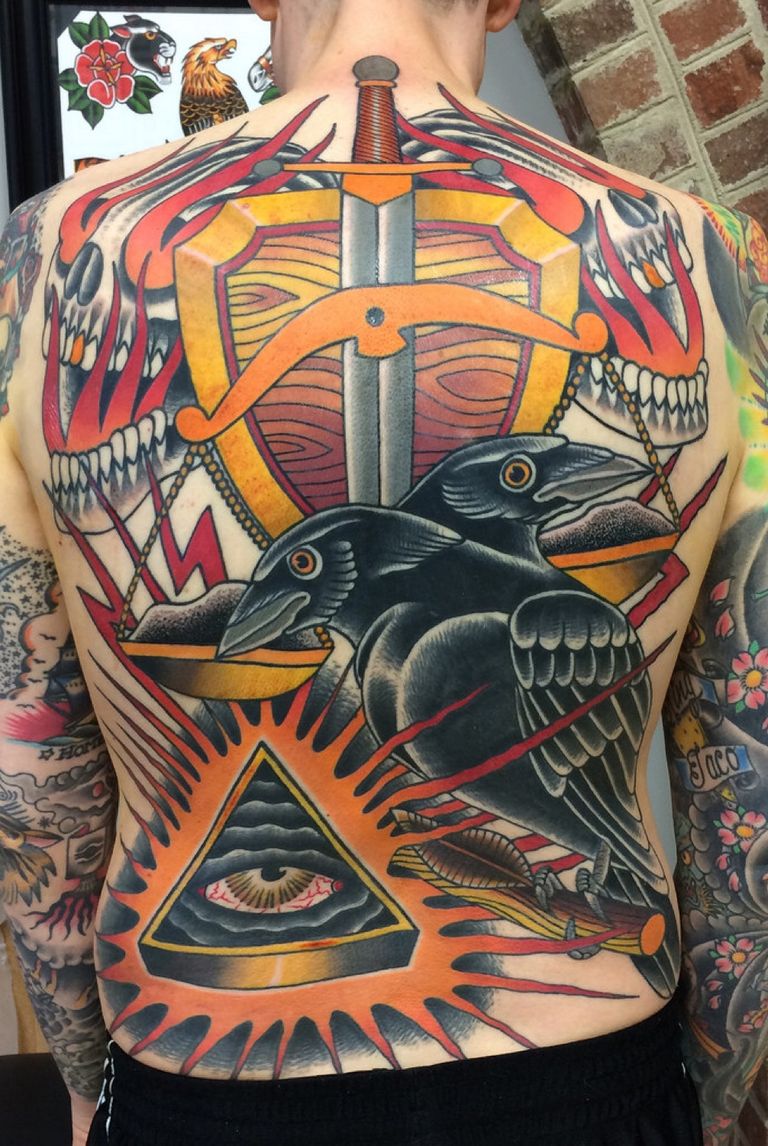
Sessions on big work are spaced a few weeks apart so each part can heal. That spreads the cost out too. Ask how many sessions your artist expects, and treat the answer as an estimate.
What makes one tattoo cost more than another
Two tattoos of the same size can get very different quotes. Five things explain most of the gap.
Detail and style
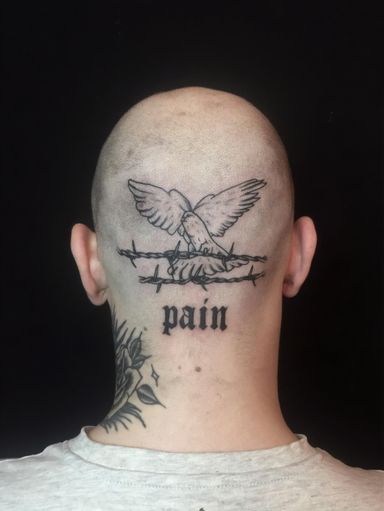
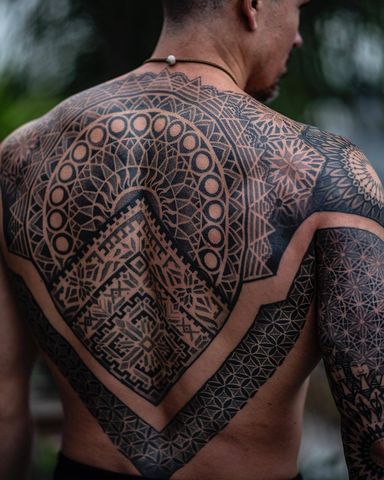
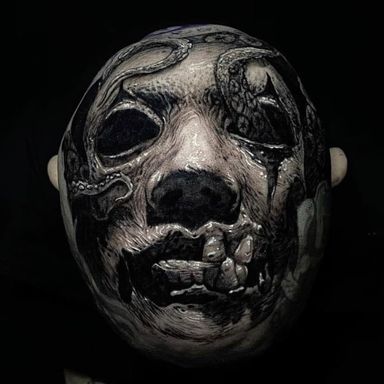
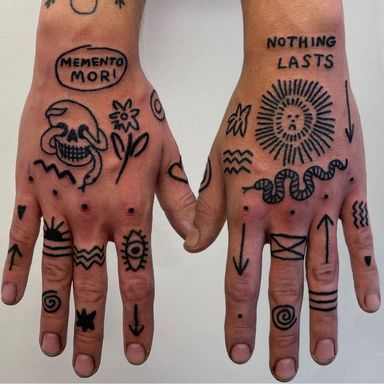
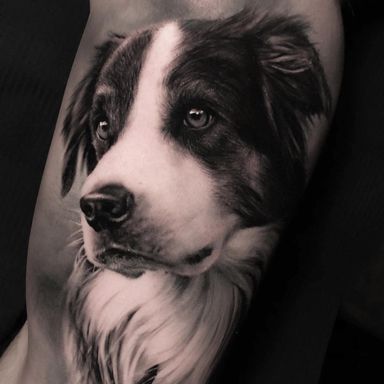
Fine line lettering, realistic portraits and dense patterns take far longer per square inch than a bold traditional design. Clean, open designs go faster.
Color
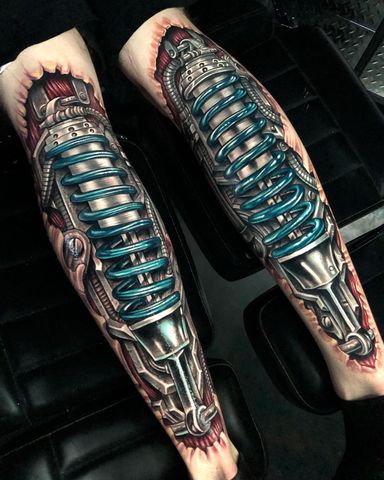
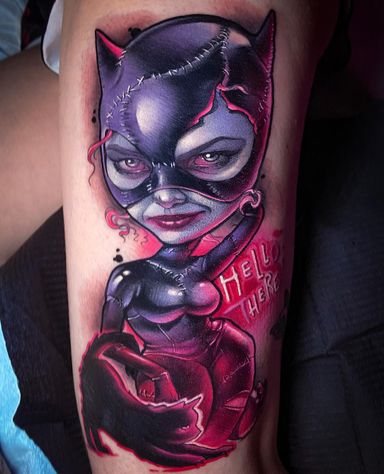
Packing solid color tends to take longer than black and grey shading. The same design usually costs more in full color.
Placement
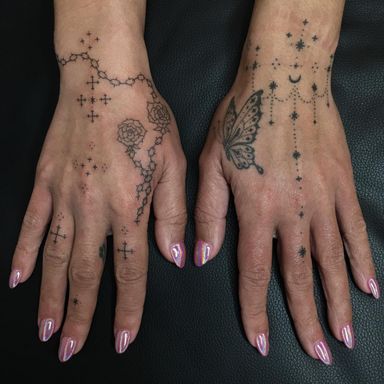
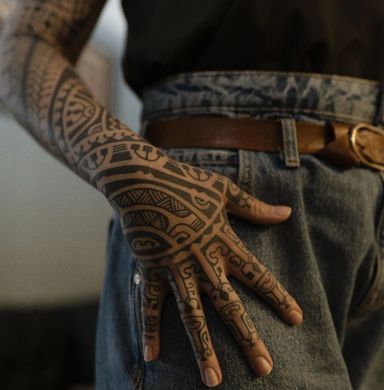
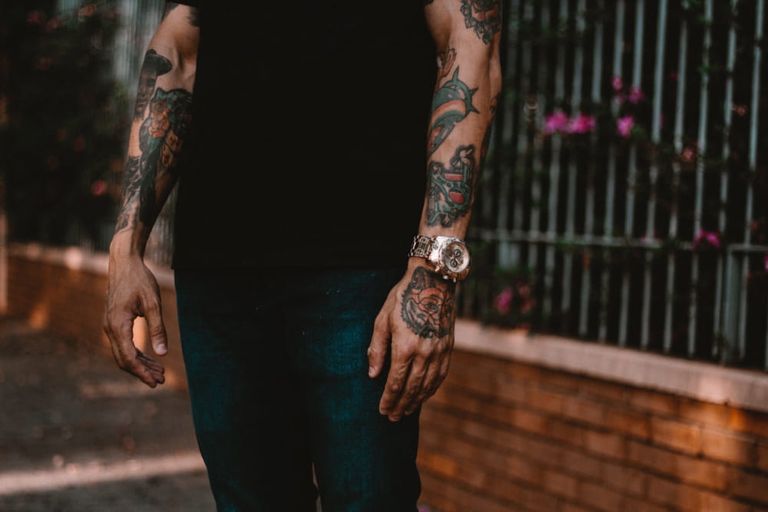
Ribs, hands, feet, necks and inner elbows are harder to tattoo. The skin there is thin, stretchy or always moving, so the artist works slower. Hand and finger tattoos also fade faster than most.
The artist
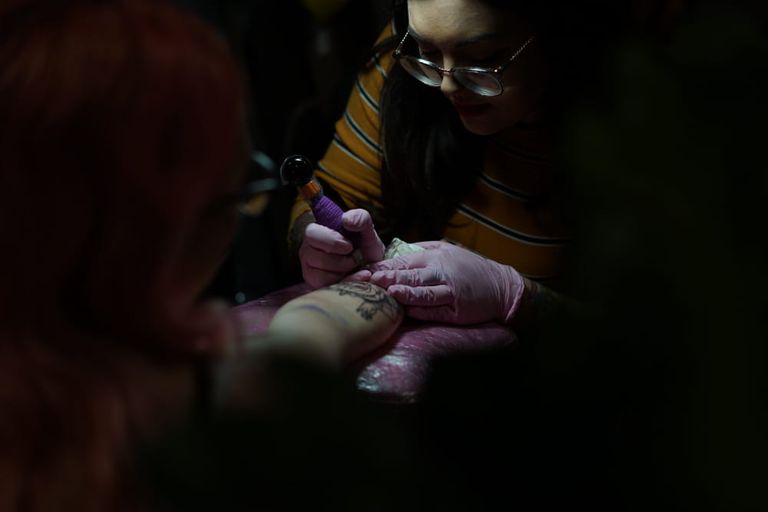
An artist with a months-long waitlist usually charges more than someone newer to the trade. You’re paying for experience and a reliable result. If you love one artist’s portfolio, their rate is the price of that work.
The city
Rent and local demand set the going rate. A studio in Manhattan or central London charges more than one in a small town, often for similar work. Some people save up and travel to the artist they want.
How tattoo deposits work
Many artists ask for a deposit to book custom work. It holds your date and often covers drawing time. The amount, whether it comes off the final price and what happens if you cancel all vary. Read the policy before you pay. Some artists also charge separately for drawing large custom designs, so ask. The first tattoo guide walks through booking step by step.
Tips, aftercare and touch-ups
Tipping depends on the country. In the US, tipping your tattoo artist is common, much like tipping a hairdresser. In the UK, most of Europe and Australia it usually isn’t expected, though it’s welcome.
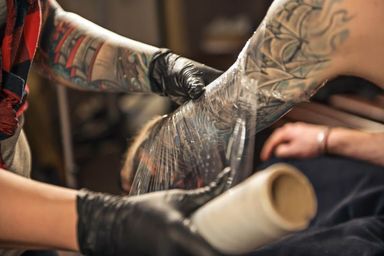
Aftercare costs little: a fragrance-free soap and lotion from the drugstore. The tattoo aftercare guide covers what to use and when. Ask whether touch-ups are included, and for how long.
Why a cheaper tattoo can cost you more
Choosing an artist by price instead of portfolio can turn a bargain into your most expensive tattoo. Fixing one that didn’t turn out means a cover-up or laser removal.
A cover-up usually has to be bigger and darker than the tattoo underneath, so it often takes more hours than the original. The cover-up tattoo guide explains what’s possible.
Laser removal takes many sessions spaced weeks apart, and clinics usually charge for each one. Even then, removal doesn’t always clear a tattoo completely. More in the tattoo removal guide.
Set your budget by the artist you want, not the other way around. Before you book, ask to see their tattoos from a year or more ago. Blurred lines and patchy fills are what end up as cover-ups. If the quote is more than you planned, ask whether a smaller or simpler version would work.
How to get an accurate quote
Shortlist artists whose portfolios show the style you want. Then contact your favorite the way they ask to be contacted, and include:
- The placement, with a photo of that part of your body.
- The size in inches or centimeters. Measure it, don’t guess.
- One to three reference images, and what you’d change about them.
- Color or black and grey.
- Your budget, so the artist can tell you what fits.
Ask whether the quote is a fixed price or an hourly estimate, and how many sessions they expect. Haggling over an artist’s rate rarely goes well. To bring a price down, change the size or the amount of detail. Talking through the design with your artist is where that happens.
For a real number, send that five-point brief to an artist whose portfolio fits and ask for a quote. If no one comes to mind, describe your design in the Tattoodo artist finder and we’ll point you to artists who work in that style.