Handpoke Tattoos: How Stick and Poke Works, Heals and Ages
How hand-poked tattoos look, heal and age, how a studio session differs from a DIY stick and poke, and the traditions that still tattoo without a machine.
Related galleries
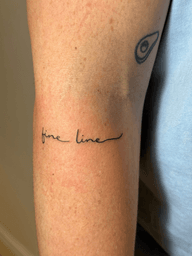
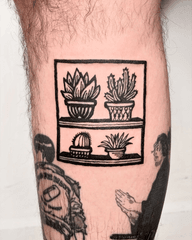
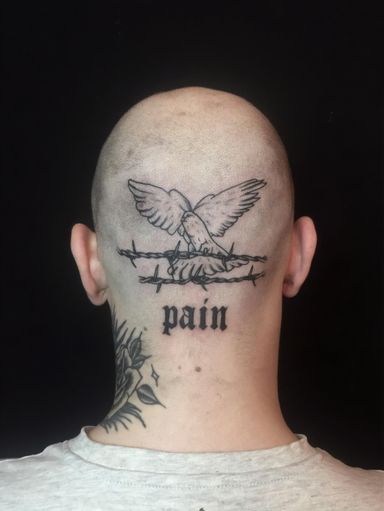
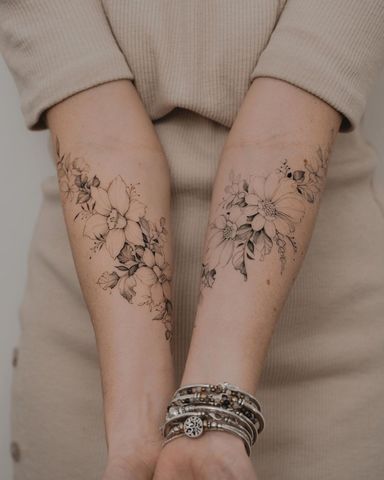
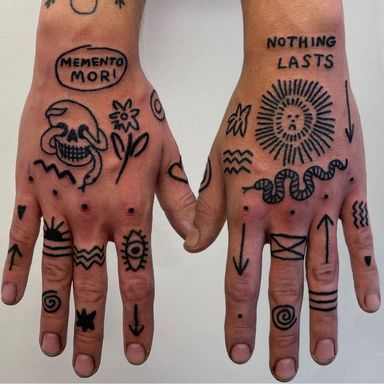
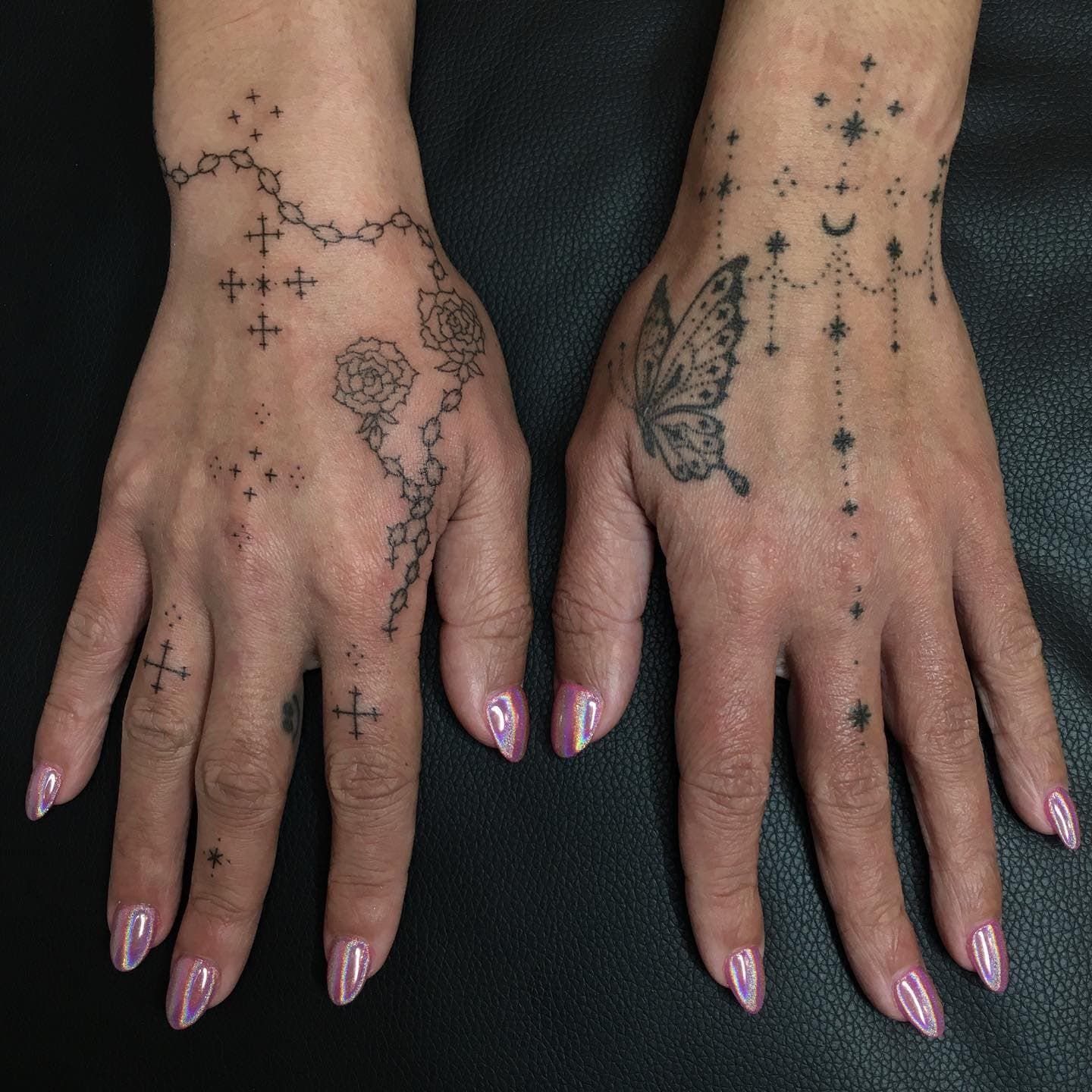
A handpoke tattoo, also called a stick and poke tattoo, is made without a machine. The artist pushes ink into the skin by hand with a needle, one dot at a time. Lines come out slightly soft and dotted, and shading is built from stipple. Most pieces are black: plants, small symbols, patterns and folk-style flash.
Summary
- A professional uses the same sterile, single-use needles and tattoo ink as a machine artist.
- DIY stick and pokes with sewing needles or pen ink risk infection and lines that fall out or blur.
- A handpoke session takes longer than a machine would for the same design.
- It heals like any other tattoo, with the same aftercare.
What a handpoke tattoo looks like
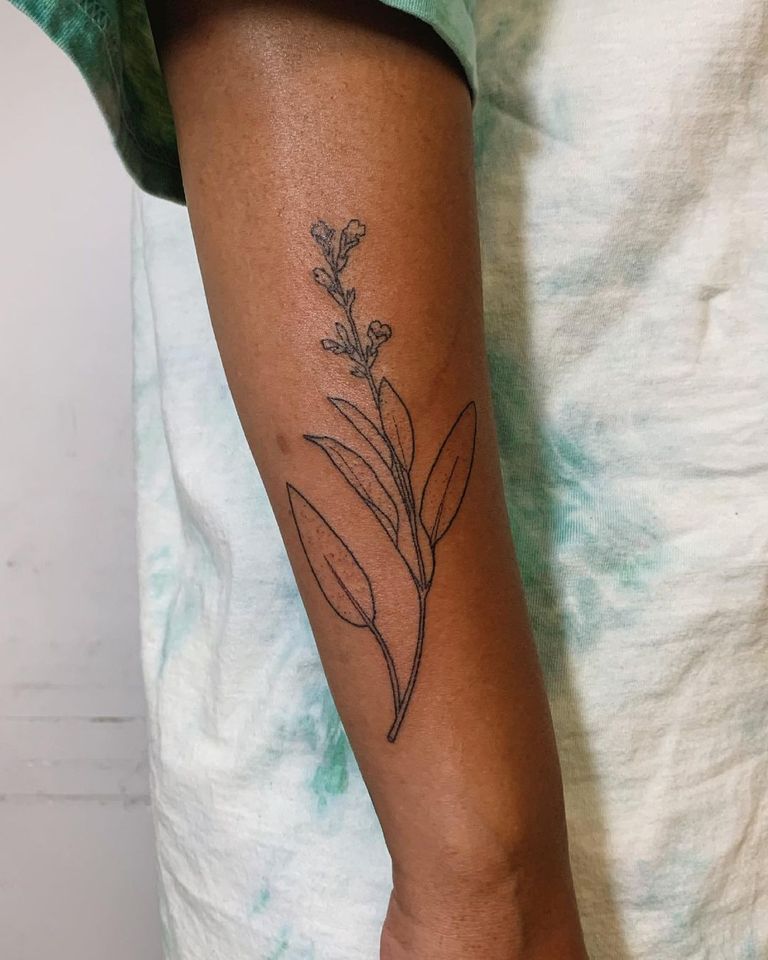
A machine drives the needle in and out dozens of times a second, so it pulls a continuous line. A handpoke artist places each puncture separately, so a line is a row of close dots. Up close you can often see that texture. It gives the work a softer, hand-drawn feel. Shading comes from spacing the dots: dense where it’s dark, sparse where it fades. That’s why handpoke overlaps so much with dotwork tattoos.
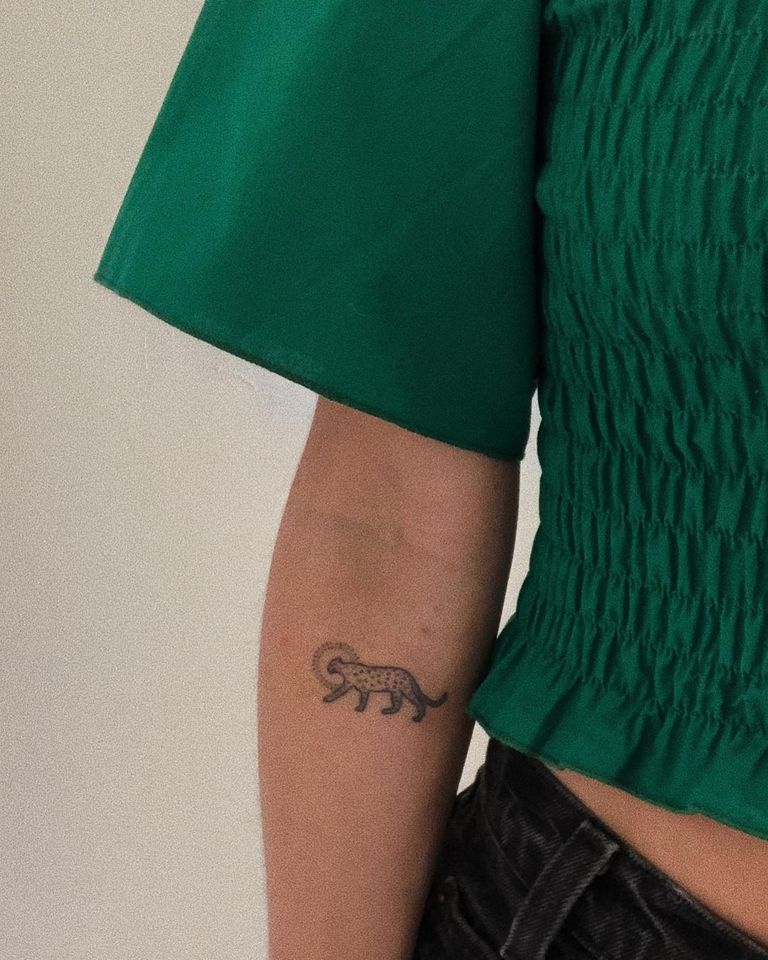
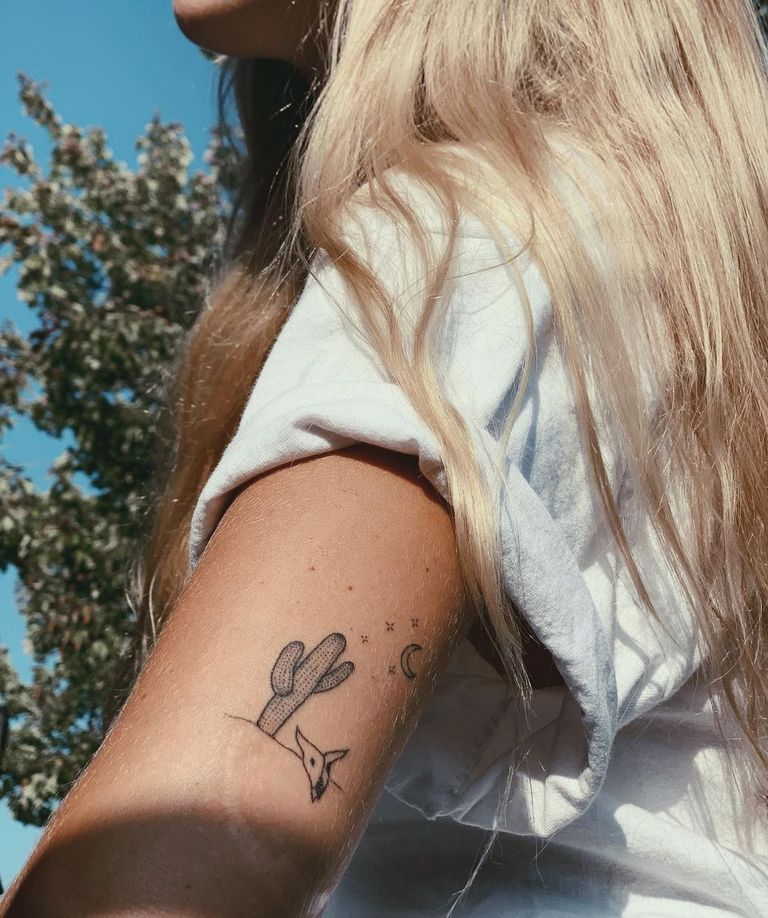
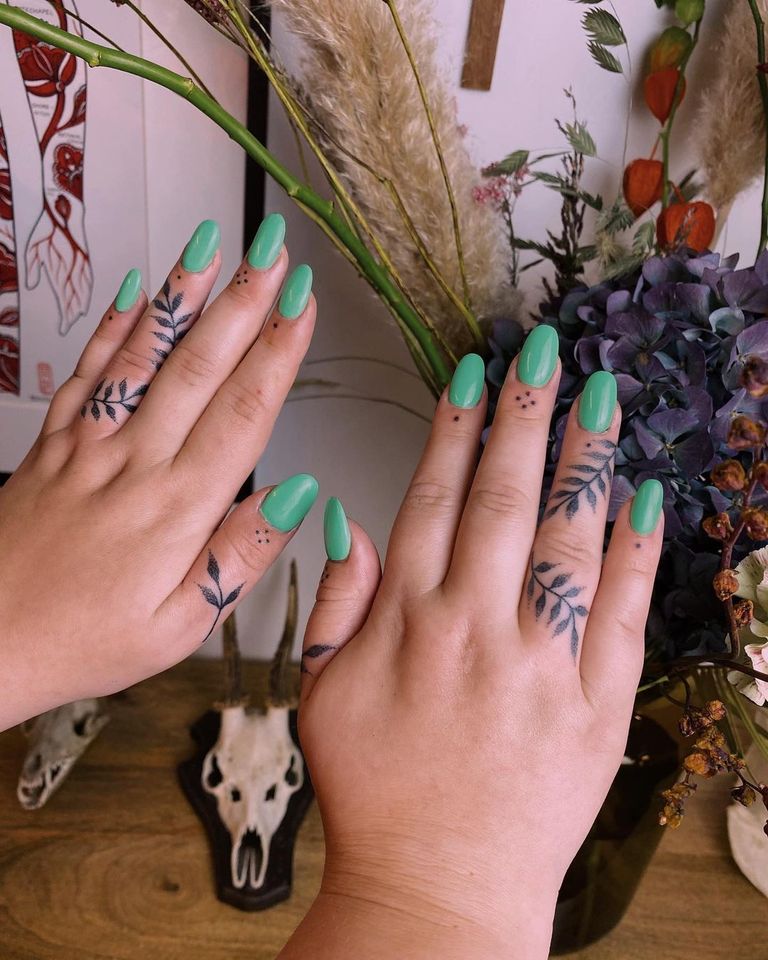
Designs that look good made of dots suit the method best: botanicals, small animals, stars and moons, lettering and ornamental patterns. Big areas of solid black are slow to fill by hand, so you’ll see fewer of them.
Professional handpoke vs DIY stick and poke
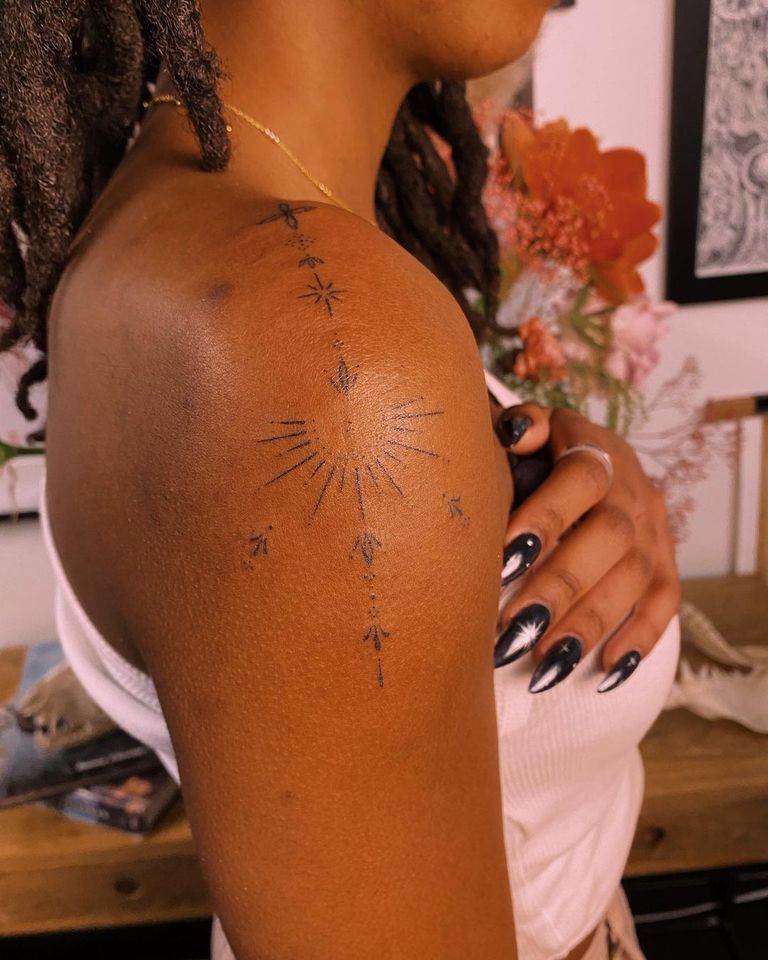
“Handpoke” and “stick and poke” are the same technique. “Stick and poke” often means the homemade version done at a kitchen table. “Handpoke” usually means a trained artist in a studio.
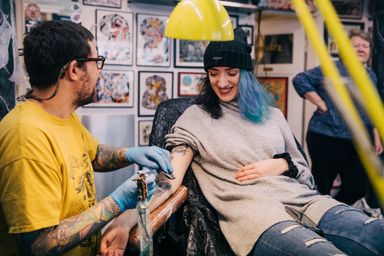
A professional works the way a machine artist does: single-use needles opened in front of you, gloves, tattoo ink and a licensed studio where required. They also know how deep to go, which is the hardest part to learn. DIY tattoos go wrong in predictable ways:
- Infection. Unsterile needles can cause skin infections. Needles shared between people can pass on hepatitis and HIV.
- Ink. Pen and craft inks aren’t made to go under the skin. The FDA warns that contaminated ink has caused infections even in clean conditions1.
- Depth. Too shallow and the ink comes out with the peeling skin, leaving broken lines. Too deep and it spreads into a blurry halo, called a blowout.
A patchy homemade tattoo can often be reworked or covered by a professional. A blowout may need a few laser sessions first. If any tattoo turns hot, more swollen or more painful after the first few days, oozes pus, or comes with a fever, see a doctor.
Where hand-poking comes from
Until the electric tattoo machine arrived in 1891, every tattoo was put in by hand. The oldest preserved ones belong to Ötzi the Iceman, who died in the Alps about 5,300 years ago. Hand-poked marks are the closest match to his.
Several living traditions still tattoo without a machine. Not all of them poke. These are what people usually mean by “traditional” or “Japanese” stick and poke.
Japanese tebori
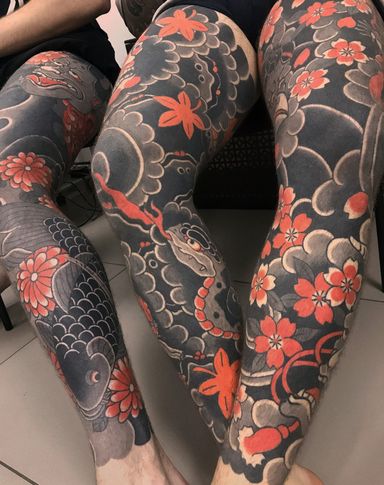
Tebori means “hand carving.” The tool is a handle with a bundle of needles tied to the end, pushed into the skin by hand. It belongs to the large-scale Japanese irezumi tradition. Some tebori artists today line with a machine and shade by hand.
Thai sak yant
Sak yant, or yantra tattooing, is practiced in Thailand, Cambodia, Laos and parts of Myanmar. The designs mix geometric diagrams, animals and sacred script, and wearers believe they bring protection or luck. The design is pushed in by hand with a long, pointed rod.
Polynesian tapping
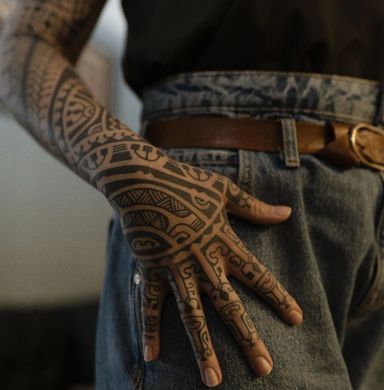
In Samoa, the master tattooist taps bone combs into the skin with a stick mallet. That’s how the pe’a, the men’s tattoo from waist to knee, is still made. For the differences between Pacific traditions, see the tribal tattoo guide.
How stick and poke became a modern style
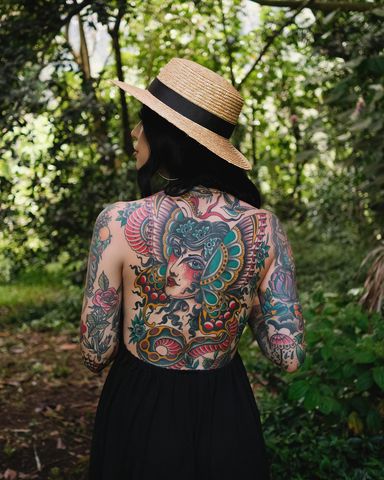
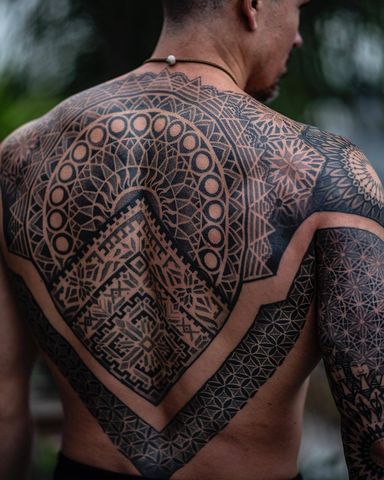
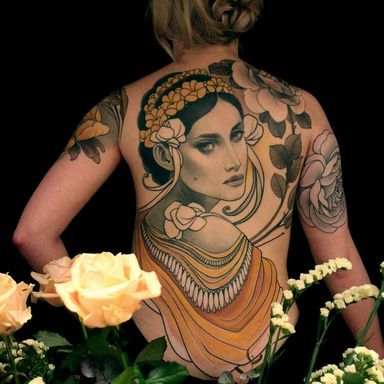
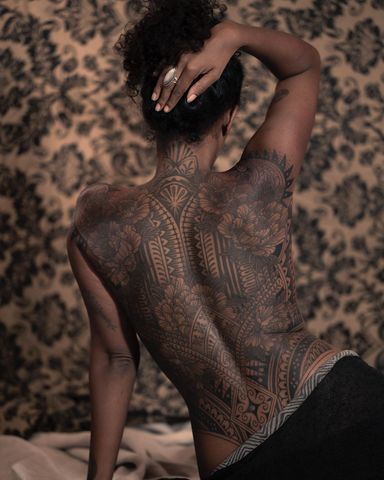
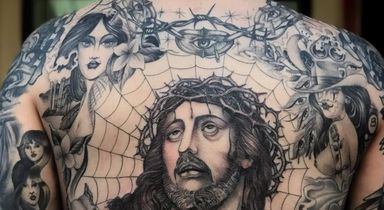
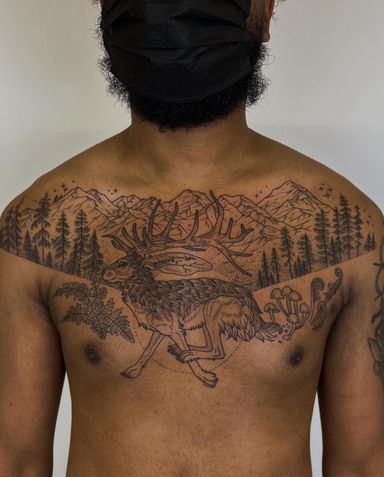
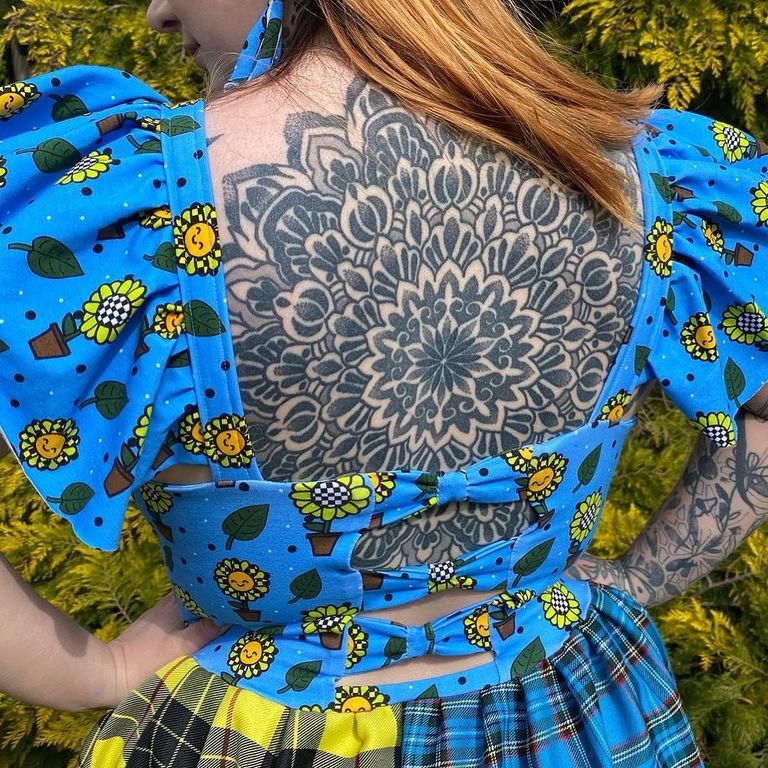
In the West, the modern stick and poke comes from places with no machine: prisons, and later punk and skate scenes, where friends poked band logos into each other. That’s why the look still reads as raw and personal. Handpoke has since become a professional specialty. Many artists now work only by hand, and some take on large pieces like the back piece below.
How long it takes and how much it hurts
Handpoke is usually slower than a machine, since every dot is a separate movement. Speed varies between artists, so ask for a time estimate when you book.
It still hurts, just differently. People often describe it as a steady pricking rather than a buzz. Some find it gentler, though it lasts longer. Pain depends far more on placement and on you than on the method.
How handpoke tattoos heal and age
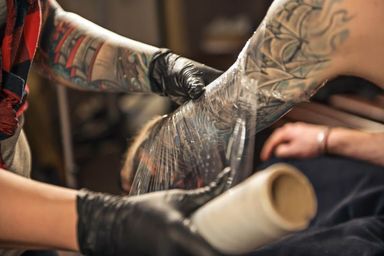
The ink ends up in the same skin layer as a machine tattoo, so healing works the same way. The surface usually settles in about 2 to 4 weeks. You’ll hear that handpoke heals faster. Nobody has measured that, so follow your artist’s aftercare.
Done at the right depth, a handpoke tattoo is as permanent as a machine tattoo. Dots packed close together can merge into a grey blur over time, so give a design enough size for its detail. Forearms, upper arms, calves and shoulders hold handpoke well.
Choosing a handpoke artist
Look for an artist who works by hand as their main practice, not as an occasional extra. When you get in touch, ask:
- Can I see healed work? Dots poked too shallow come out patchy.
- Are the needles single-use, and which ink do you use?
- How long will my design take, and do you offer a touch-up?
Not every studio offers handpoke, so when you describe your design in the artist finder, say that you want it poked by hand.
Cover image: Tati Compton