How to Tell a Tattoo Artist What You Want
What to put in your first message to a tattoo artist, which references help, what to ask at a consultation, and how to ask for changes and redraws.
The clearest way to tell a tattoo artist what you want is a short written brief. Say what the tattoo shows, where it goes, roughly how big it is, color or black and grey, your budget and when you’re free. Add two to five reference images with a note on what you like in each. Then let the artist design it. A brief like that gets you a more accurate quote and a better first drawing.
Summary
- Know your placement, size and color before you message, and say where you’re flexible.
- Choose an artist whose portfolio already looks like the tattoo you want.
- Don’t ask an artist to copy another tattooer’s custom piece.
Decide the basics before you contact an artist
An artist can’t quote or schedule anything until they know these. Work them out first, even roughly.
- “Outer left forearm” tells the artist more than “arm.” Placement decides how the design has to flow.
- Give the size in inches or centimeters, or compare it to something, like your palm.
- Say color or black and grey. If you don’t know, ask what they’d recommend.
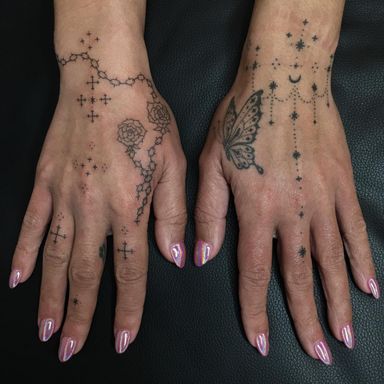
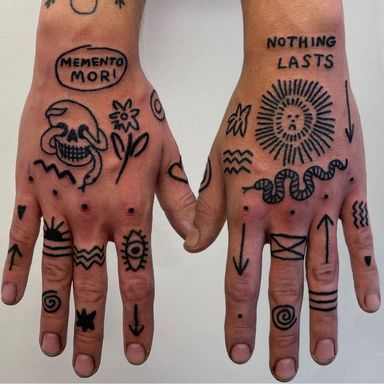
- Name the style if you can, or point to pieces in their portfolio.
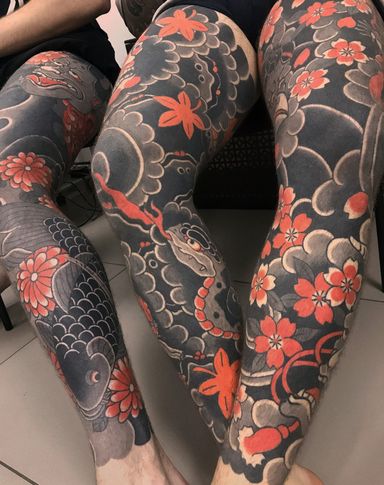
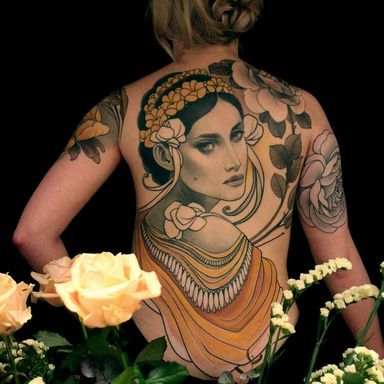
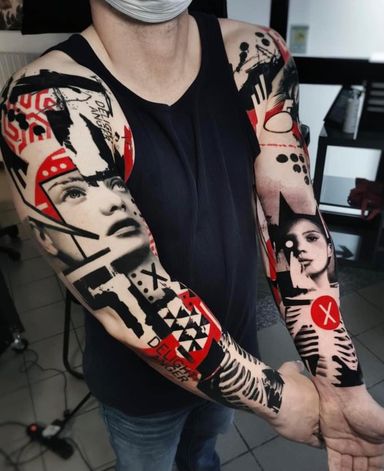
Being flexible is fine, as long as you say where. “Somewhere on my upper arm, 4 to 6 inches” is a useful answer. For a sleeve or back piece, mention the scale in your first message, since big projects usually start with a consultation. If you’re still gathering ideas, browse sleeve tattoo ideas.
Pick an artist whose work already looks right
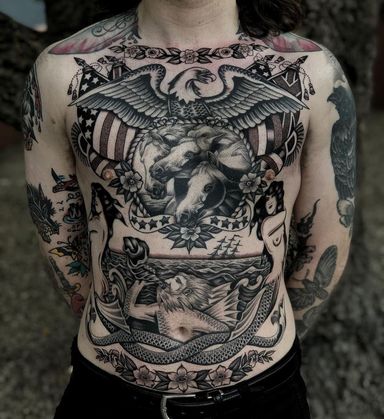
Much of a good result is decided before you send a message. An artist whose portfolio is full of the style you want already thinks in that style. Ask a traditional tattooer for a new school piece, and some will send you to someone else.
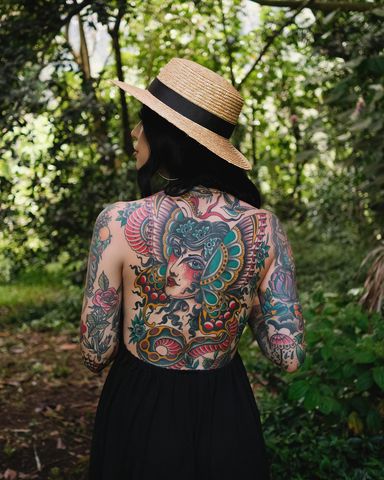
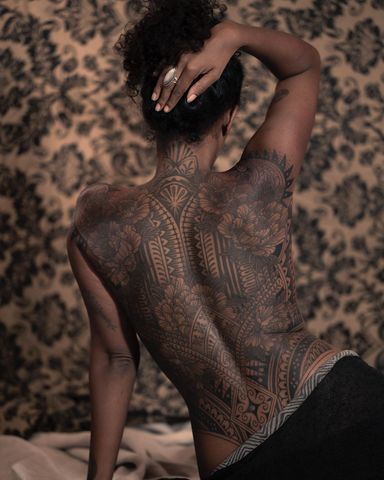
Once you’ve chosen, trust their judgment. They know which lines will blur over the years, and how a design has to bend around a shoulder or run along a spine. New to this? The first tattoo guide covers finding a studio.
How to message a tattoo artist
Check how the artist takes bookings before you write. Many say so in their Instagram bio or on their website. Use the channel they ask for. A DM to an artist who books by email can sit unread for weeks.
Put everything in one message. One complete brief gets a faster answer than a string of “hey, are you free?” messages. A brief can be this short:
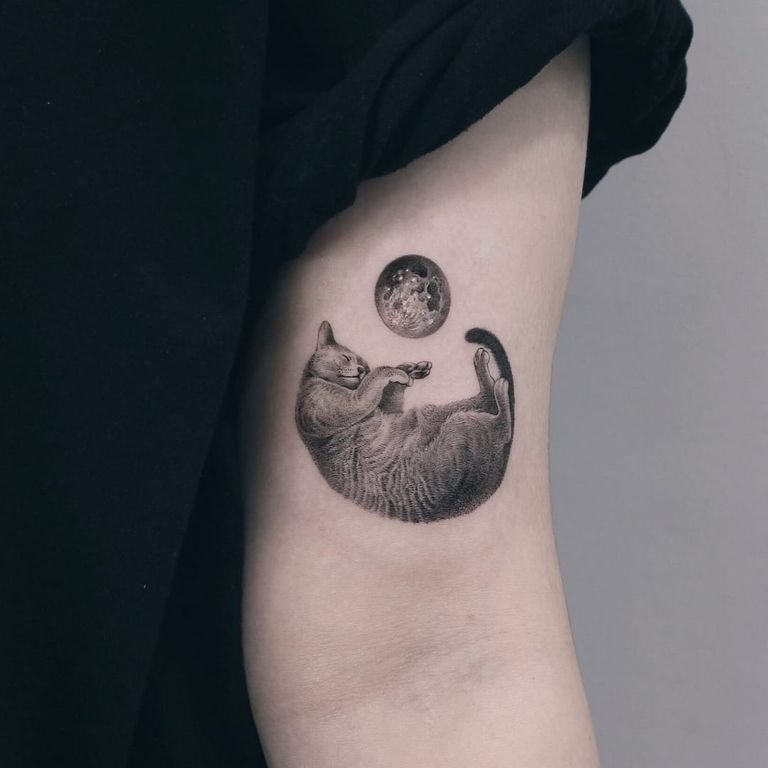
- Idea: my gray cat asleep on her back, with a small full moon above her.
- Placement and size: inner upper arm, about 4 inches tall.
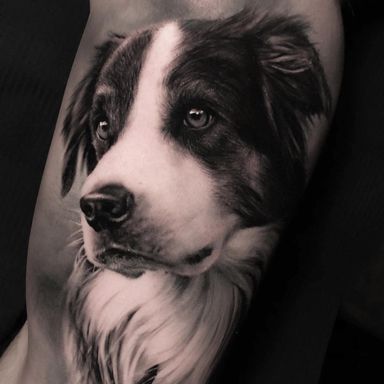
- Style: black and grey realism with soft shading, like the animals on your page.
- References: three photos of my cat in that pose, and two of your healed pieces.
- Budget and dates: around [your budget]. Weekdays in March work.
- Other: it’s my second tattoo, and there’s nothing else on that arm.
That’s enough for most artists to say whether they’ll take it on and roughly what it will cost. Skip the backstory unless it changes the design.
How to show a tattoo artist what you want
References show what words can’t. Send photos of the subject, like your own pet, plus tattoos in the style you want. For each one, say what you like about it: “the shading here” or “this pose.” Without a note, the artist has to guess.
Keep it to two to five images. A board with 40 pins tells the artist you haven’t decided yet. For anything personal, your own photos are the best reference.
Don’t ask an artist to copy another tattoo
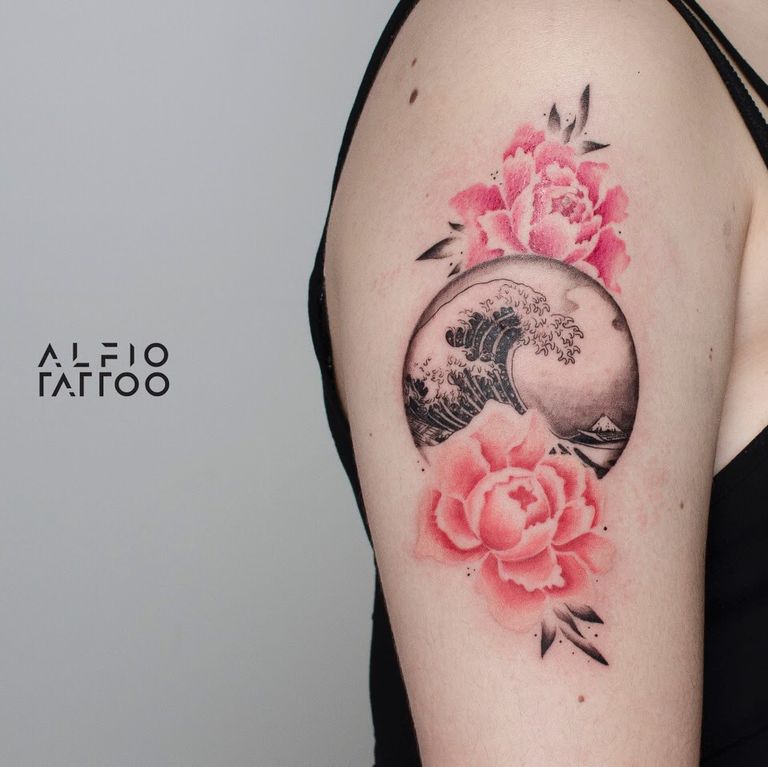
Many tattooers won’t copy another artist’s custom piece line for line. It’s fine to send one as a reference. Say what draws you to it and ask for their own version.
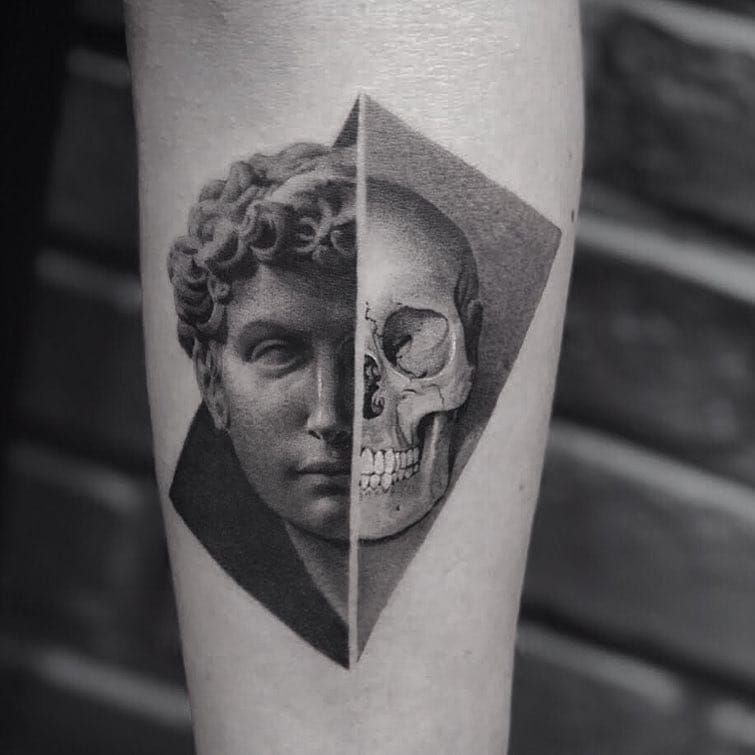
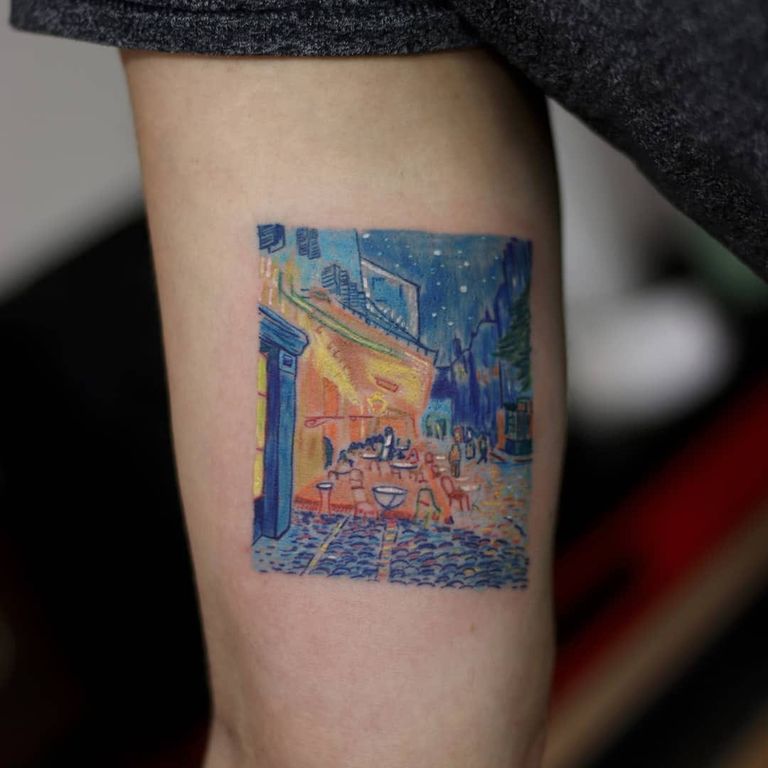
Portraits from your own photos, film stills and famous paintings are different. Realism artists reproduce them regularly. Send the sharpest image you have. The realism tattoo guide explains how the style works.
Questions to ask at a consultation
A consultation is a short meeting, in person or by video, to agree on the design, size and placement. Artists often ask for one on large work and cover-ups. Bring your references, wear clothes that show the spot, and ask:
- How many sessions will this take, and is it a flat price or hourly?
- How does your deposit work, and is it refundable?
- When will I see the design?
- How do you handle changes, and is there a fee for a redraw?
- Will this much detail still read at this size as it ages?
Expect questions back about your skin, health and medication. For the day itself, read how to prepare for a tattoo appointment.
How to ask for changes to the design
If the drawing isn’t right, ask for changes. Be specific: “could the lettering be thinner?” or “I’d like the moon smaller and higher.” “I don’t love it” gives the artist nothing to work with.
If the artist changed something from your brief, ask why before you push back. Skin isn’t paper. Lines spread a little as a tattoo ages, so many changes are there to keep it readable. If the whole direction is wrong, say so plainly, and before the appointment.
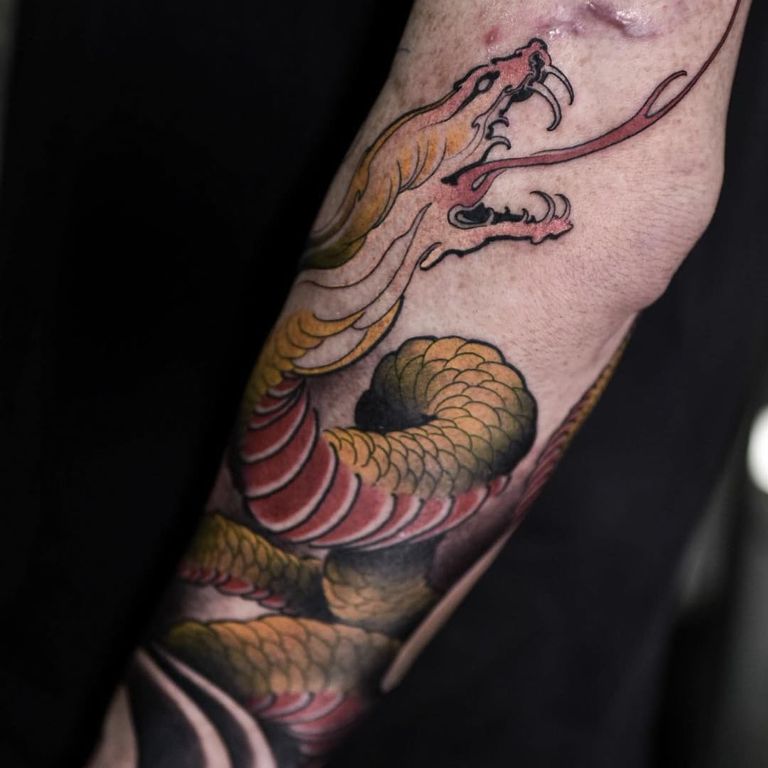
Collect your changes into one round
Send all your edits together rather than one at a time. Every round is more drawing time. If you keep finding things to change, you may not be sure about the tattoo yet. Waiting is fine. Postponing costs far less than covering up a tattoo you rushed.
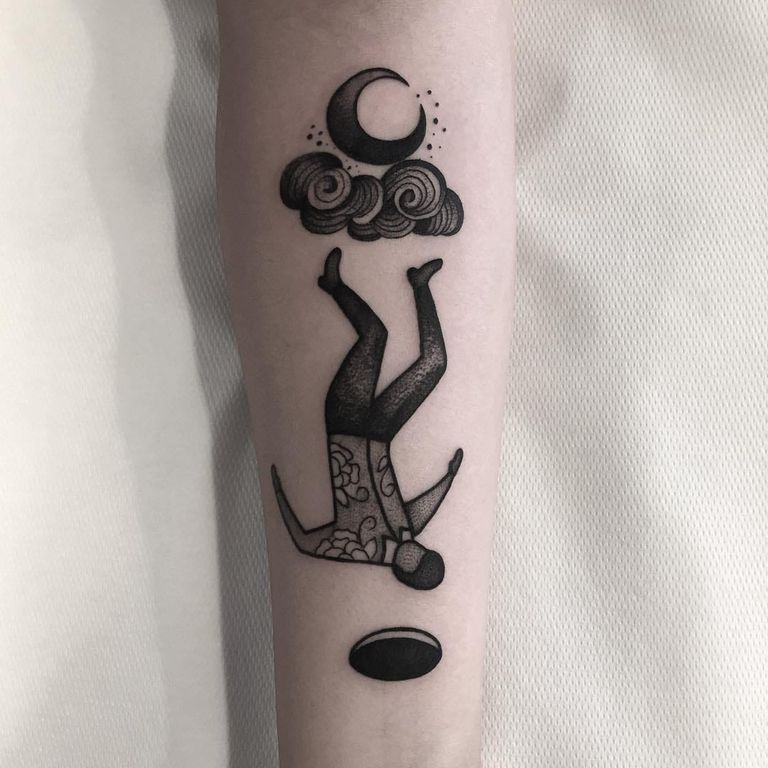
Redraws, deposits and drawing time
Drawing a custom tattoo takes hours, which is why many artists ask for a deposit before they start. Some also charge for a redraw or a switch to a new idea. Each artist sets their own policy, so read it before you pay. The tattoo cost guide covers pricing and tipping.
If you don’t have an artist yet, describe your idea in the Tattoodo artist finder and we’ll suggest some. Pick one whose work you’d want on your own skin, then send them your brief.