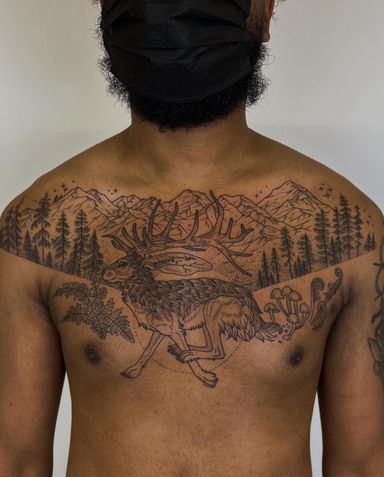
Tattoo Aftercare: How to Care for a New Tattoo

How to wash, moisturize and protect a new tattoo from the moment the wrap comes off, what to avoid while it heals, and how to tell normal healing from infection.
To care for a new tattoo, keep it clean, keep it lightly moisturized and otherwise leave it alone. Wash it twice a day with lukewarm water and a mild, fragrance-free soap. Pat it dry and smooth on a thin layer of unscented lotion or the ointment your artist gave you. Stay out of pools, baths and direct sun, and let scabs fall off on their own. The surface usually heals in two to four weeks.
Summary
- Leave the wrap on as long as your artist says: a few hours for plastic wrap, several days for a clear adhesive film.
- A thin layer of moisturizer is enough. A thick coat only keeps the skin soggy.
- No swimming, baths or sunscreen on the tattoo until it has stopped peeling.
- See a doctor for spreading redness, pain that gets worse, pus or a fever.
How to wash a new tattoo
The first wash happens when the wrap comes off. After that, wash the tattoo twice a day for the first couple of weeks:
- Wash your hands first.
- Wet the tattoo with lukewarm water. Hot water stings.
- Lather a mild, fragrance-free soap in your hands and wash with your fingertips. No washcloths or scrubbing.
- Rinse until the soap and any slippery fluid are gone.
- Pat it dry with a clean paper towel, then let it air-dry for a few minutes.
- Apply a thin layer of moisturizer.
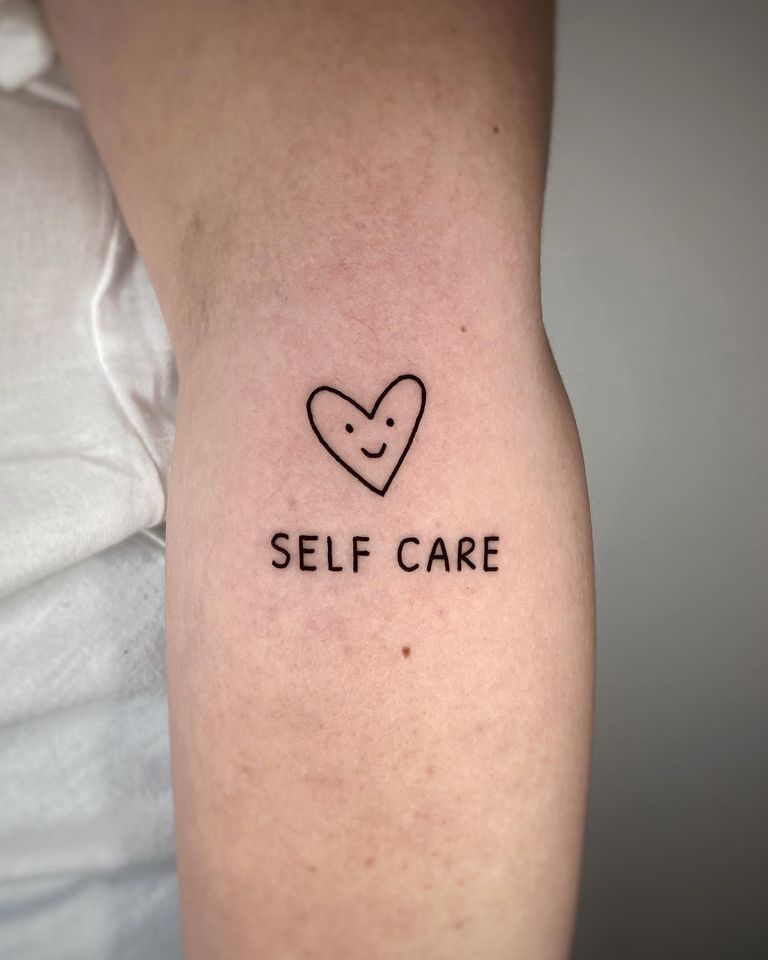
Tattoo aftercare day by day
Healing follows roughly the same order for everyone, though a large or densely shaded piece moves slower. Our guide on how long a tattoo takes to heal shows what it looks like along the way.
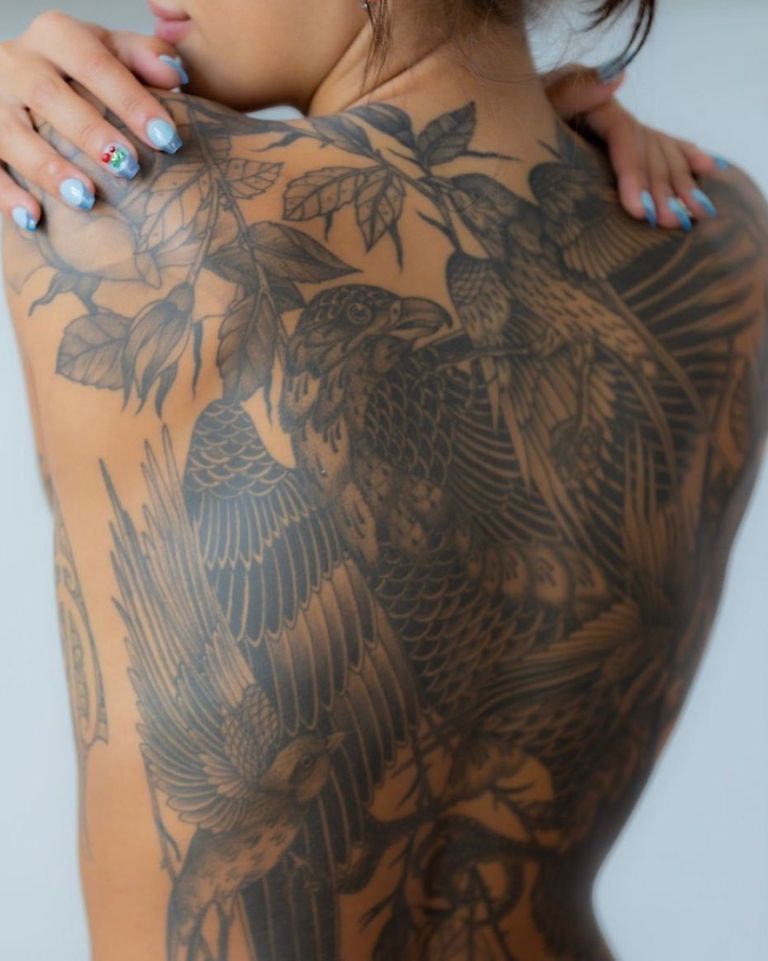
The first few hours: taking off the wrap
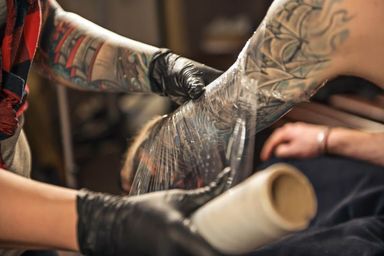
Plastic wrap or a bandage usually comes off after a few hours. A clear adhesive film can stay on for several days, often with one change after the first day. Fluid pooling under it is normal. To take off any wrap, wet it in the shower until it loosens and peel it back slowly.
Days 1 to 3: soreness and oozing
Expect the tattoo to feel sore and warm, like a sunburn, and to weep clear or ink-tinted fluid. Left on the skin, that fluid dries into thick scabs, so keep washing twice a day. Wear loose clothes over it. Skip the gym, or at least anything that soaks it in sweat.
Days 4 to 14: itching, flaking and scabs
The soreness fades and the itch starts. Thin flakes and light scabs form, often in the color of the ink. Don’t scratch, pick or peel them. A light tap with your fingertips or a little moisturizer calms the itch.
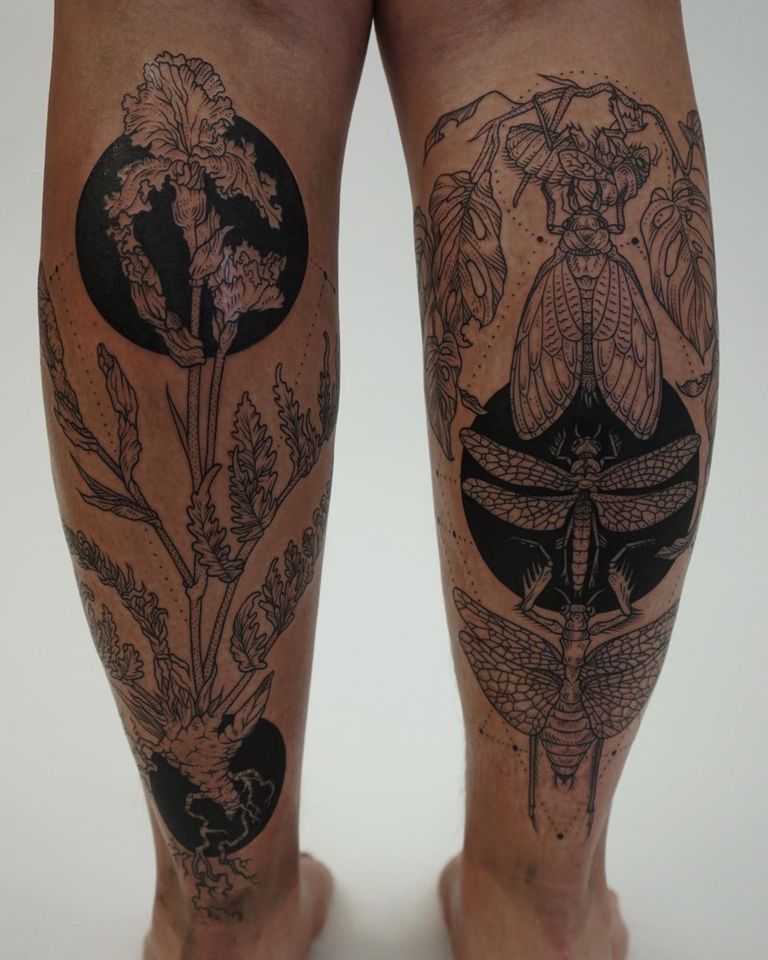
Weeks 3 and 4: cloudy and shiny
Once the flaking stops, the tattoo can look dull or milky. That’s new skin settling, and it clears over the following weeks. You can drop to one wash a day. When there are no scabs, flakes or tender spots left, the surface has healed. Now you can swim and use sunscreen. If a spot still looks patchy after a few months, ask your artist about a touch-up.
After the first month: long-term care
Sun is what fades a healed tattoo most. Use a broad-spectrum, water-resistant sunscreen with SPF 30 or higher1, reapplied every two hours outdoors. Our guide on protecting a tattoo from the sun covers the rest. If a healed tattoo starts to itch, swell or change, even years later, see a dermatologist.
What to put on a new tattoo
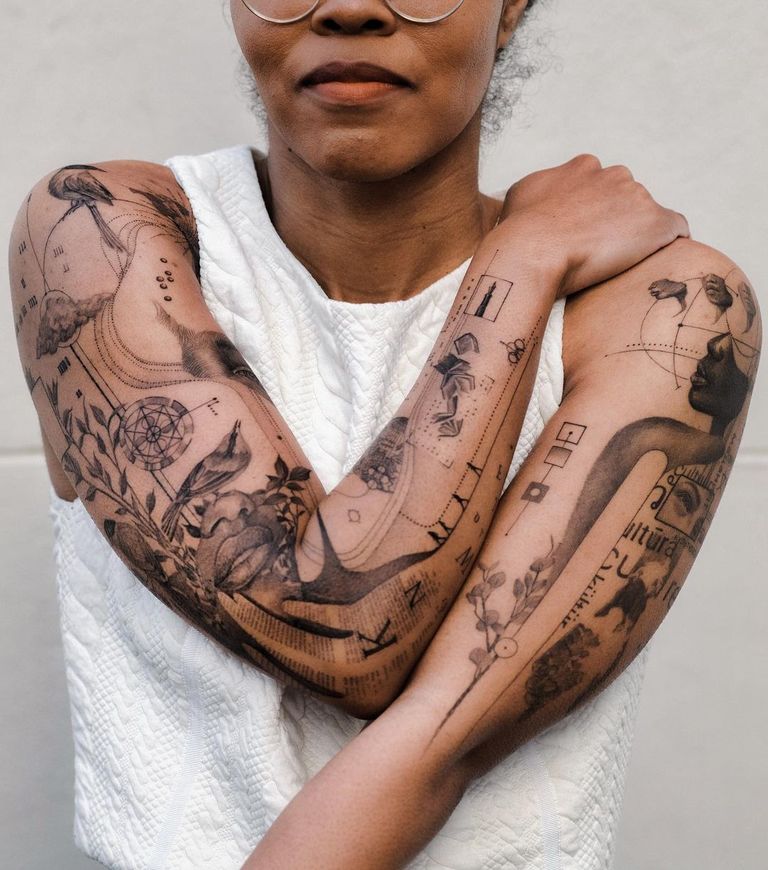
The best product is the one your artist recommends, applied thinly. Many artists hand out a healing ointment for the first two or three days. Rub in a small amount until the tattoo has a faint sheen, not a greasy coat.
Once it starts to flake, a plain, fragrance-free lotion is enough. Put on a thin layer two or three times a day. Some artists skip ointment and use lotion from the start. Either works if the layer stays thin.
Leave out plain petroleum jelly. It can block pores2, and petroleum-based products can fade ink. Skip anything scented, including many cocoa butter lotions, because fragrance irritates broken skin. Skip coconut oil on a fresh tattoo too. There’s no good evidence that it helps.
What to avoid while your tattoo heals
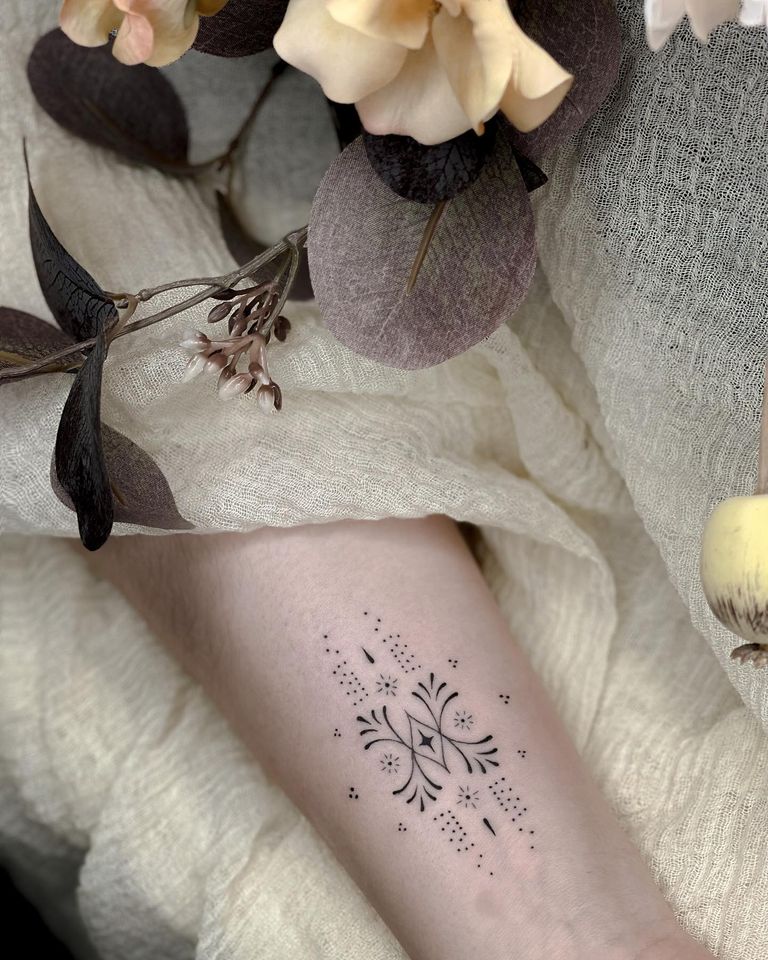
Until the tattoo has stopped peeling, keep it away from the following.
Sun and sunscreen
A healing tattoo burns easily, and UV fades ink. Cover it with loose clothing or stay in the shade. Sunscreen isn’t made for broken skin, so wait until the tattoo has healed.
Pools, baths and the sea
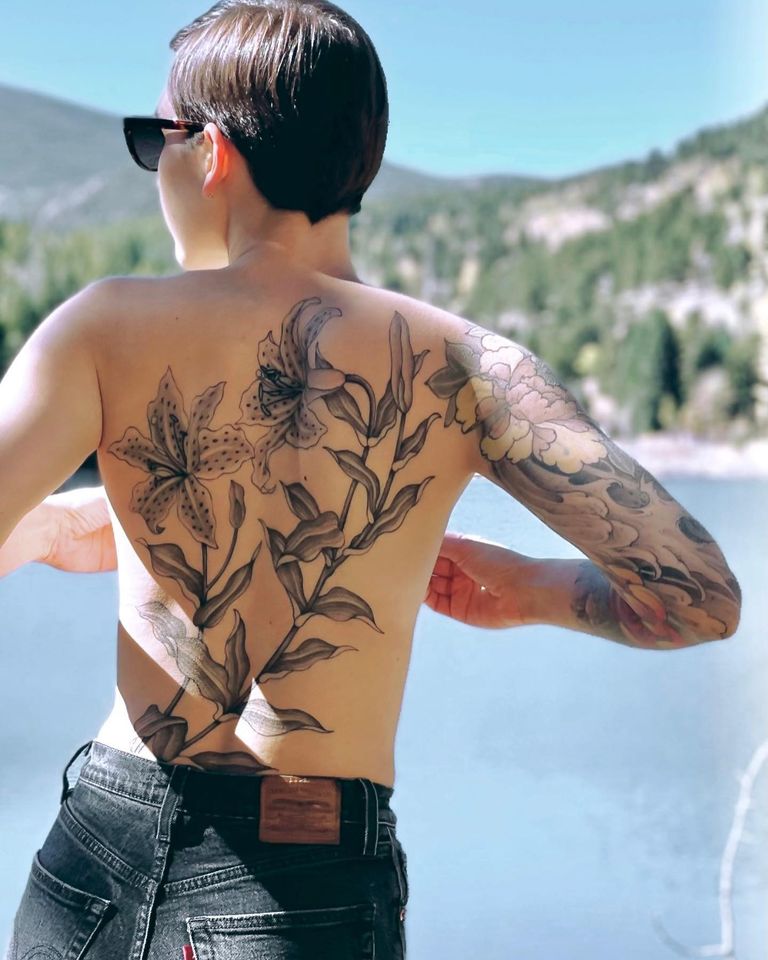
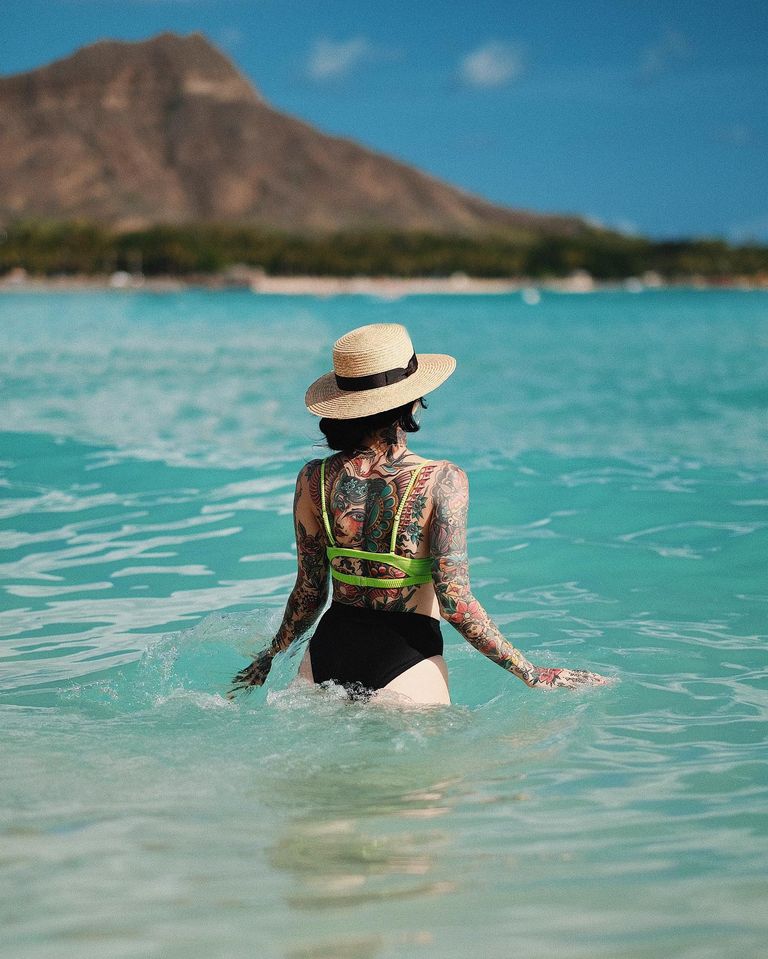
Showers are fine. Pools, hot tubs, baths and the sea can carry bacteria into open skin, and a long soak softens scabs. Wait until the peeling stops, usually two to four weeks.
Picking and scratching
Scabs on a tattoo hold ink. Pull one off early and you can take color with it, leaving a patchy spot or a scar.
Tight clothing
Waistbands, bra straps, socks and shoes rub a healing tattoo and can stick to it. Wear loose, soft fabric over it for the first week or two.
Sleeping on a new tattoo
For the first few nights the tattoo may weep onto the bed, so use clean, old sheets. If fabric sticks to it in the morning, don’t pull. Wet it with lukewarm water until it comes away.

Is it healing normally or infected?
Some redness, swelling, soreness, clear fluid, itching and flaking are usually normal. What isn’t normal is a tattoo that gets worse instead of better. See a doctor right away if you notice:
- Redness that spreads past the tattoo, or red streaks running from it
- Pain or swelling that keeps increasing after the first few days
- Pus, a bad smell or open sores
- Skin that still feels hot after the first few days, or a fever or chills
Redness can be harder to see on brown and black skin, so watch for warmth, swelling and pain too. Your artist knows tattoos, not medicine, so a worrying tattoo goes to a doctor.
An allergic reaction looks different: an itchy, bumpy rash in one ink color, most often red. It can show up right away or years later. See a dermatologist if it lasts longer than a week or two, and get help straight away for a severe reaction.
More aftercare questions
For your next tattoo, ask the artist which wrap they use, and have fragrance-free soap and lotion at home before you go. Our guide on how to prepare for a tattoo appointment covers the rest. If you haven’t picked an artist yet, the artist finder can suggest some.
Cover image: @annaxmeliani