Realism Tattoos: Styles, Portraits and How They Age
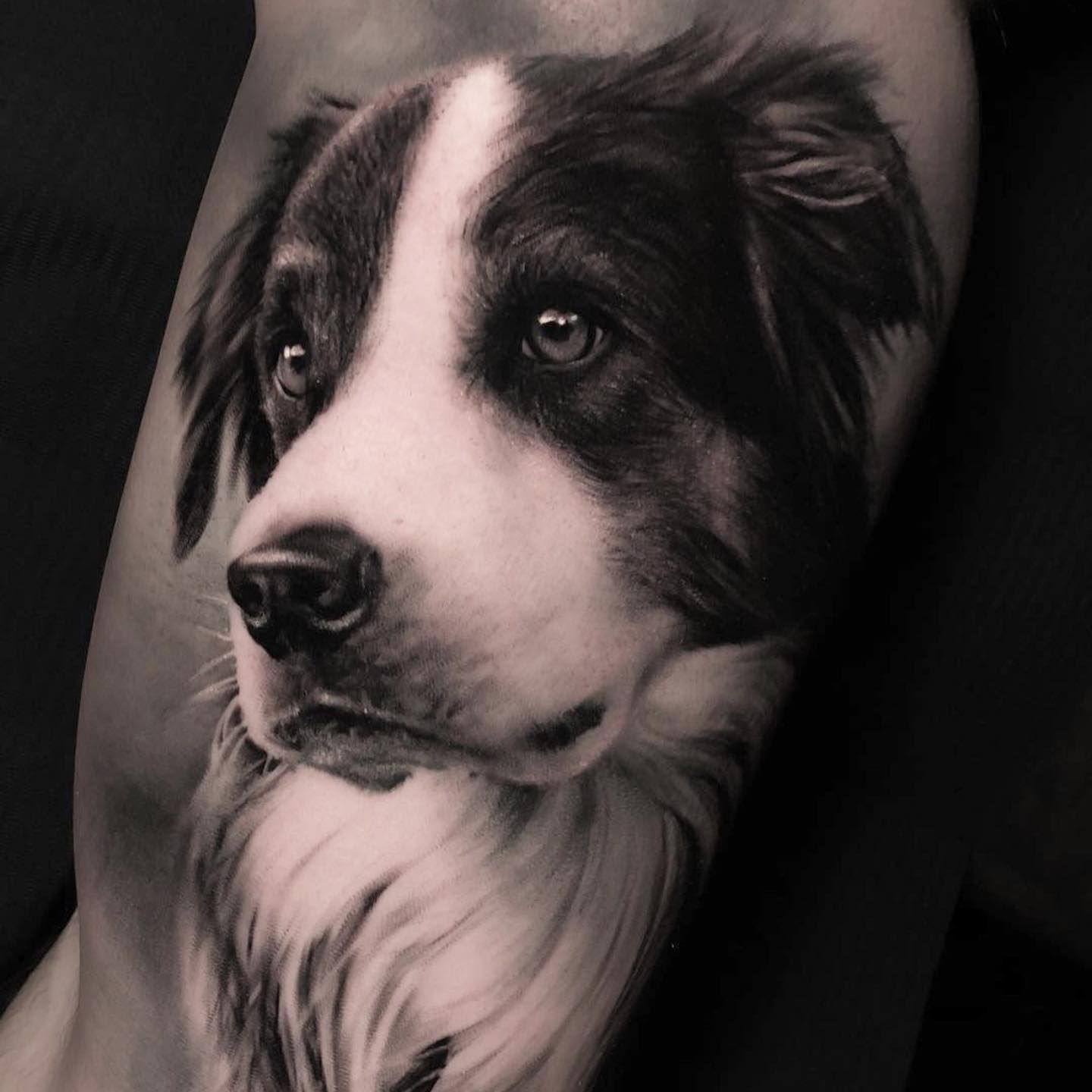
How realism tattoos are made, where black and grey realism came from, what makes a good portrait reference photo, and why size and contrast decide how they age.
Related galleries
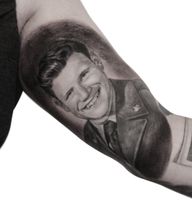
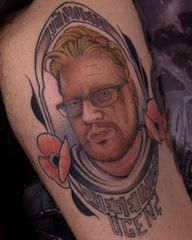
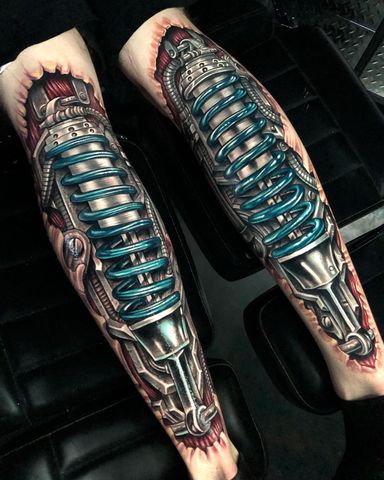
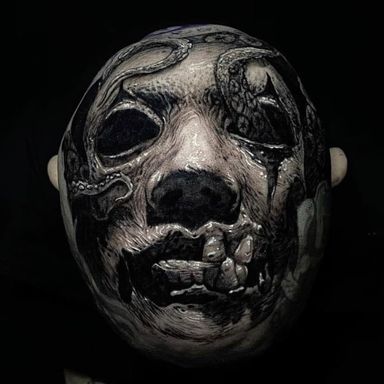
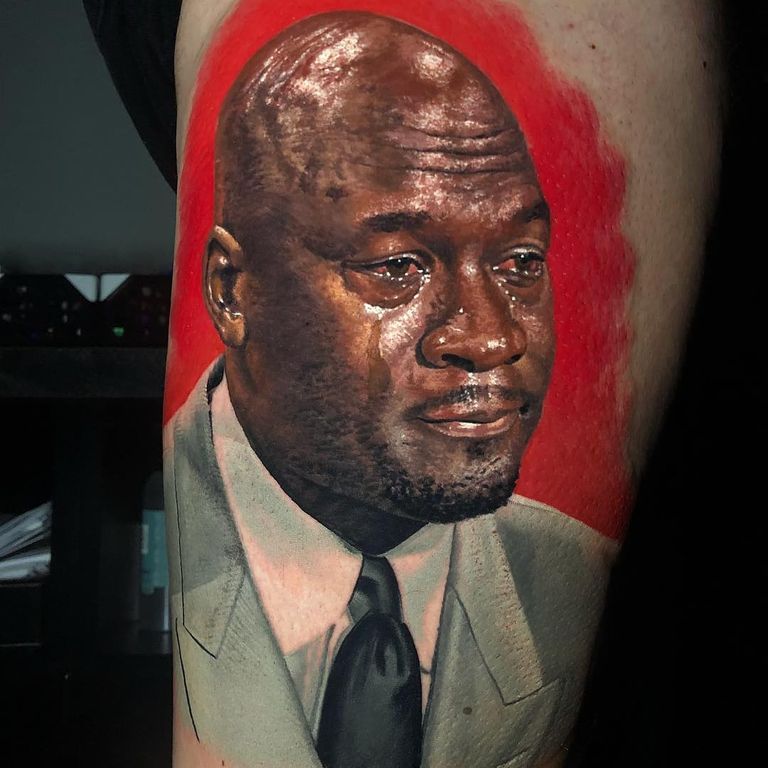
A realism tattoo copies something real, usually a photograph, as closely as ink on skin allows. There are no bold outlines. The image is built from shading and hard contrast between dark shadows and light highlights. It can be black and grey or full color. Portraits, animals and film stills are the classic subjects.
Summary
- Black and grey realism keeps its contrast longer than color.
- A portrait is only as good as its reference photo.
- Go bigger than you think. Eyelashes, fur and small text merge first as a tattoo ages.
What defines a realism tattoo
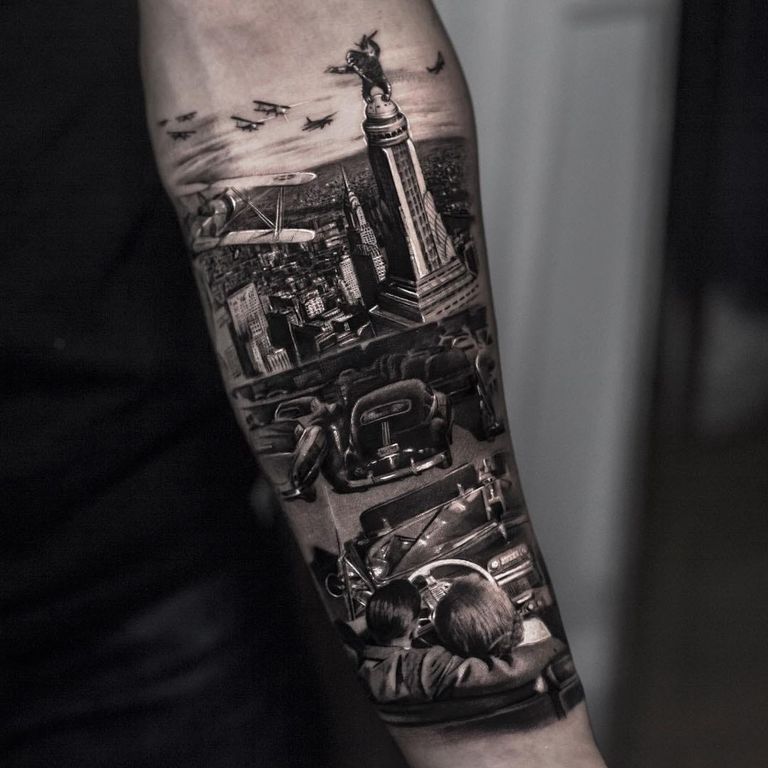
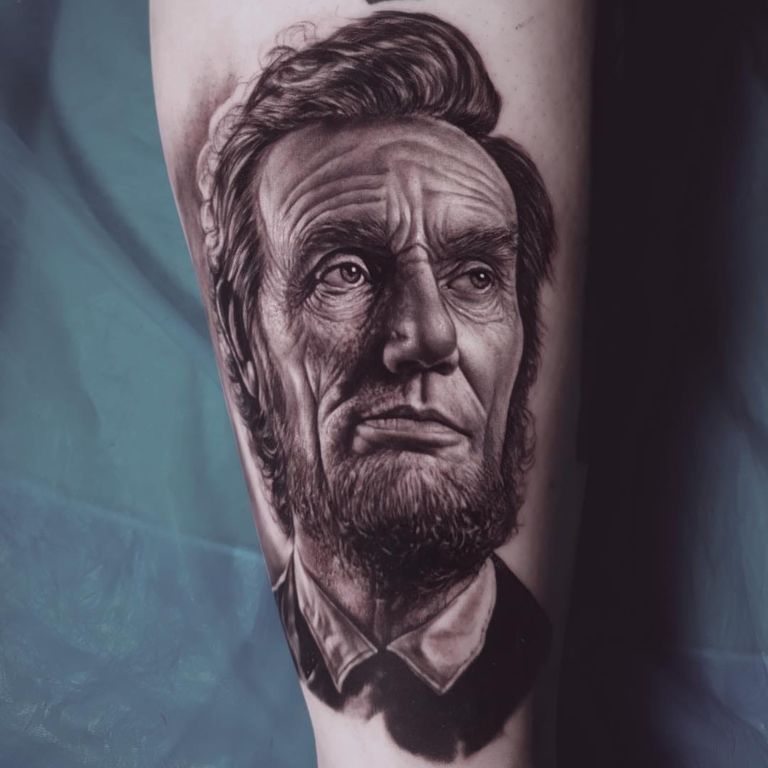
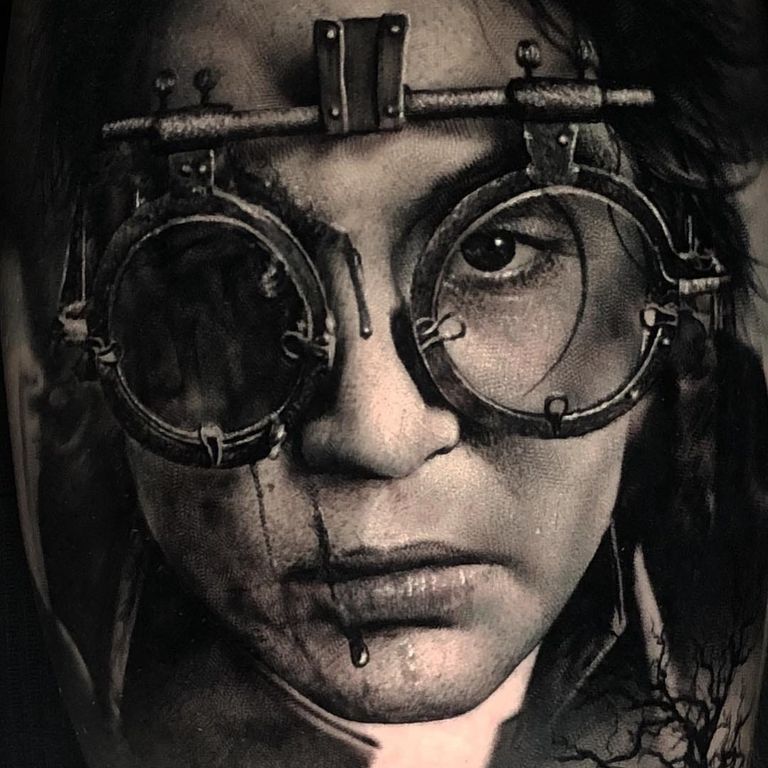
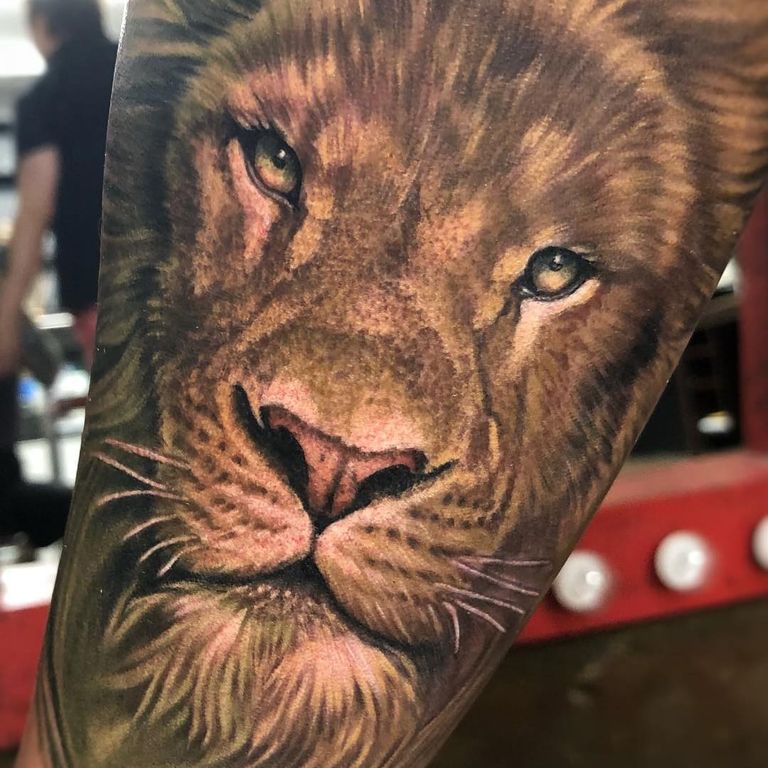
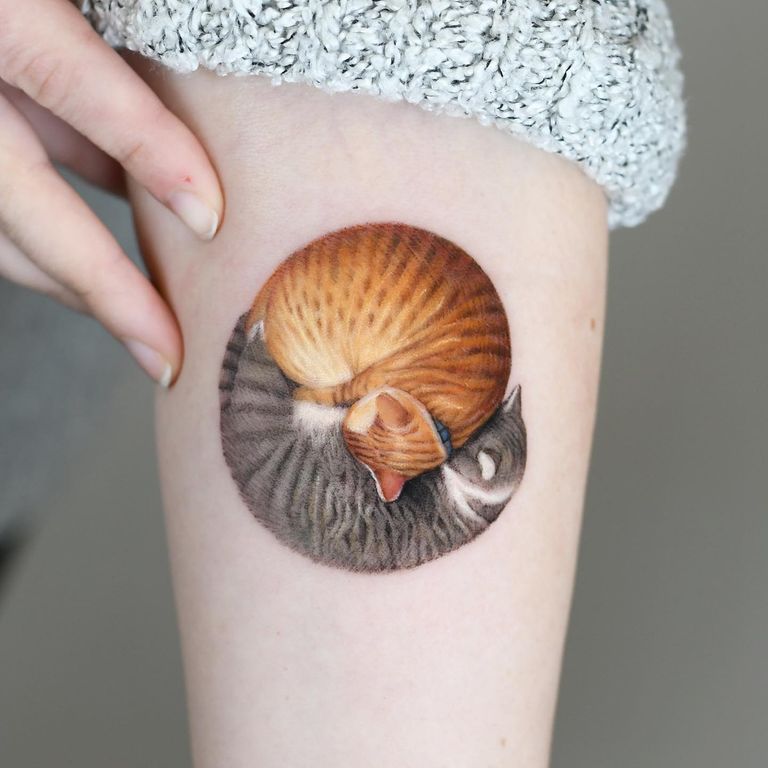
Up close, a realism tattoo has almost no line work. Edges appear where one tone meets another, as in a photo. The artist copies how light or dark each area is, plus textures like skin, fur and metal. Many also copy the camera’s focus, with a sharp subject and a softer background.
Photorealism and hyperrealism name the most exact end of the style. The goal there is a tattoo you could mistake for a printed photo. Shops use all three words loosely, so judge the portfolio, not the label.
Black and grey vs color realism
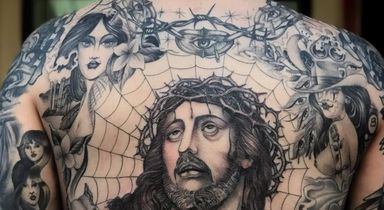
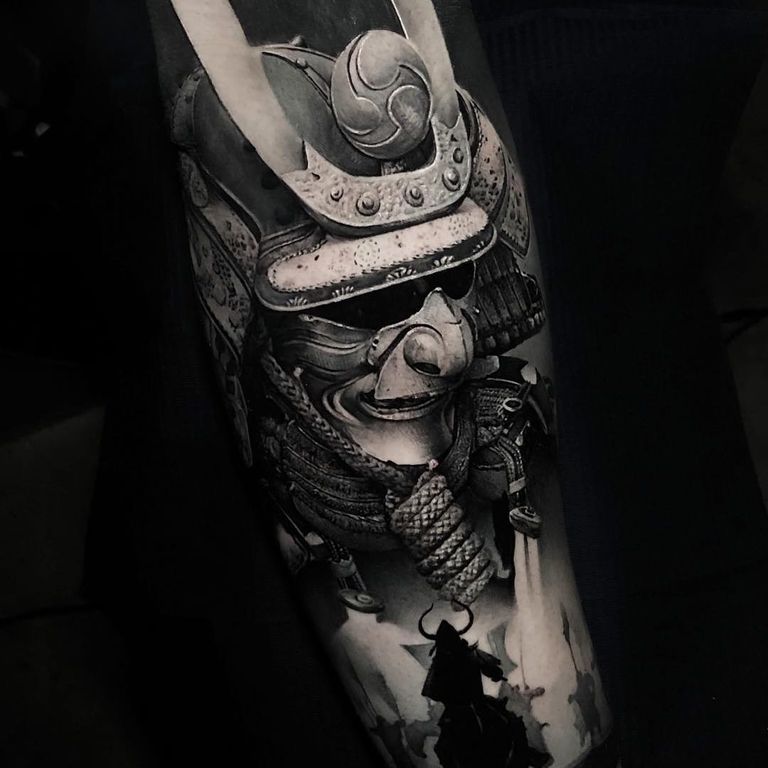
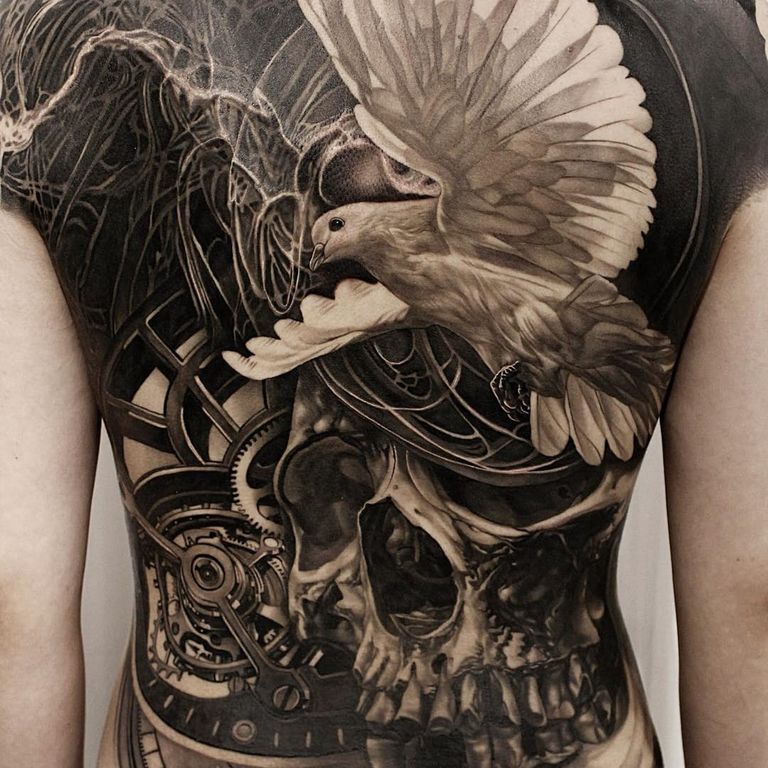
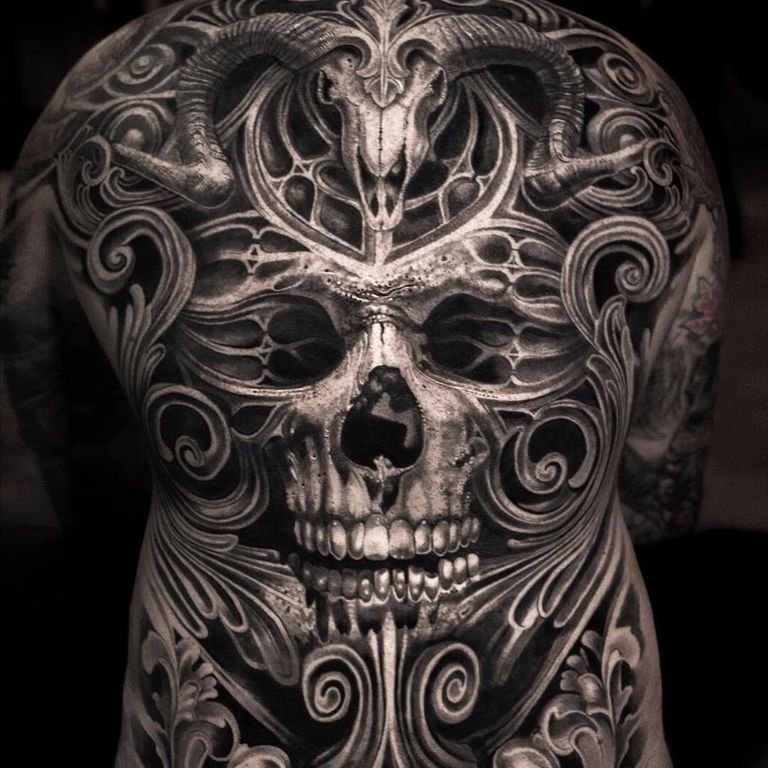
Black and grey realism uses black ink thinned to different greys, with bare skin as the lightest tone. It suits portraits, statues and religious imagery. Because it relies on light and dark alone, it tends to age well.
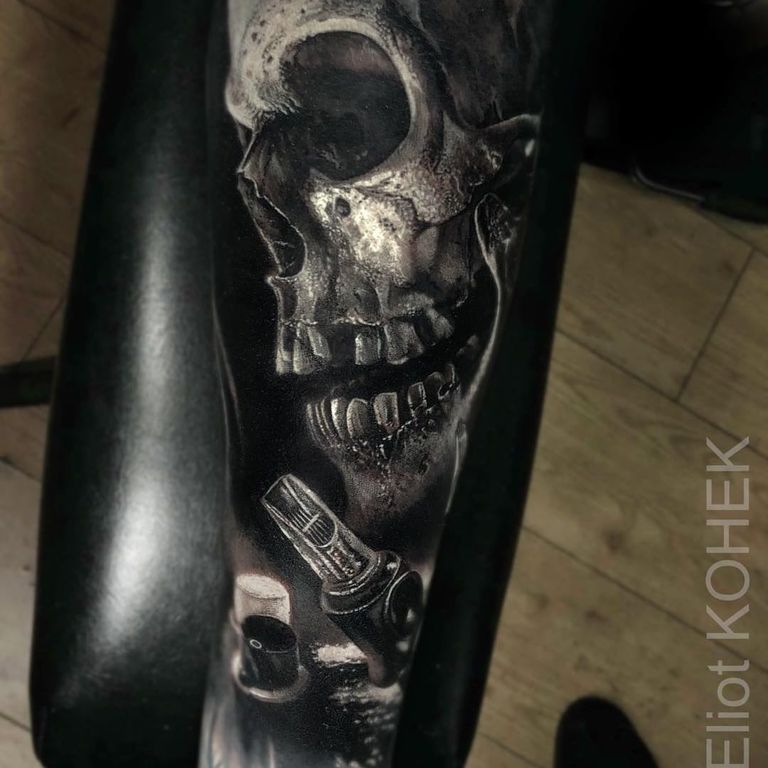
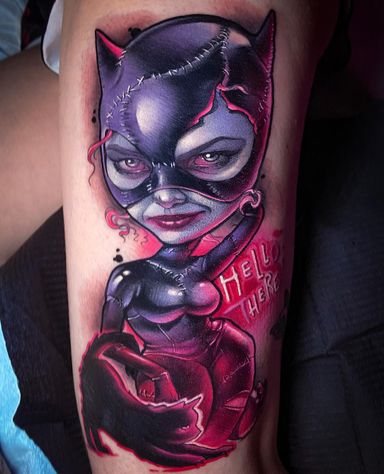
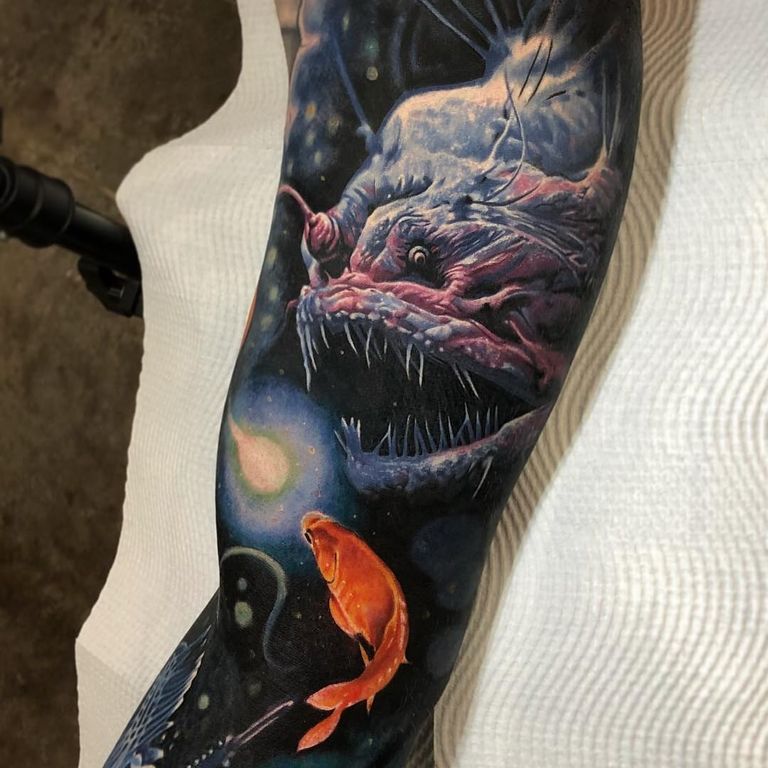
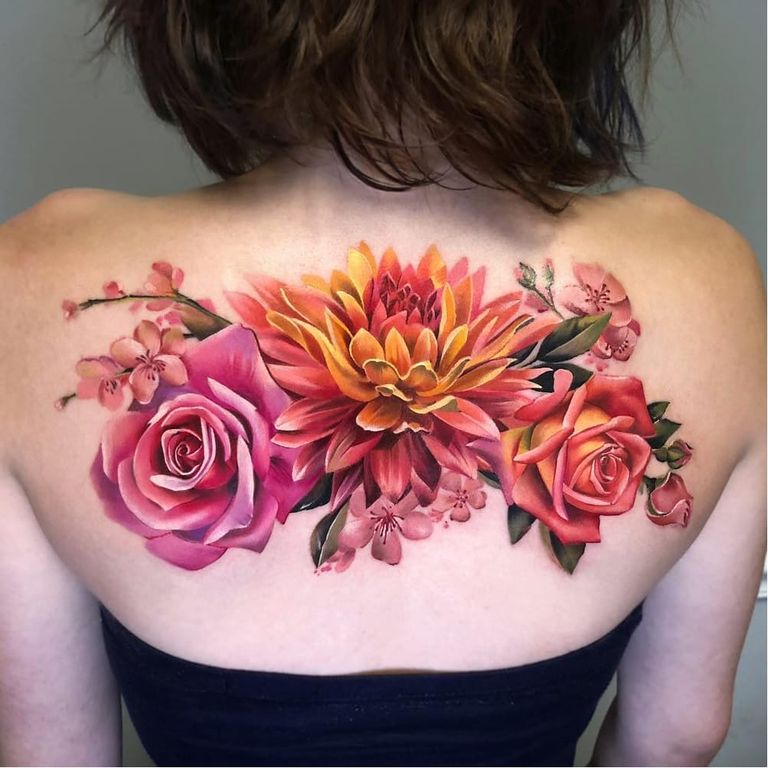
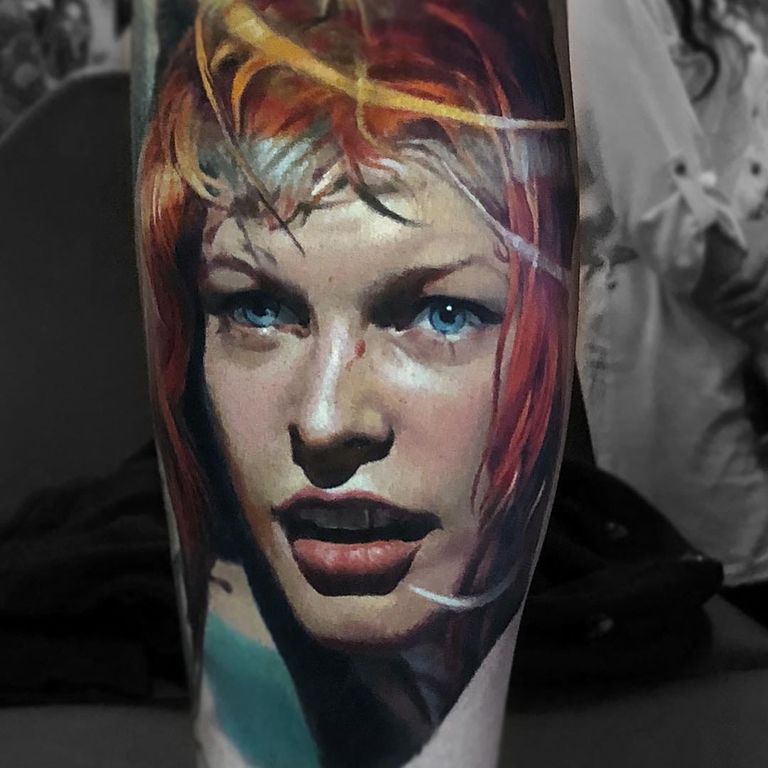
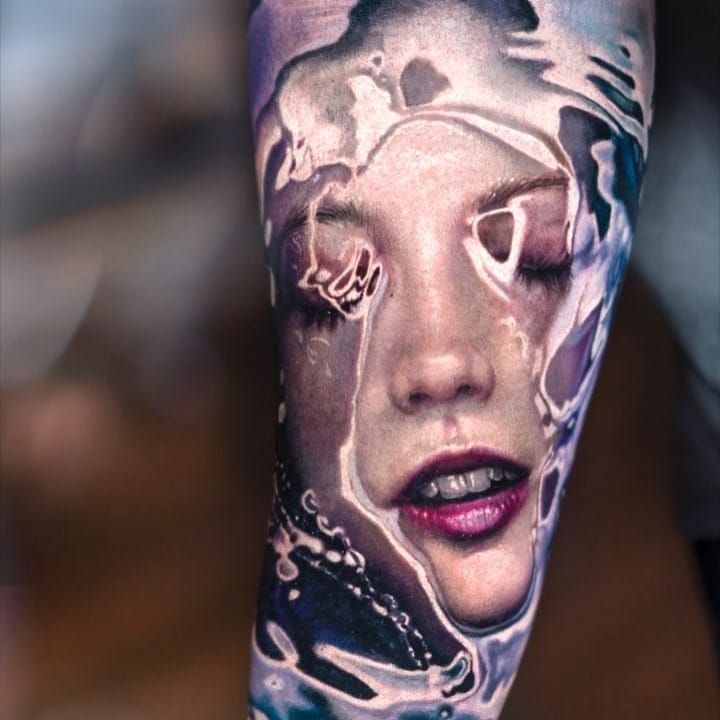
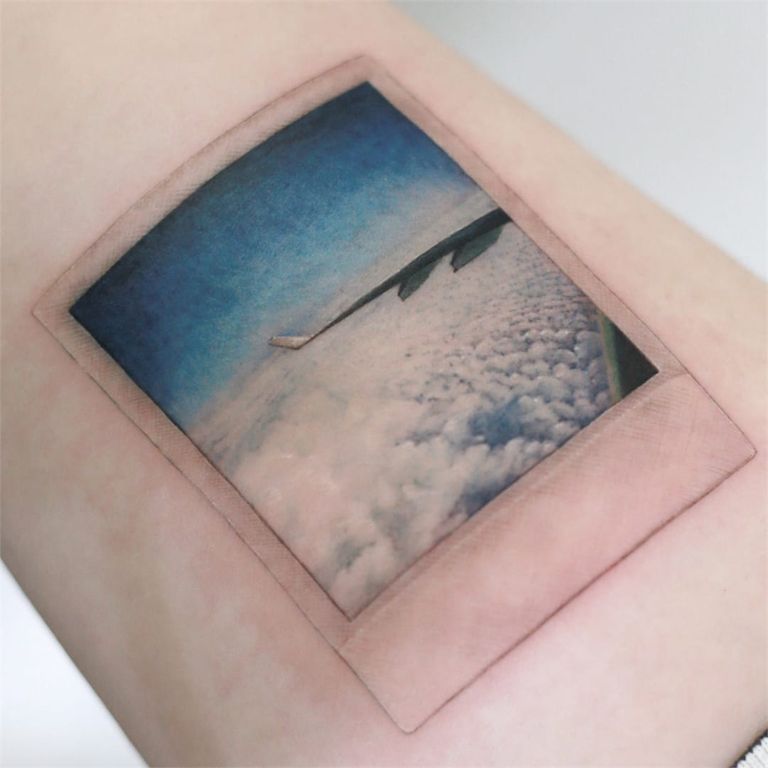
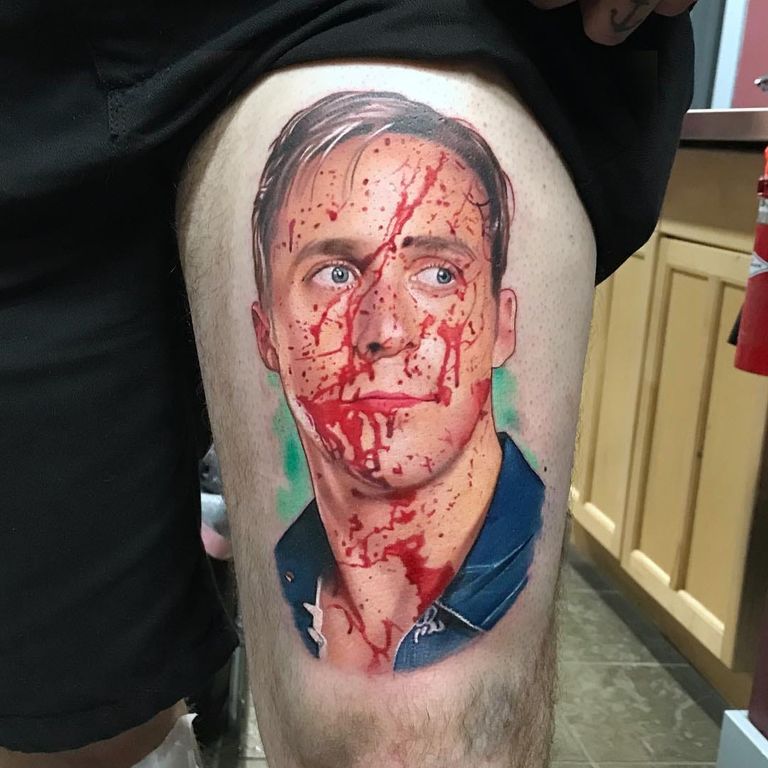
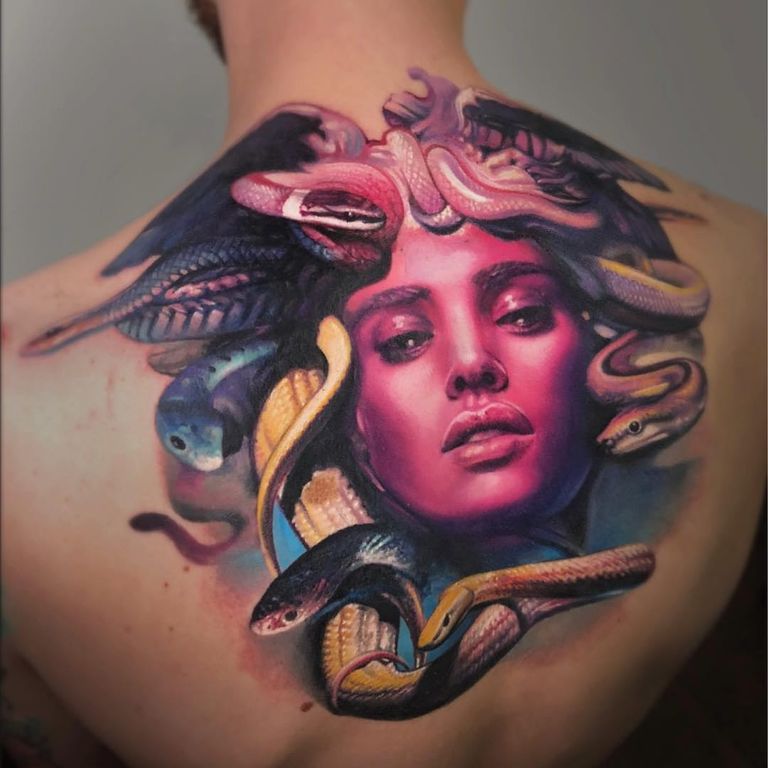
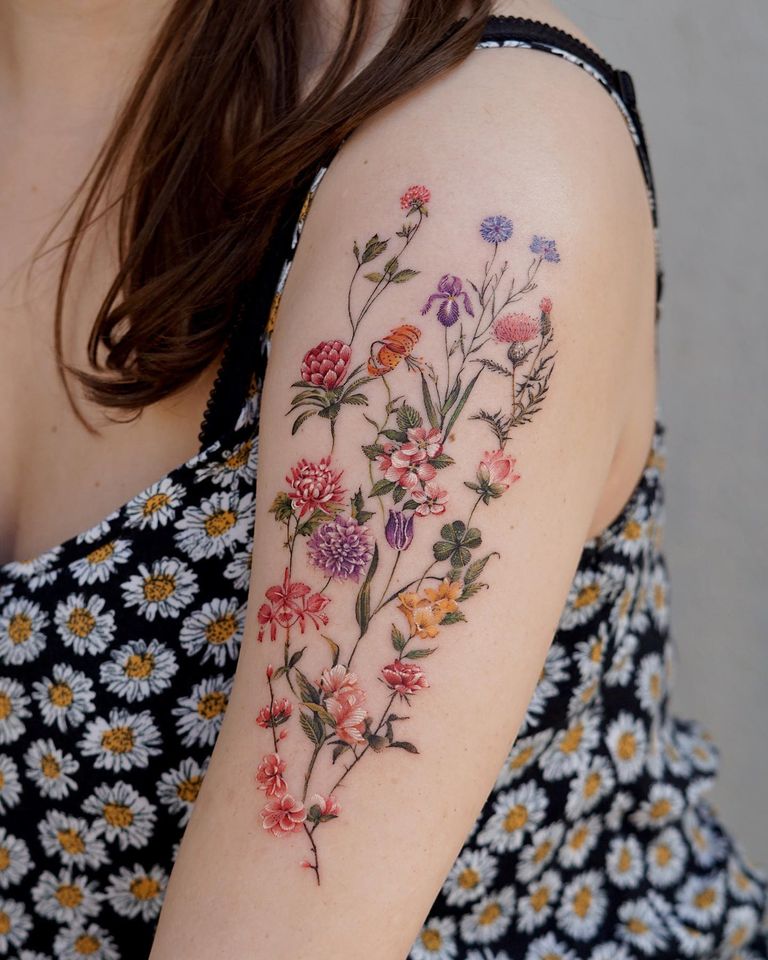
Color realism builds the image from layered color, often with white highlights. Choose it when color is the point: flowers, fish, eyes, a film still. Good color realism still has deep darks underneath. Without them it turns flat and muddy within a few years.
Where realism tattooing comes from
In fine art, the closest relative is Photorealism, a painting movement of the late 1960s and 70s that copied photos in exact detail. Realism tattooers work the same way.
Black and grey realism has its own roots in California prisons. In a 2018 NPR story, Freddy Negrete described homemade machines and ink made from soot, thinned with water to make grey. A single needle meant fine lines and soft shading.
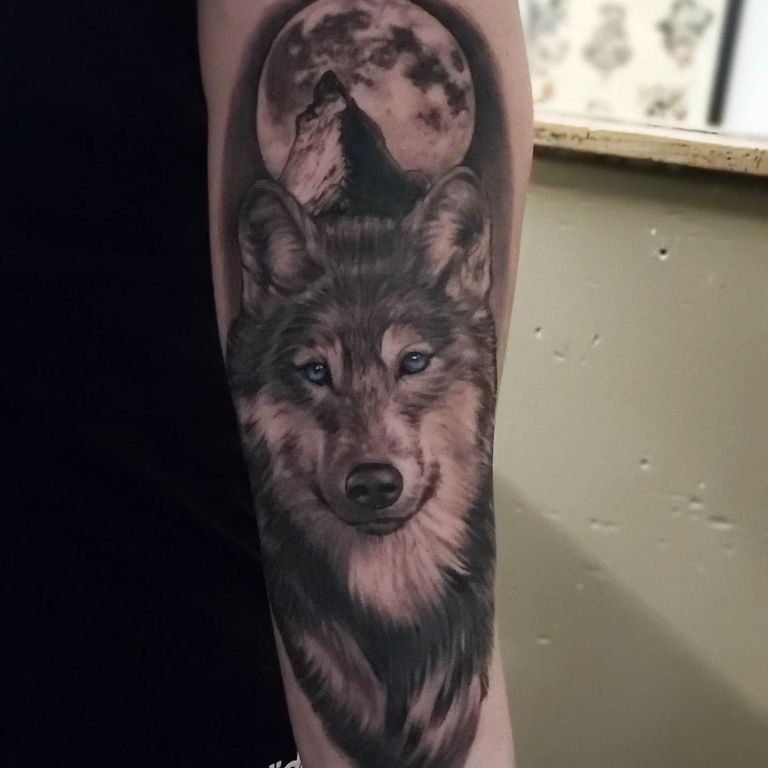
The style moved into shops in the mid-1970s, at Good Time Charlie’s Tattooland in East Los Angeles. That shop work is the direct ancestor of black and grey realism today. Our Chicano tattoo guide tells the full story.
How realist tattooers work
Most of the work starts before the needle. The artist edits the reference first: cropping it, pushing the contrast, sometimes combining photos. The stencil maps shadows and highlights instead of outlines. Black and grey artists build depth in layers from a set of ready-mixed greys. Color realists blend colors in the skin. Larger pieces take several sessions, with healing in between.
Portrait tattoos: choosing a reference photo
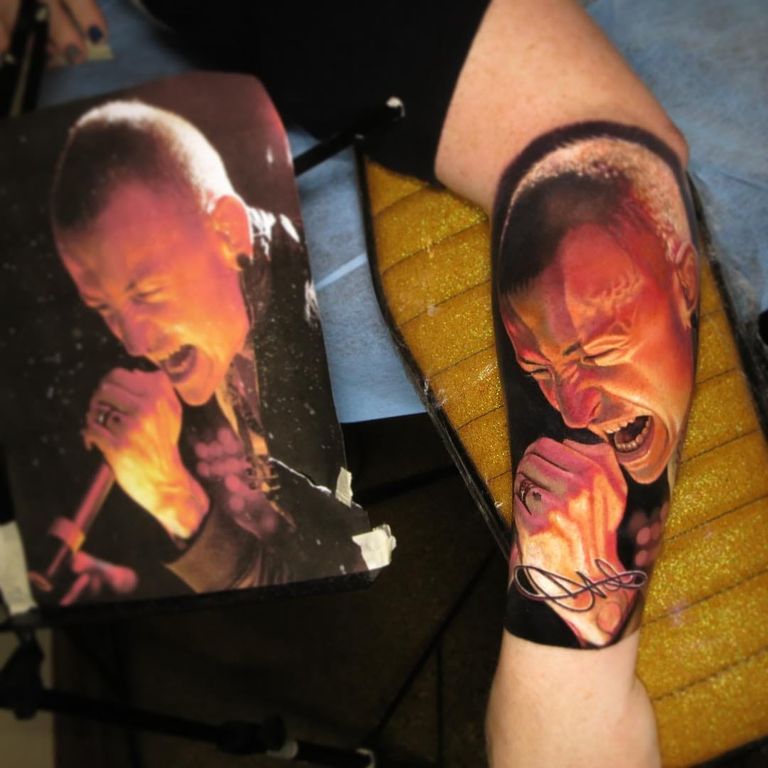
The reference photo decides most of a portrait. An artist can replace a background, but can’t invent detail that isn’t in the picture. Look for a photo with:
- Sharp focus on the eyes. Soft eyes in the photo mean soft eyes on your skin.
- High resolution. Send the original file, not a screenshot.
- Light from one side, so the face has clear shadows. Direct flash flattens a face.
- No filters or beauty smoothing.
- The face large in the frame. A face cropped from a group shot rarely holds up.
The same rules apply to pets. If only an old or blurry photo exists, show the artist everything you have. A good artist will tell you plainly when a photo can’t carry the detail.
Common subjects and what they mean
Realism has no fixed symbolism. The meaning is the subject, and it’s usually personal: a parent, a child, a dog that died, a film that mattered to you. Black and grey work keeps some motifs from Chicano tattooing. Praying hands stand for faith, roses often honor a lost loved one, and clocks and skulls point to mortality. For more subjects, browse realism tattoo ideas.
Realism sub-styles: surrealism, micro-realism and mixed work
Surrealism
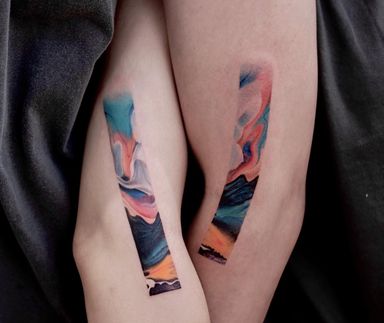
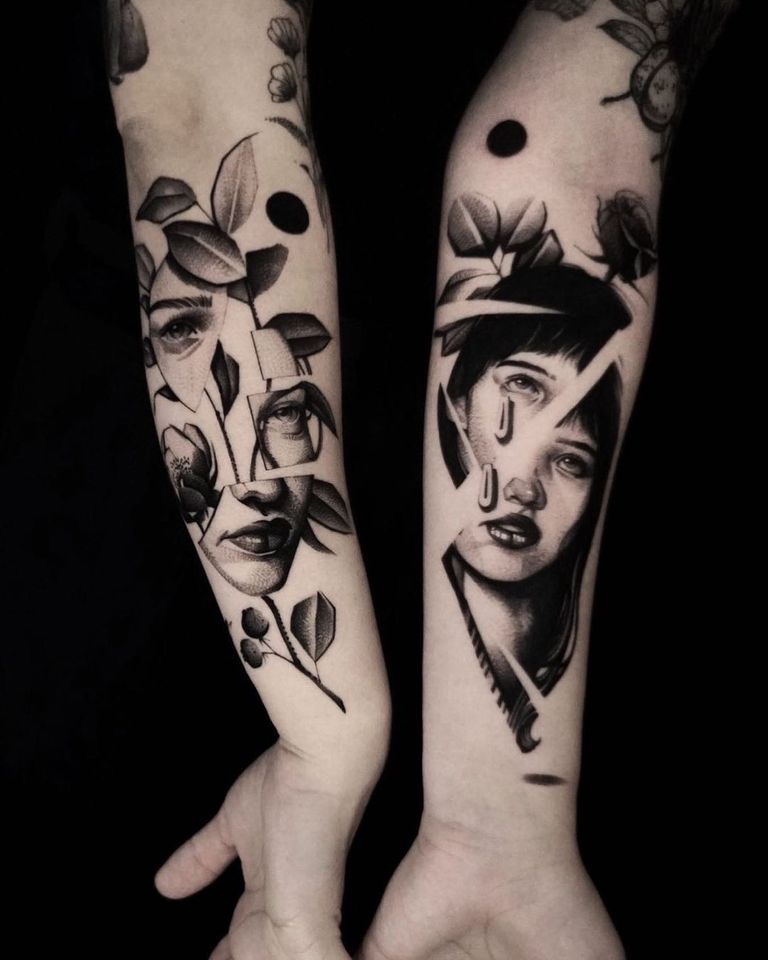
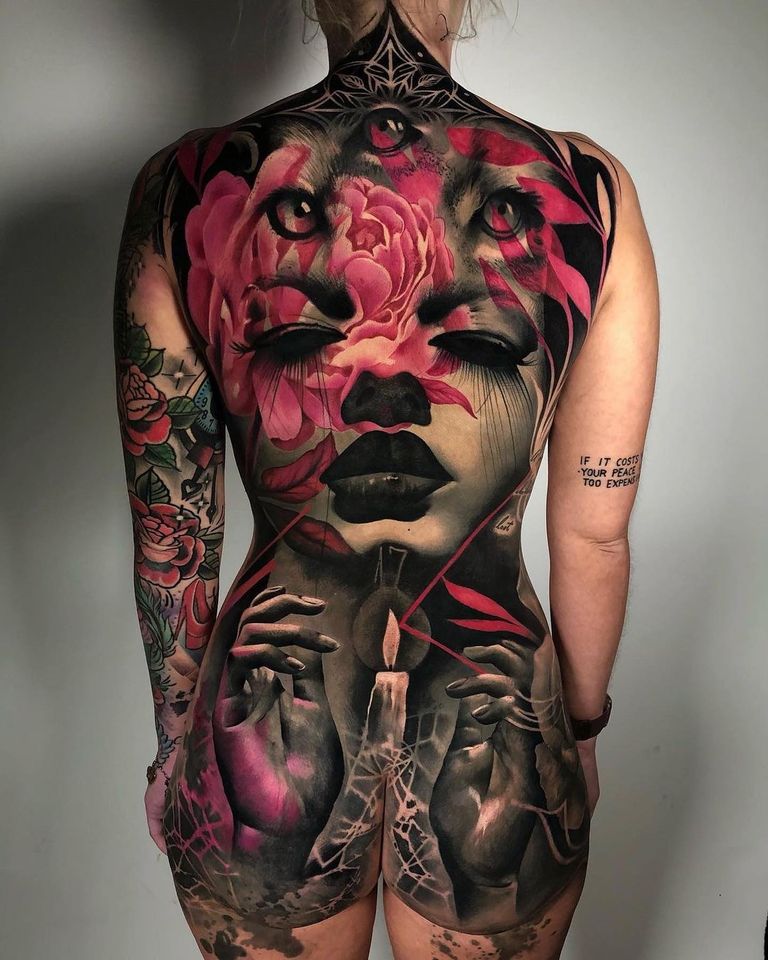
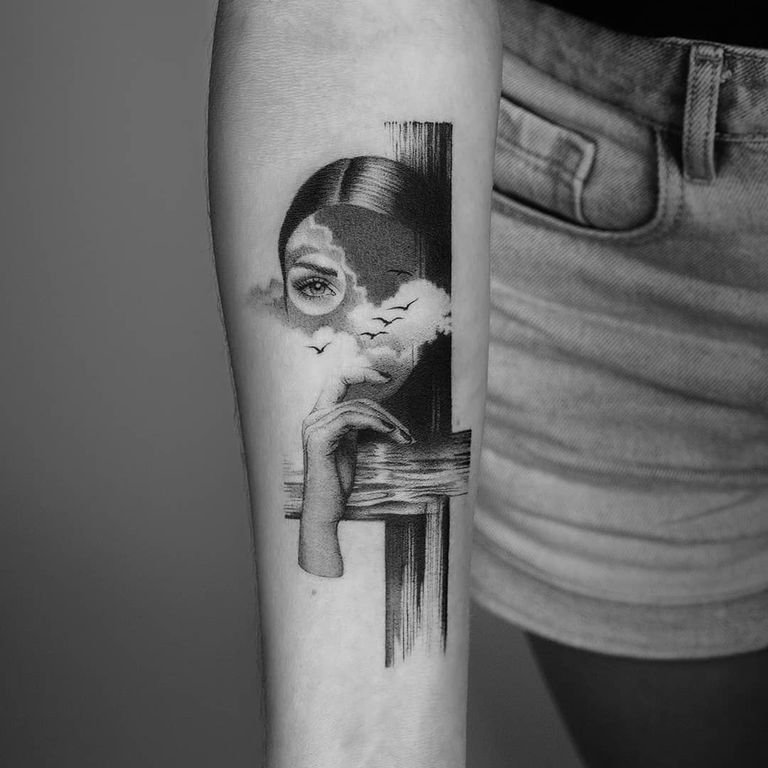
Surrealism uses realism’s shading for scenes that can’t exist: a face dissolving into smoke, a dream that looks photographed. What makes it work is composition. The shifts between elements have to make visual sense.
Micro-realism
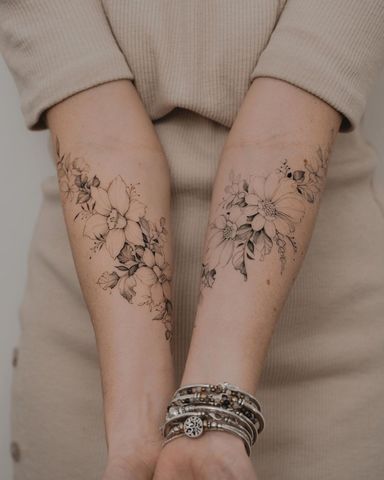
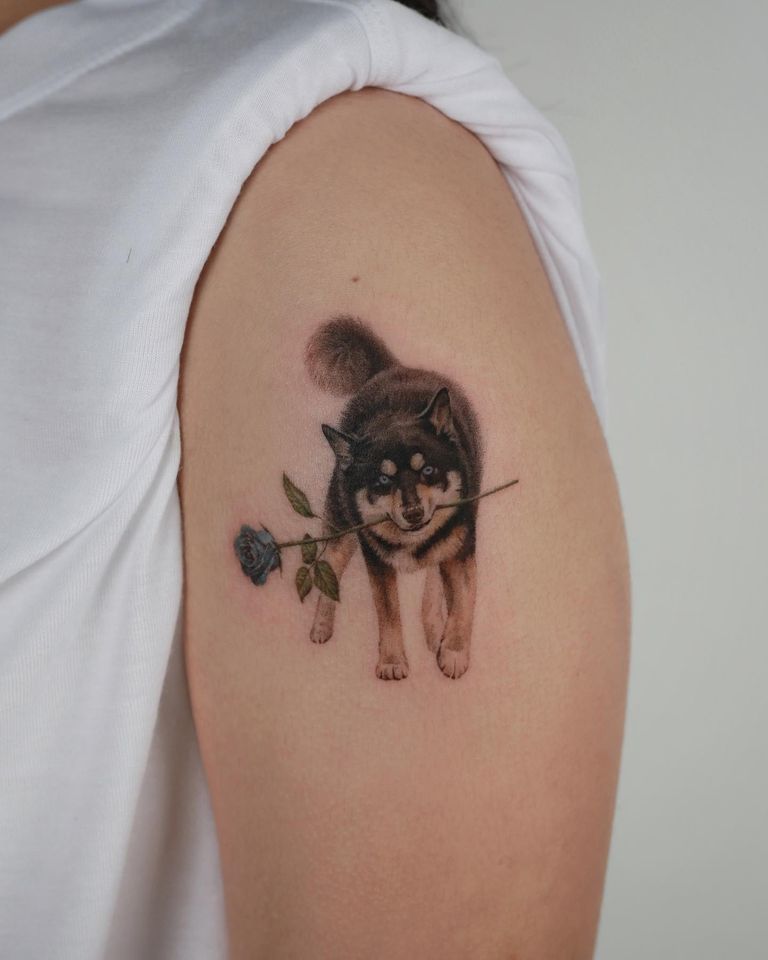
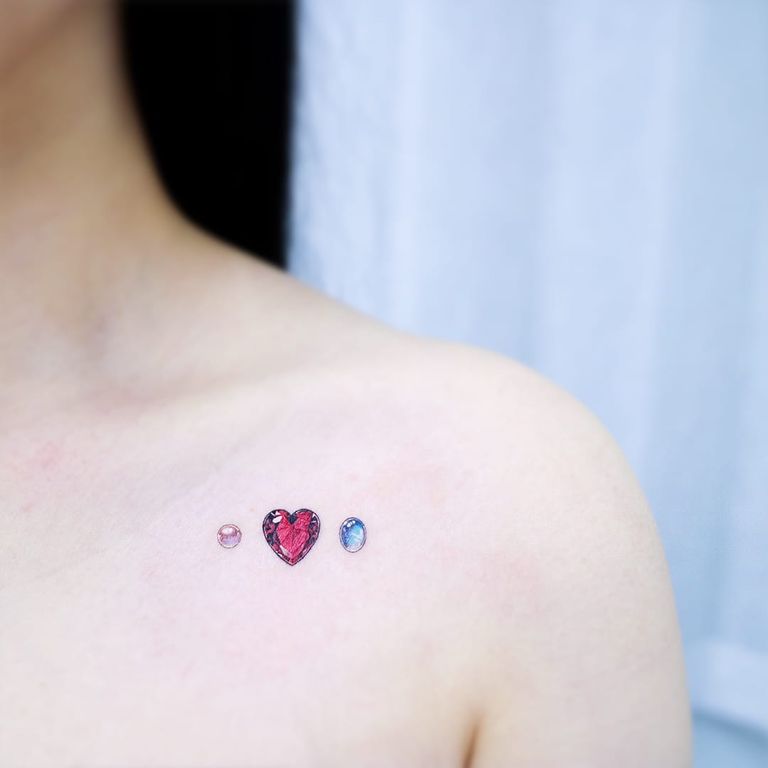
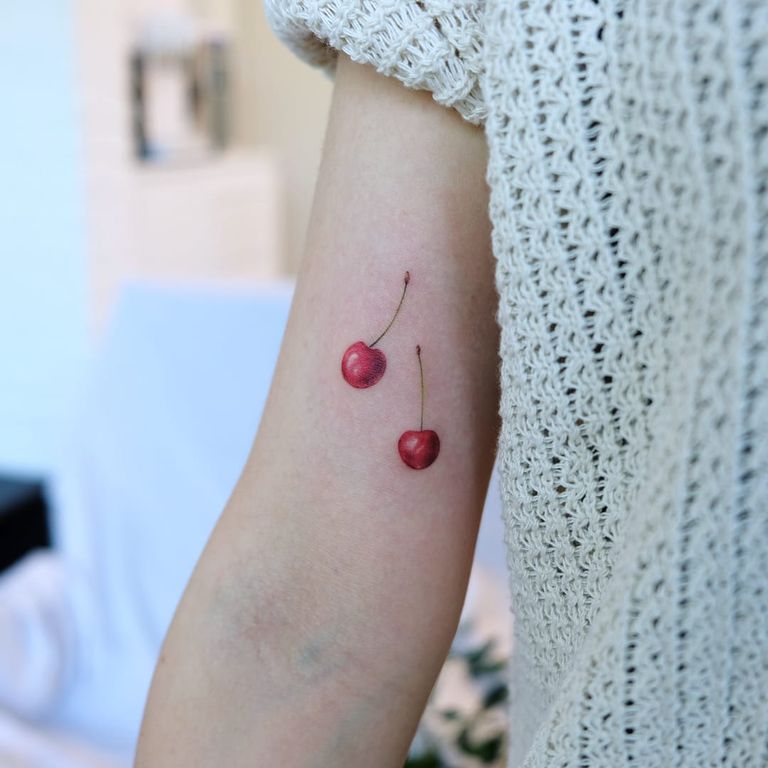
Micro-realism shrinks realism to a few centimeters: a coin-sized pet portrait, a gemstone, a cherry. It overlaps with fine line tattooing. It’s also the realism most likely to blur, so look hard at healed examples before you book.
Realism mixed with other styles
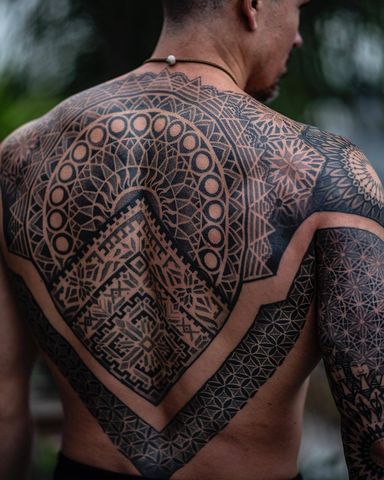
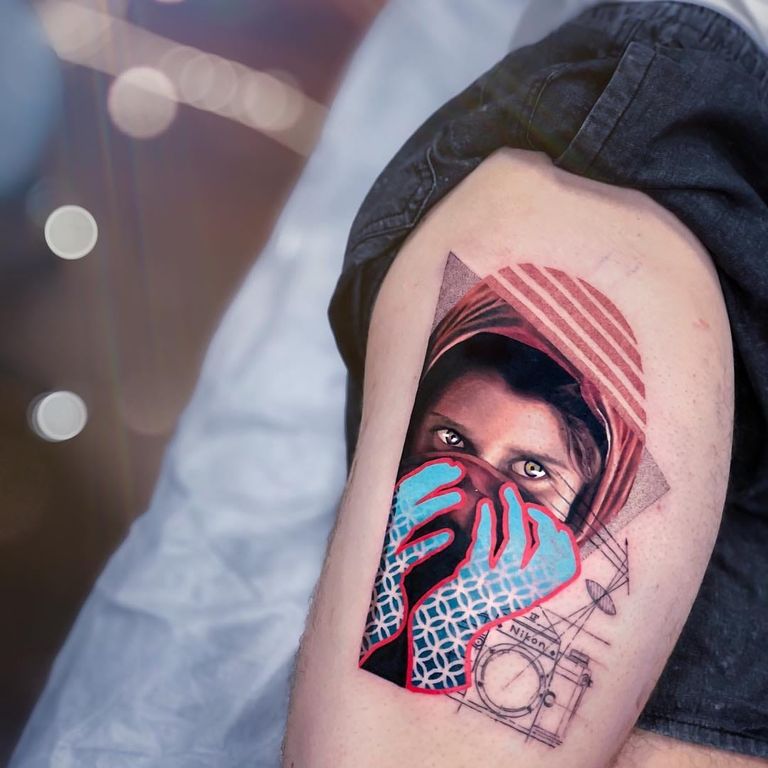
Some artists render part of a design in full realism and break the rest up with pattern. The realistic part looks even more lifelike.
How realism tattoos age
Realism has no thick lines to hold it together, so it depends on contrast. A piece built mostly from mid-greys looks great on day one. Within a few years it can turn into a grey smudge. That’s why good realism artists push the contrast further than the photo.
Size matters just as much. As a tattoo softens, the gaps between close details fill in, so eyelashes and fur merge. The same image at twice the size keeps its detail far longer. UV fades color and pale greys first, so protect your tattoo from the sun.
Sizes and placements that suit realism
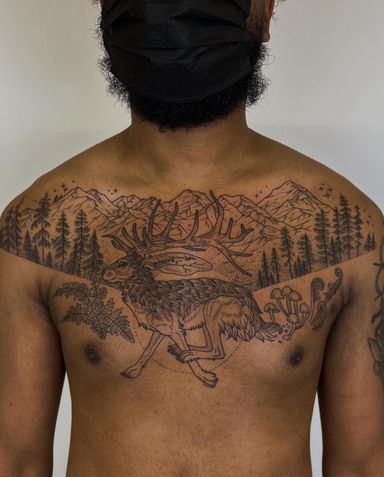
Give a portrait room. The eyes, lips and shading between them need space to stay apart, so many artists set a minimum size. Broad, flat areas hold realism best: outer forearm, upper arm, calf, thigh, back and chest. Hands and feet are poor spots for a portrait. A face loses its likeness there long before a bolder design would.
How to choose a realism tattoo artist
Specialization matters in realism. A portrait that looks like the person takes years of focused practice. Look for a portfolio that is mostly realism, and mostly the kind you want. Then ask:
- Can I see healed portraits, a year old or more?
- Do you have portraits next to their reference photos?
- What size do you recommend for this design?
- Is my reference photo good enough?
Black and grey realism took shape in Los Angeles, and the city still has plenty of specialists: browse realism tattoo artists in Los Angeles. Anywhere else, the artist finder can suggest realism artists. Send them your reference photo first.