Tattoo Style Guides
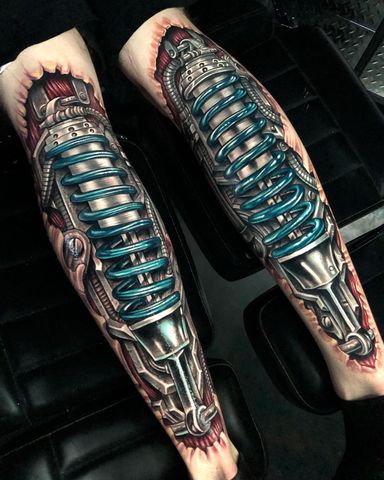
Biomechanical Tattoos: Biomech vs Bio-Organic and Giger Origins
Biomech and bio-organic tattoos: H.R. Giger’s influence, how the designs follow the muscles underneath, and what to ask before a sleeve or back piece.
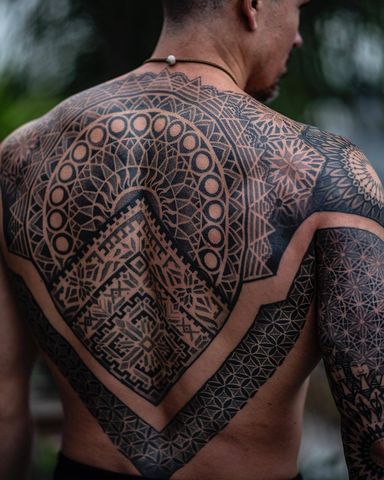
Blackwork Tattoos: Styles, Origins and How Solid Black Ages
Dotwork, geometric, blackout, etching and neo-tribal: how the subgenres differ, how blackwork grew out of the 1980s tribal revival, and why it suits cover-ups.
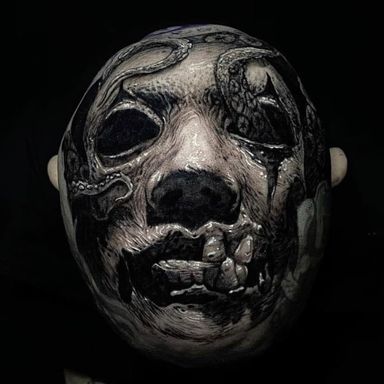
Dark Art and Horror Tattoos: Imagery, Origins and Technique
Demons, skulls, occult symbols and movie monsters: how dark art differs from horror tattoos, where the imagery comes from and how black and grey shading ages.
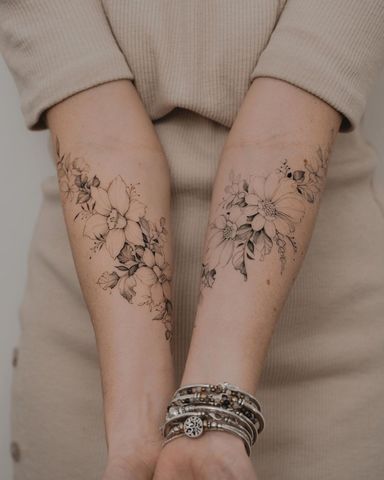
Fine Line Tattoos: Technique, Aging and Best Placements
How single-needle and small round liner tattoos are made, where they came from, how they age, which sizes and placements hold up and how to pick an artist.
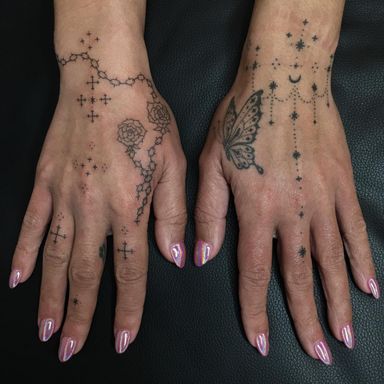
Handpoke Tattoos: How Stick and Poke Works, Heals and Ages
How hand-poked tattoos look, heal and age, how a studio session differs from a DIY stick and poke, and the traditions that still tattoo without a machine.
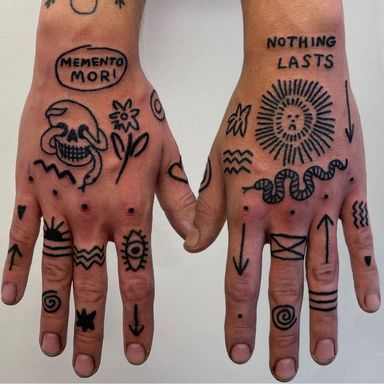
Ignorant Style Tattoos: Meaning, Origins and How They Age
What makes a tattoo ignorant style, why it’s called that, how Fuzi UV TPK took it from Paris graffiti to skin, and how thin black lines age.
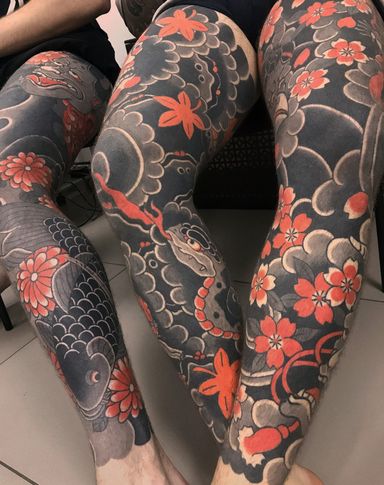
Japanese Tattoos: Irezumi Motifs, Meaning and History
Irezumi from the Edo-period woodblock prints to today: how a piece is composed, what the main motifs mean, tebori, neo-Japanese and tattoos in Japan now.
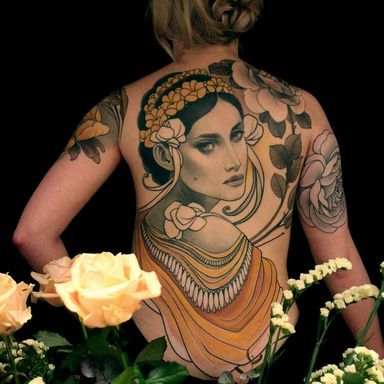
Neo-Traditional Tattoos: Style, Origins and Motifs
How to tell it from American traditional at a glance, why Mucha’s posters sit behind so many of its portraits, and how much room the detail needs to last.
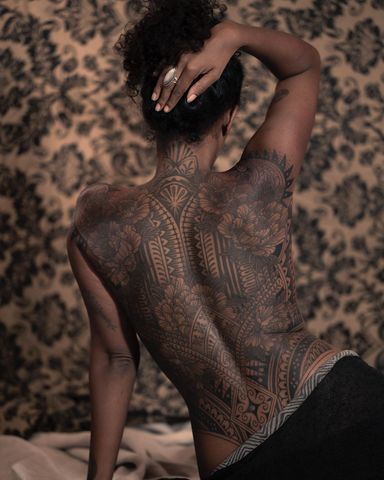
Ornamental Tattoos: Meaning, Origins and Subgenres
Where ornamental tattoo patterns come from, what mandala, lotus and chandelier motifs mean, and how artists fit the work to your body.
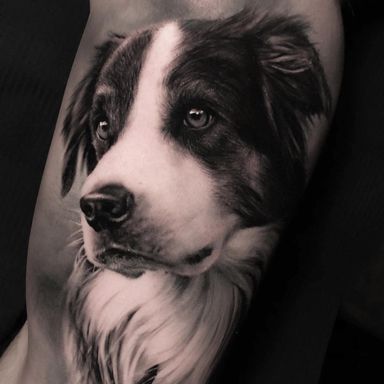
Realism Tattoos: Styles, Portraits and How They Age
How realism tattoos are made, where black and grey realism came from, what makes a good portrait reference photo, and why size and contrast decide how they age.
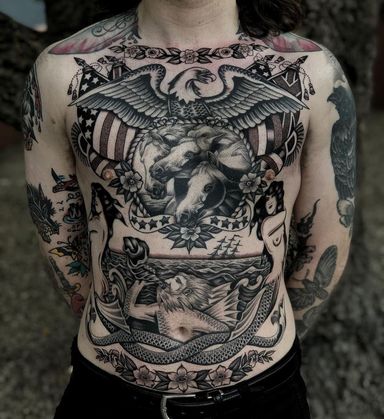
American Traditional Tattoos: History, Motifs and Meaning
How American traditional tattooing grew out of sailor shops and traveling shows, what swallows, anchors and daggers meant, and why bold lines age so well.
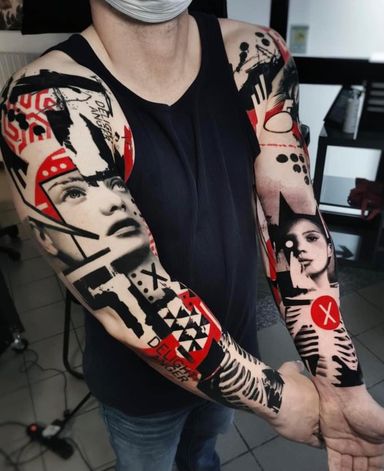
Trash Polka Tattoos: The Style, Its Origins and How It Ages
The black and red collage style from Würzburg: how its two layers work, why it needs a whole sleeve or back, and why it is hard to add to later.
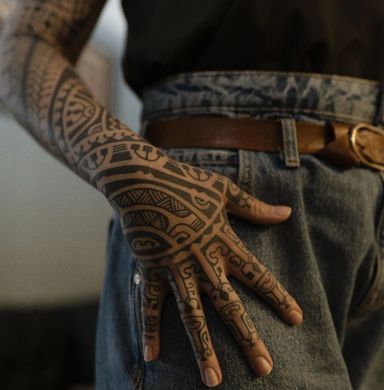
Tribal Tattoos: Meaning, Origins and Types
Samoan tatau, Māori tā moko, Kalinga batok and the other traditions “tribal” lumps together, what their marks meant, and how modern and neo-tribal work differs.
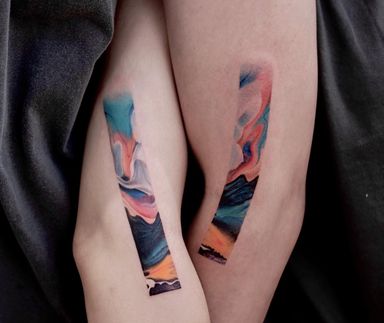
Watercolor Tattoos: Technique, Placement and How Long They Last
Tattoo flash was colored with watercolor paint long before artists began tattooing the wash itself. How they build it in the skin, and where it lasts longest.
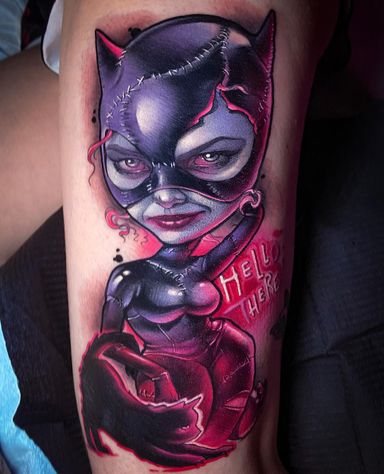
New School Tattoos: Style, Origins and How the Color Ages
The cartoon style that grew out of animation and graffiti in the late 1980s, how to tell it from neo-traditional, and how to keep its neon color bright.
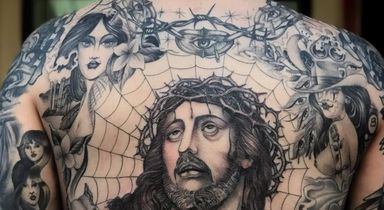
Chicano Tattoos: What the Imagery Means and Where It Comes From
Fine single-needle lines, soft black and grey and Old English script: where Chicano tattooing comes from, what its imagery means and what to ask your artist.
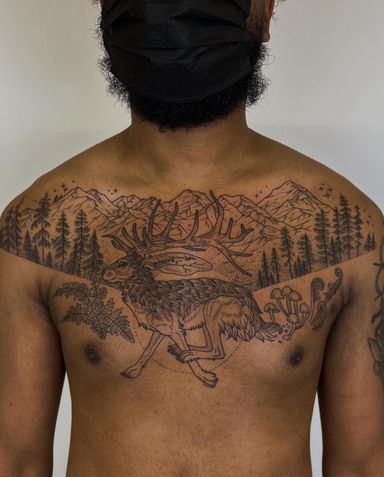
Illustrative Tattoos: What the Style Is and Where It Comes From
Why two “illustrative” artists can make very different tattoos, how to search for the sub-style you want, and why fine hatching needs a bigger tattoo.