How to Cover Up a Tattoo: Designs, Colors, Size and Laser Fading
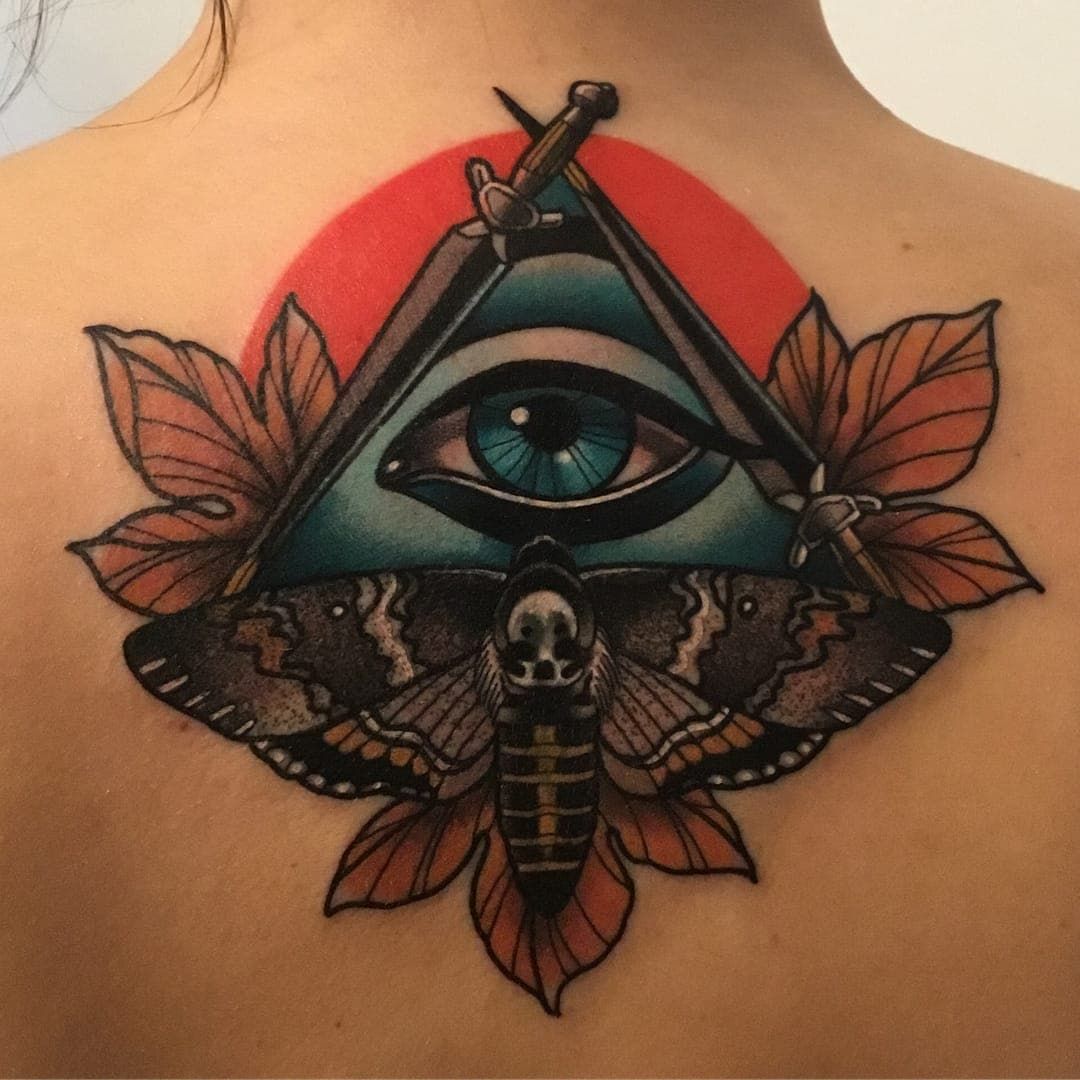
How a new tattoo hides an old one: which designs and colors cover well, how much bigger it needs to be, when to laser-fade first and how to choose an artist.
Related galleries
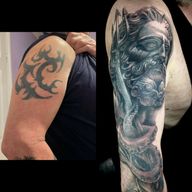
To cover up a tattoo, an artist designs a new one that is darker, denser and bigger than the old one. The darkest parts go over the old lines, so they disappear into shading and texture. Tattoo ink is see-through and mixes with the ink already in the skin. That’s why light colors can’t hide a dark tattoo, and why heavy black work often needs a few laser sessions first.
Summary
- Black, dark blue, purple, deep green and brown cover well, but pastels won’t hide dark ink.
- Laser sessions six to eight weeks apart can fade a dark tattoo enough for a lighter design.
- Artists who work in traditional, Japanese and blackwork styles usually take on the most cover-ups.
What kind of design covers an old tattoo?
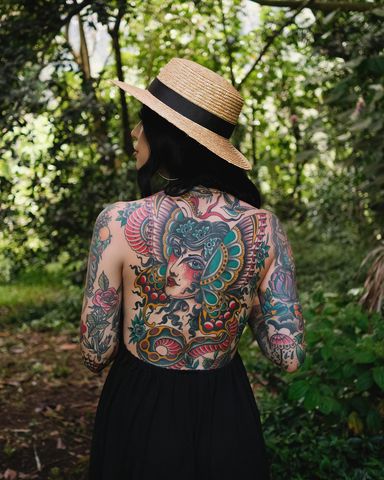
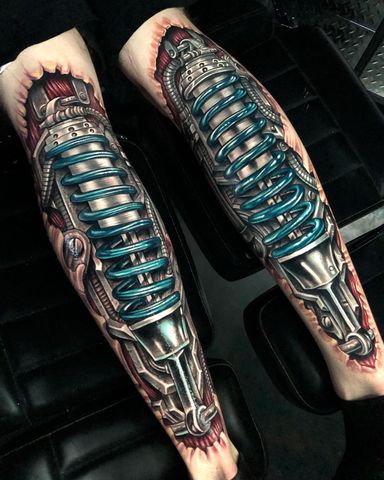
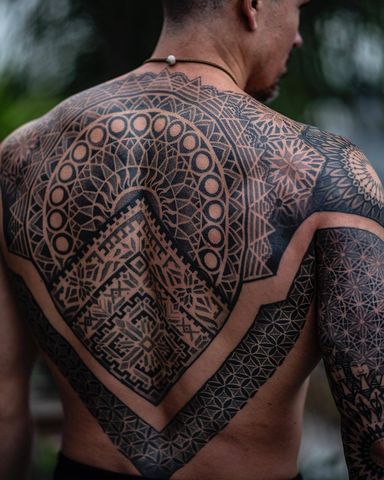
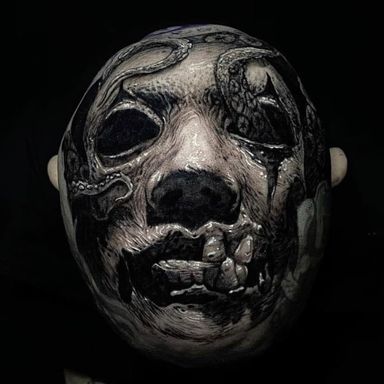
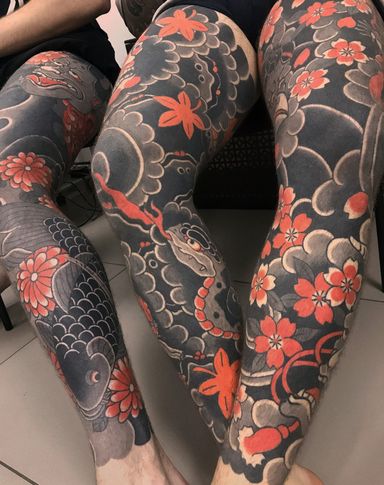
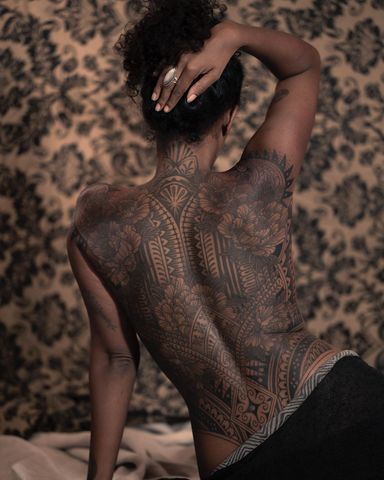
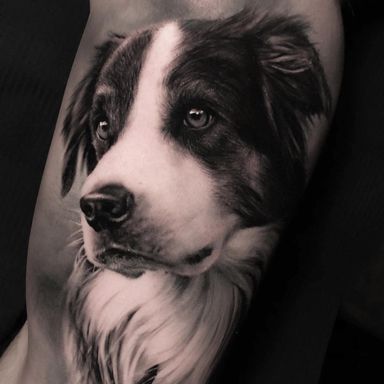
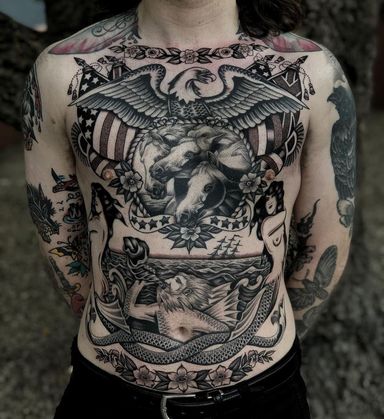
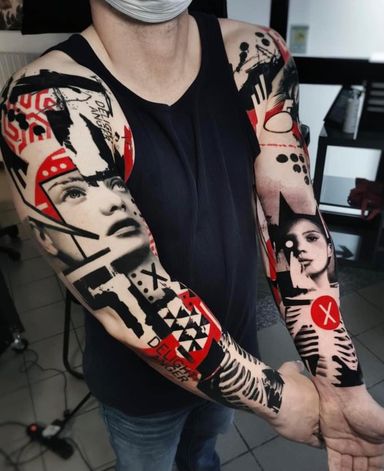
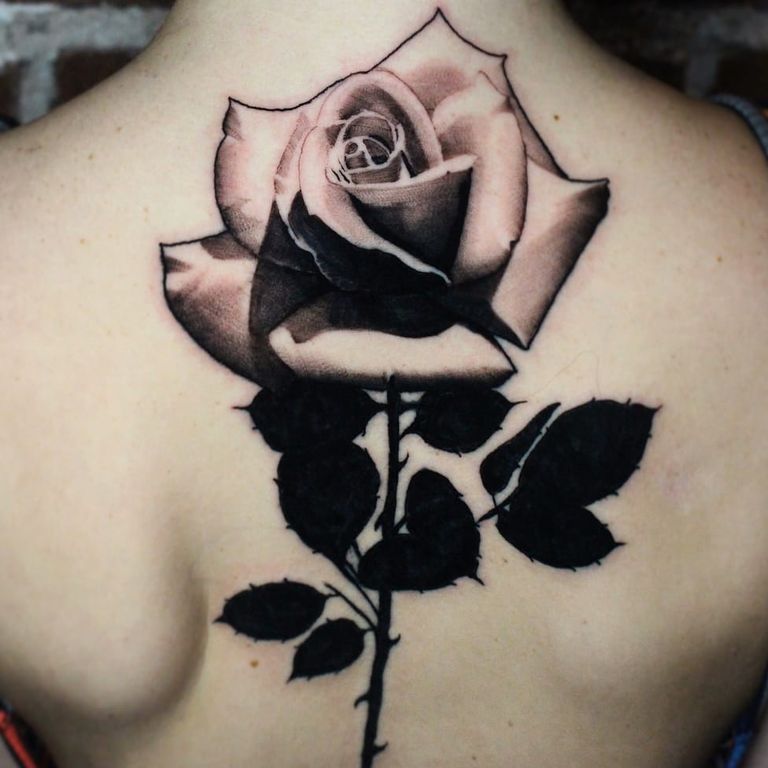
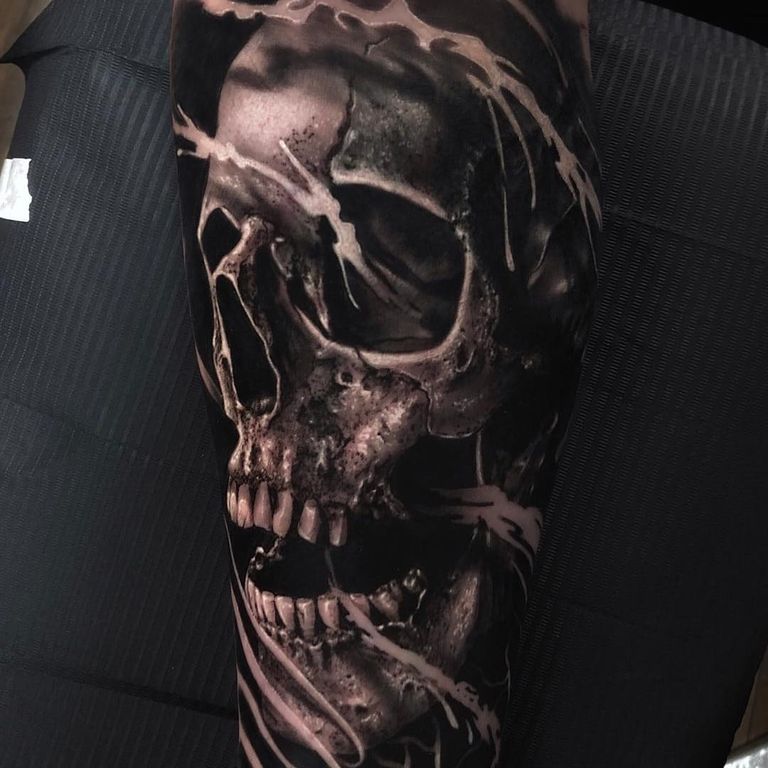
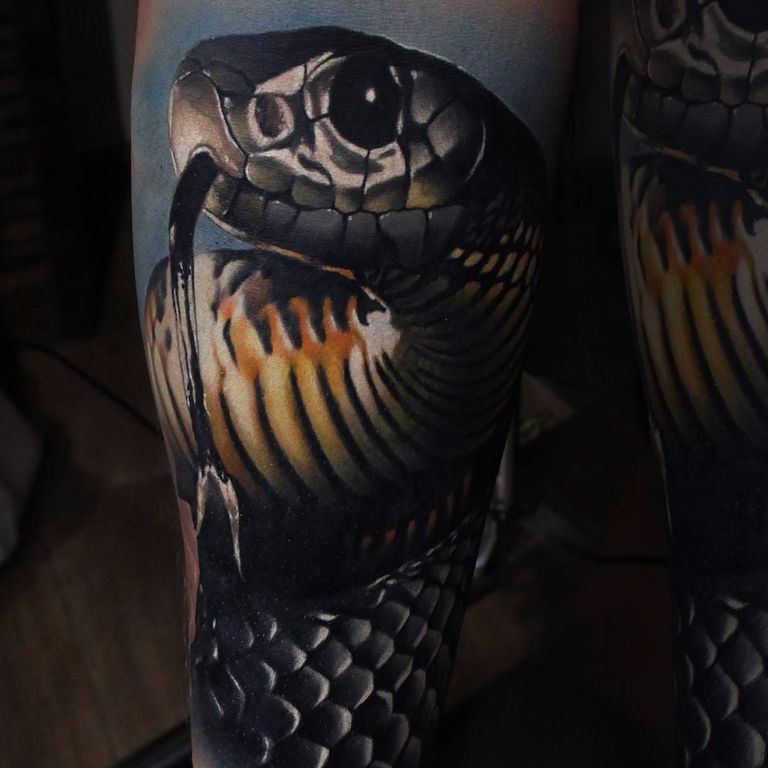
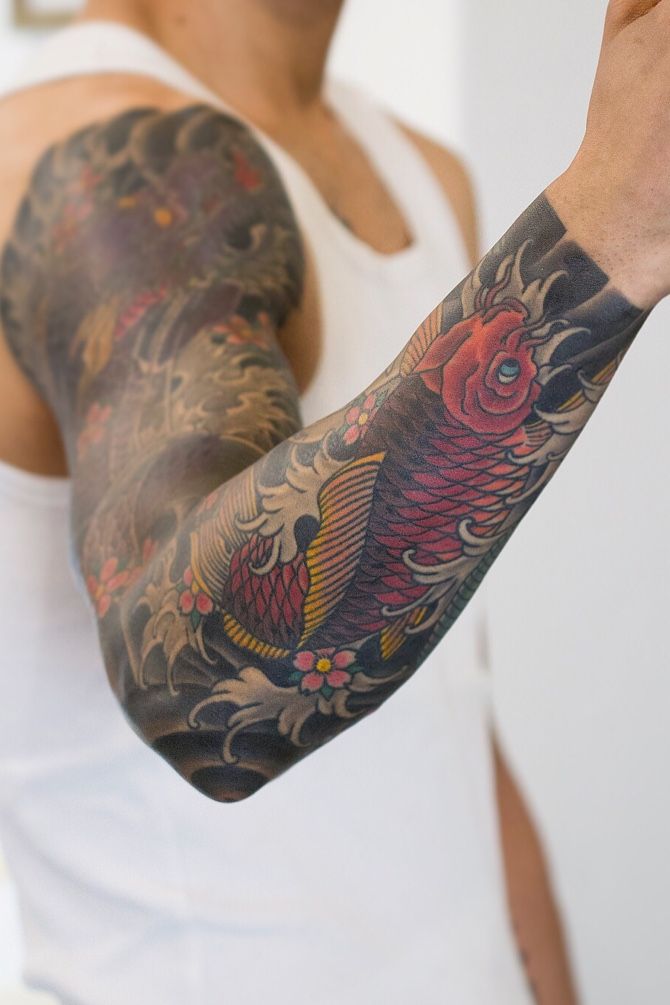
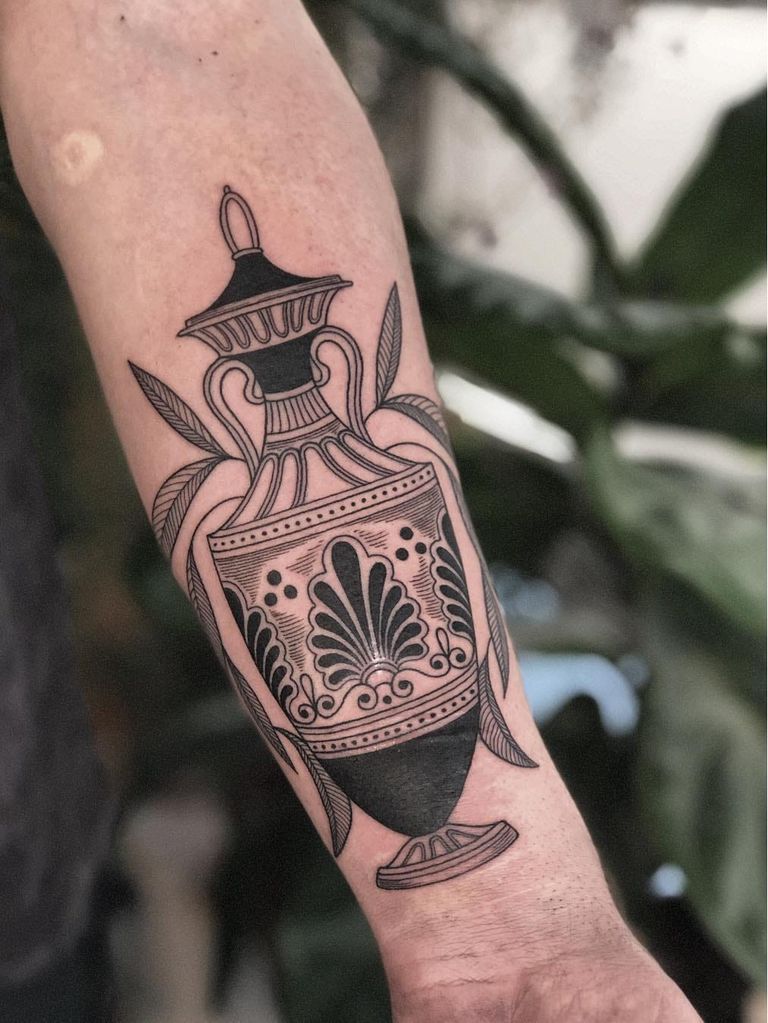
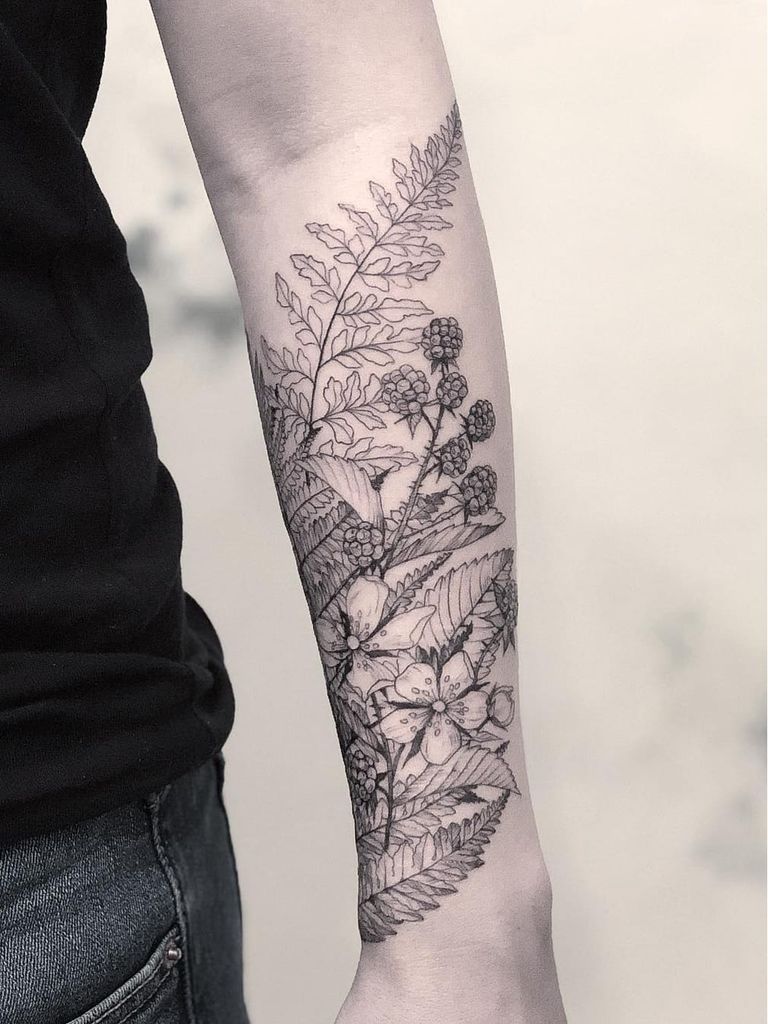
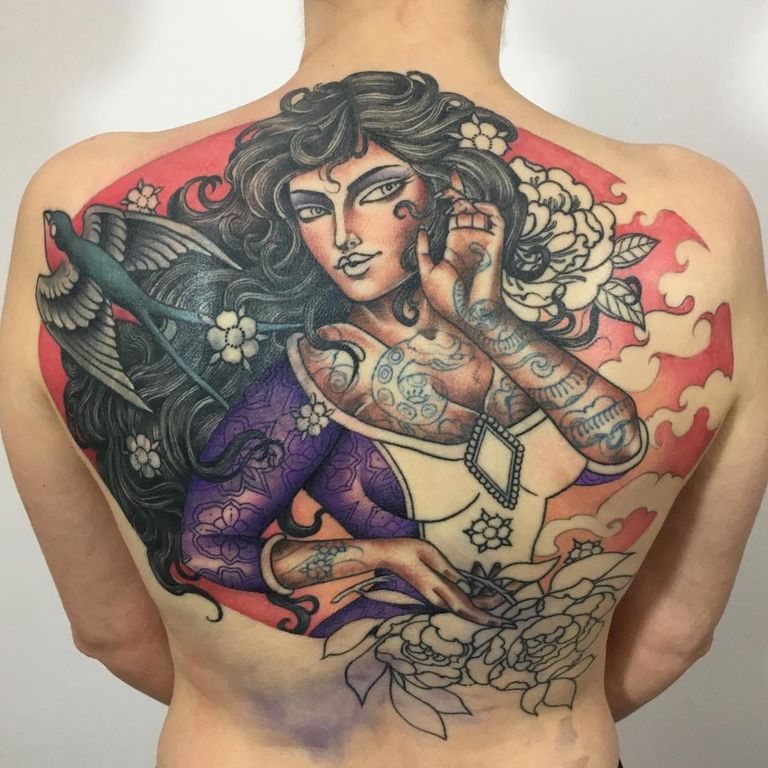
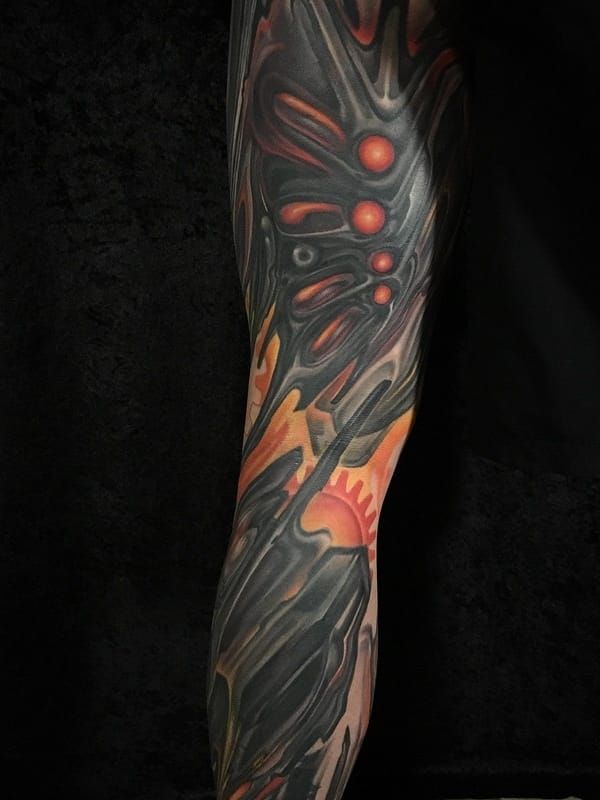
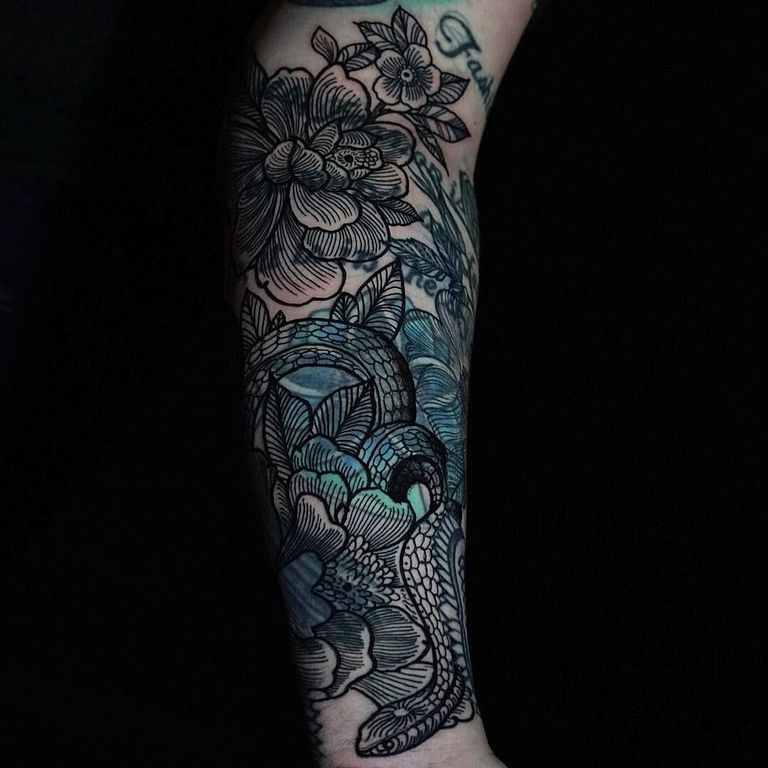
Solid black fills, heavy shading and busy texture give the old lines somewhere to hide. Good subjects include flowers with dark leaves, animals with fur, feathers or scales, skulls and smoke, and koi with Japanese water and wind bars. Blackwork with large black areas works too.
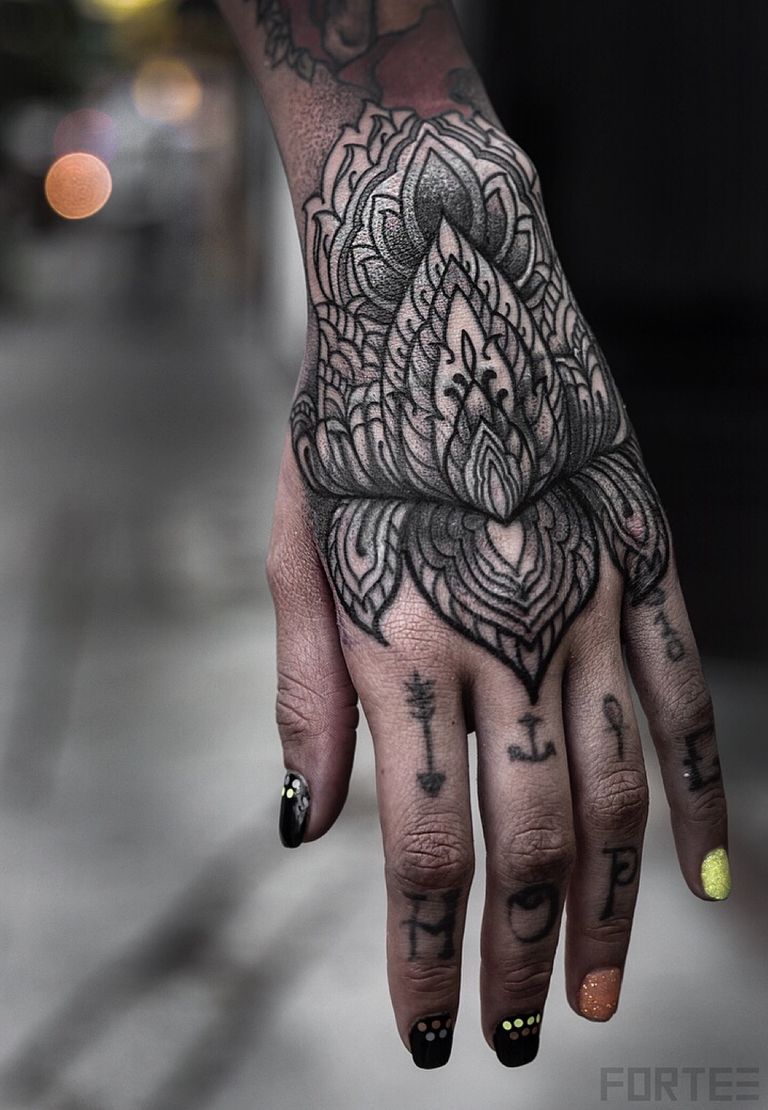
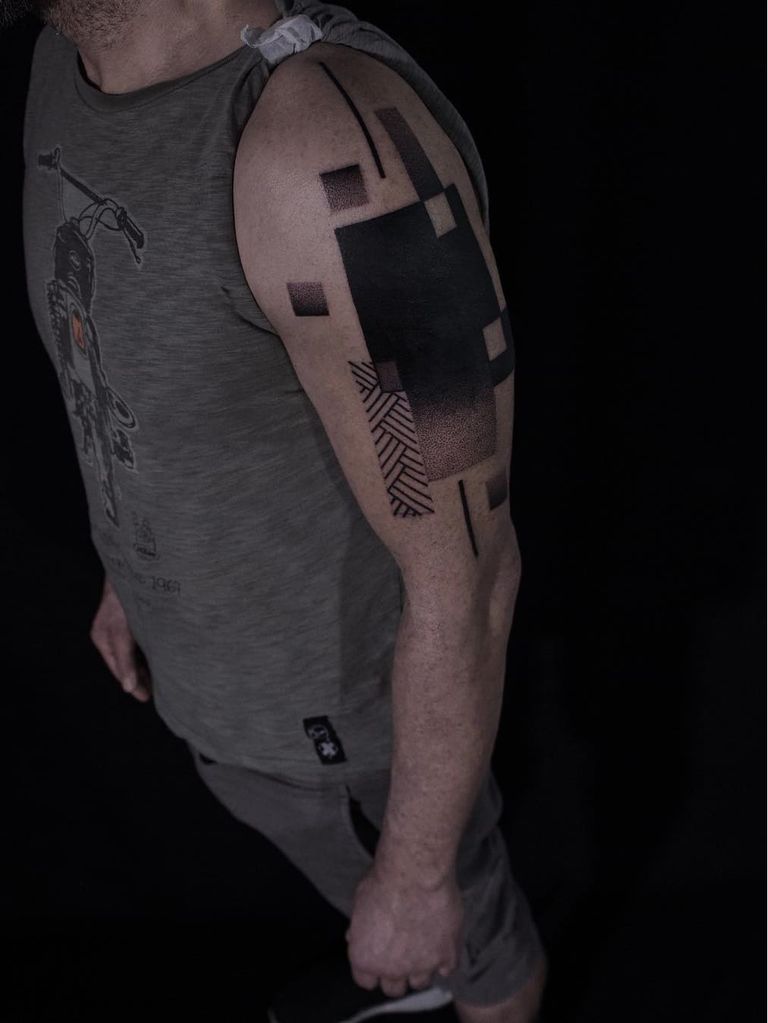
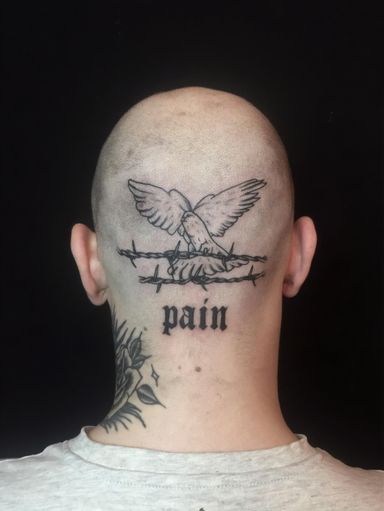
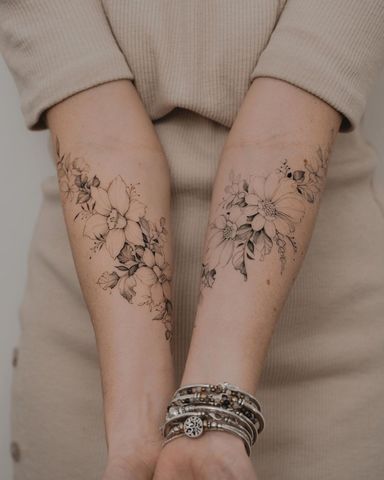
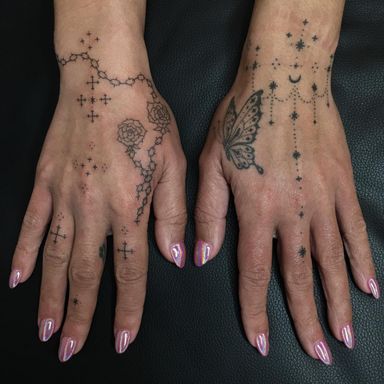
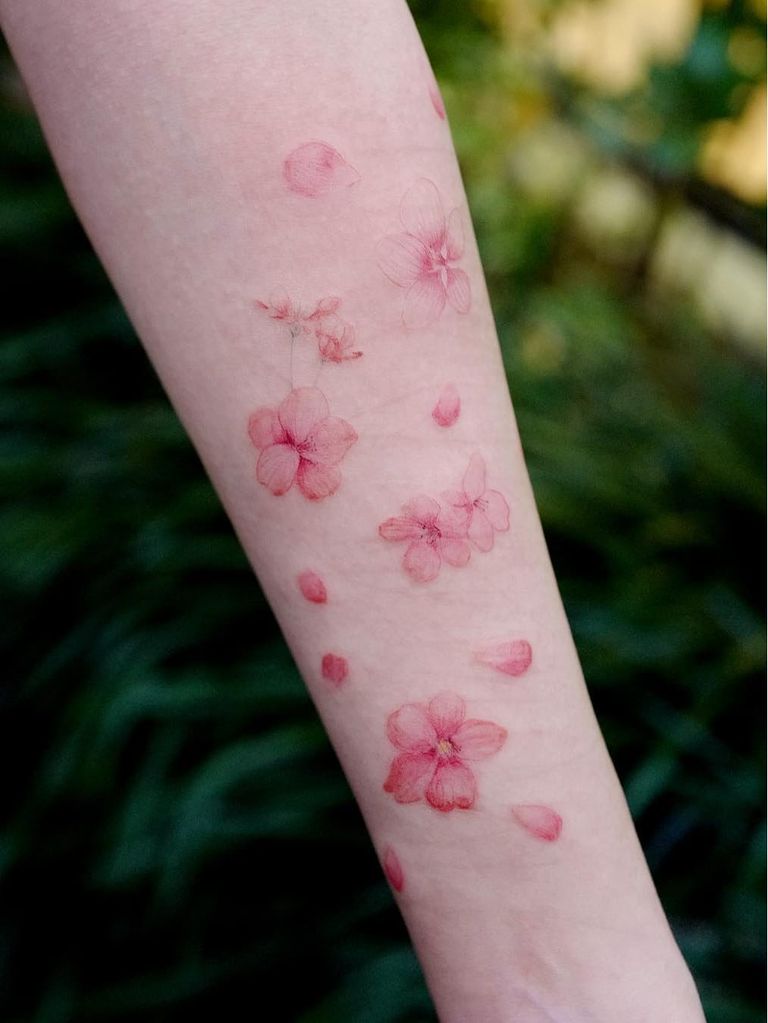
What rarely works: fine line, minimalist designs, small lettering, soft watercolor, and anything with lots of bare skin inside the outline. For those, the old tattoo usually needs laser fading first.
Designing your new piece
The process is like any custom tattoo, with one extra limit: the design has to fit the tattoo underneath.
- You book a consultation so the artist can see the old tattoo in person. Photos hide how dark the ink really is.
- The artist works out where the darkest parts of a new design can sit, and tells you whether laser fading would help.
- Once it has healed, you go back for a touch-up if any old ink shows through.
Bring ideas, and be ready to let some go, since your first choice may not fit the shape of the old tattoo. Names are among the most common cover-ups. A line of script usually ends up under something wide and dark, like a cluster of leaves or a bird with spread wings.
Sizing your cover-up tattoo
A cover-up is always bigger than the tattoo it hides, because the new design has to reach past the old outline on every side. For a small name or symbol, that can mean a piece several times the original size.
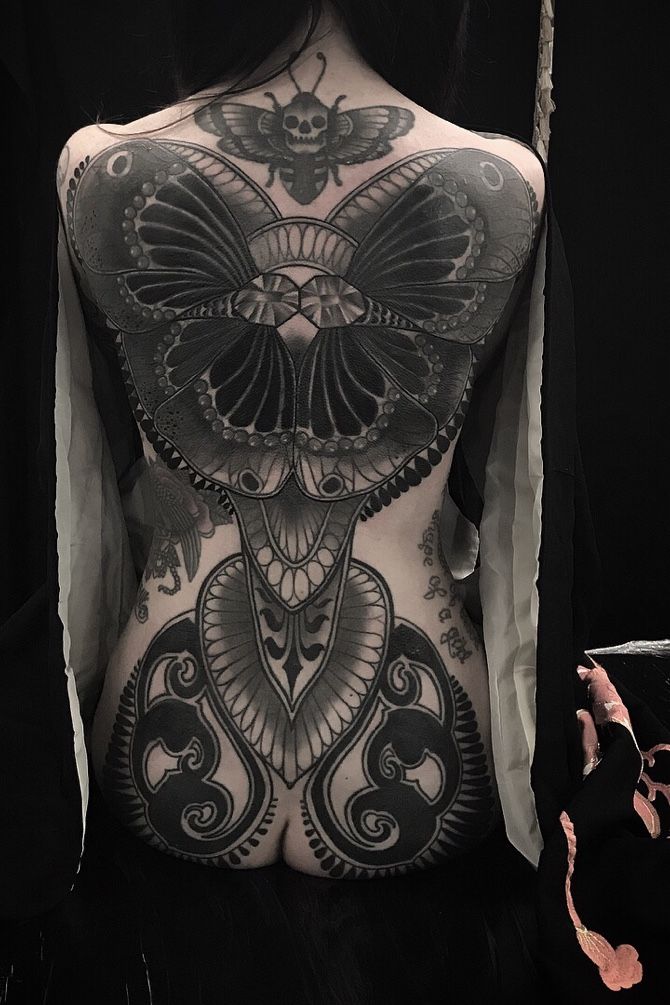
Placement sets the limit. A forearm, thigh or back has room to grow. A finger, wrist, ankle or the side of the neck often doesn’t, and that’s when laser fading is the better route. If you plan more work nearby later, say so. A cover-up can be the start of a sleeve or back piece.
Which colors cover old ink?
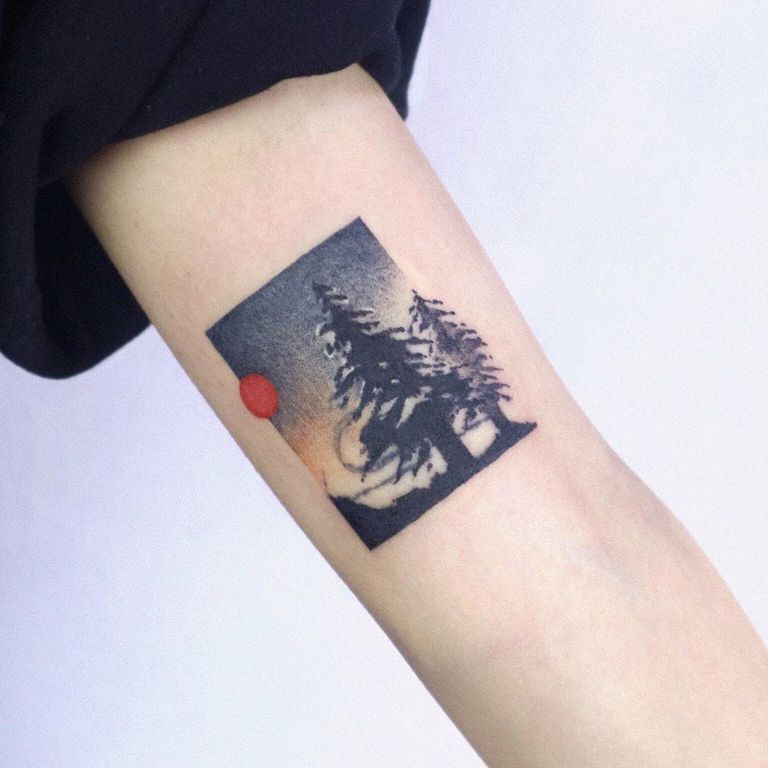
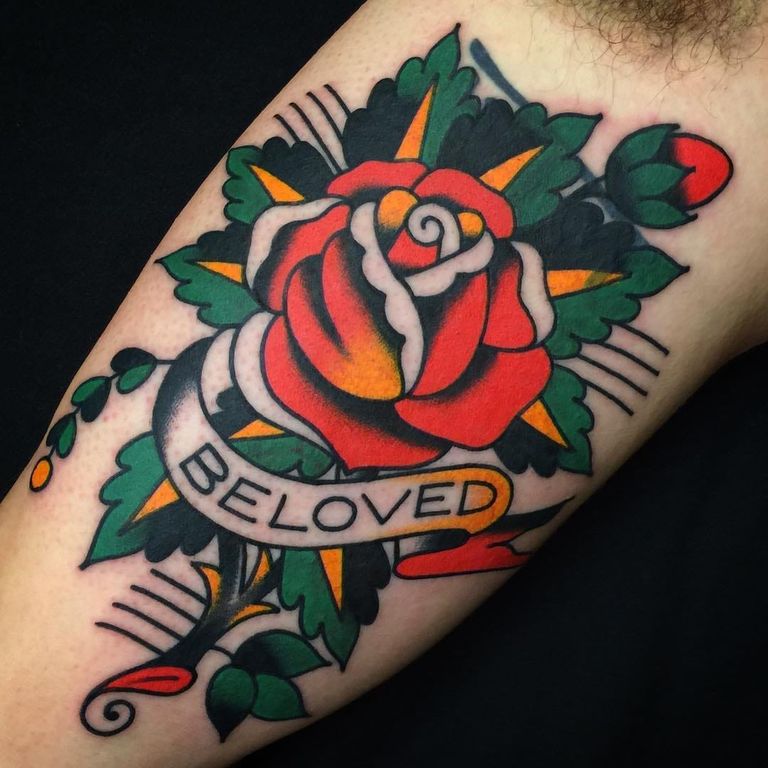
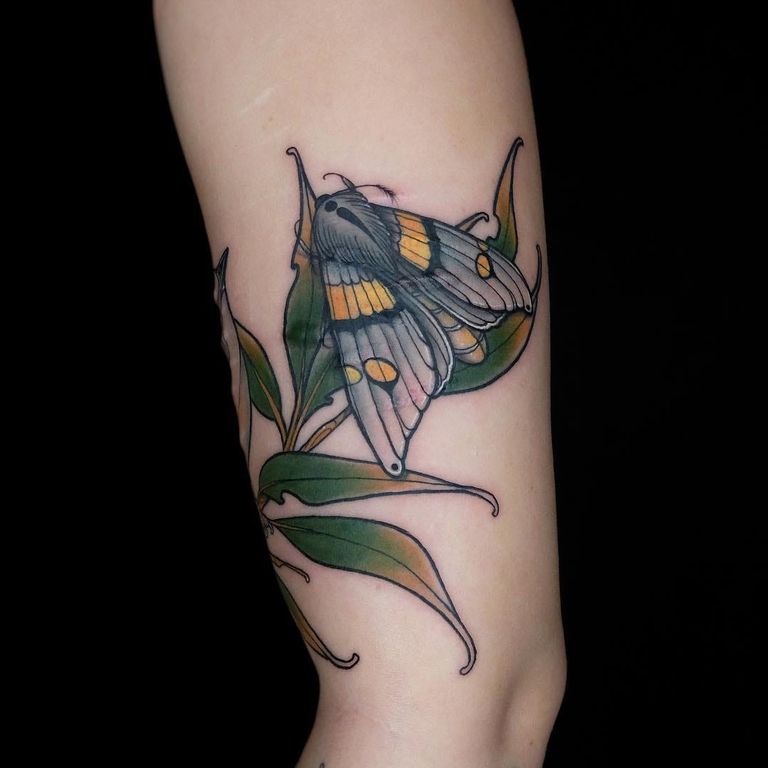
Dark colors cover when they’re packed in densely. Red, yellow, orange, pink, white and other light shades can’t. The old tattoo shows through them, or mixes with them into a muddy tone. Light blue over black heals as a dull grey-blue.
A faded or light tattoo gives you more freedom. The lighter the old tattoo, the lighter and more colorful the new one can be.
When to laser-fade a tattoo before covering it
Laser fading makes sense when the old tattoo is very dark, when you can’t go much bigger, or when you want a lighter design than a straight cover-up allows. The goal is to lighten the tattoo, not erase it, so it takes fewer sessions than full removal.
Talk to your tattoo artist before you book the laser. They can tell you how much fading they need, and sometimes the answer is none. Your skin has to heal fully after the last session, so ask the clinic how long to wait. Our guide to getting a tattoo removed covers how laser removal works.
Choosing an artist for a cover-up
The artist decides how a cover-up turns out more than anything else. Look for before and after photos, and for healed results as well as fresh ones. Old ink can creep back into view as a new tattoo settles.
At the consultation, ask:
- Can you show me cover-ups you’ve done, healed?
- How big would the new piece need to be, and how many sessions do you expect?
- Is a touch-up included if the old tattoo shows through after healing?
Be wary of anyone who promises a small, light design over a large black tattoo without mentioning laser.
Full cover-up, rework or blast-over
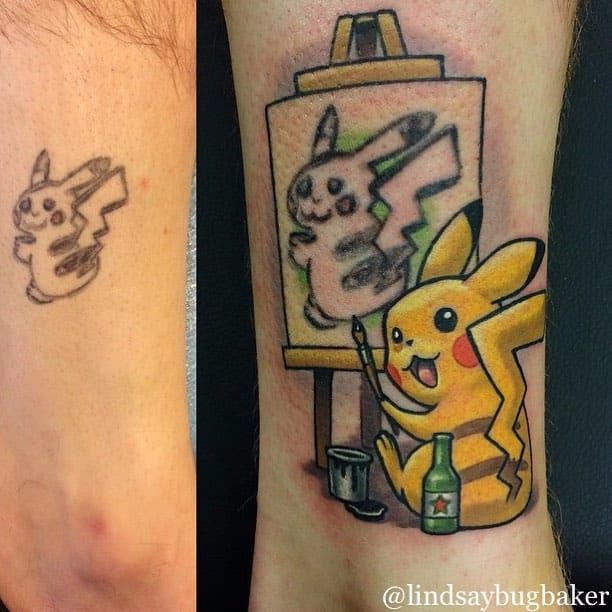
A rework keeps the old tattoo and builds a new design around it. Below, a crude Pikachu became a painting on an easel, with a new Pikachu beside it holding a brush. A blast-over puts bold black linework straight over the old tattoo and lets it show through. It works best over faded color.
Covering scars with a tattoo
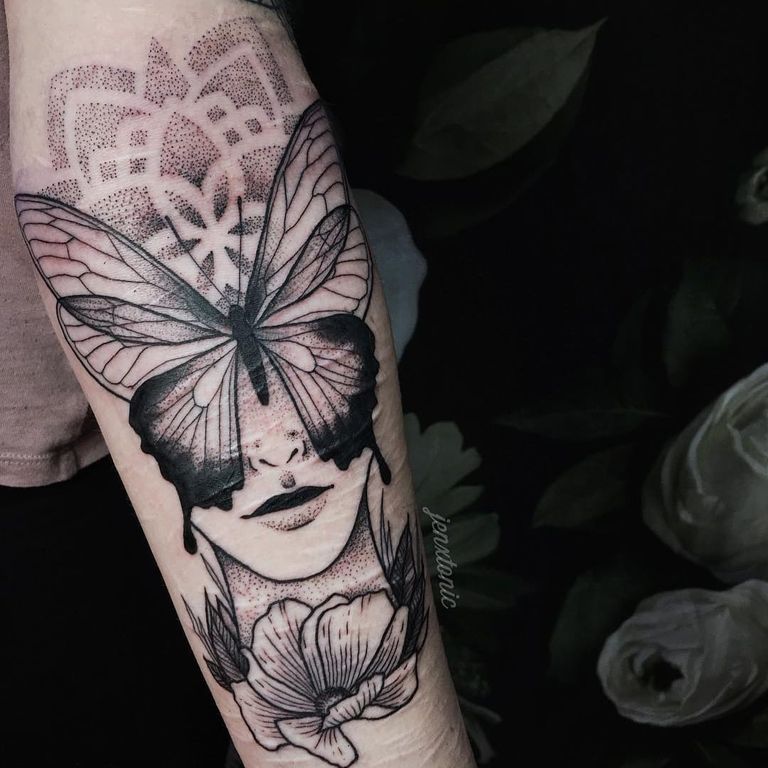
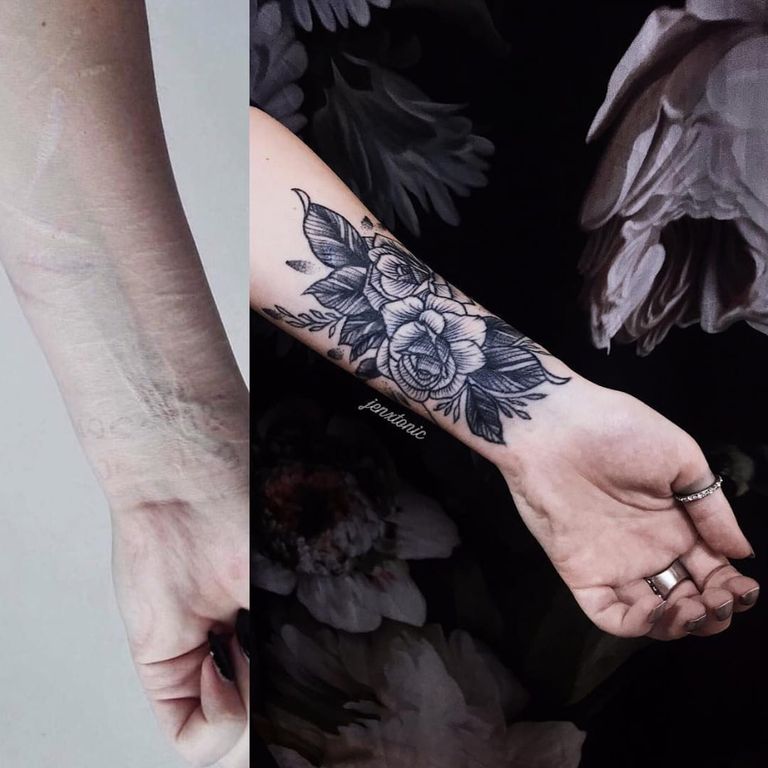
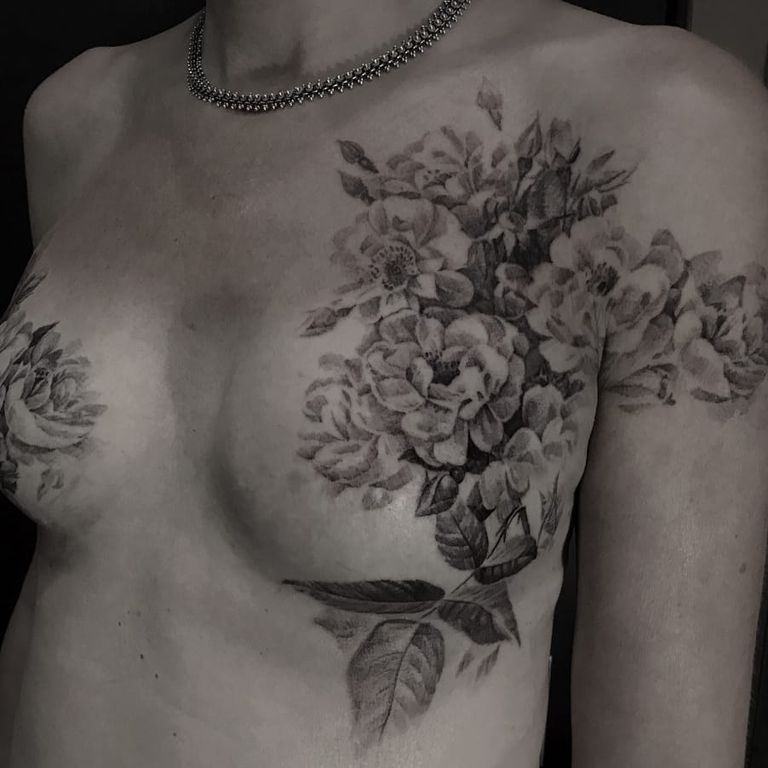
The same choices apply to scars: hide them, or design around them. A scar should be fully healed, flat and pale rather than pink, before it’s tattooed. That can take a year or more. Scar tissue takes ink less evenly, so find an artist who has done scar work before. If your scars are raised or you’re prone to keloids, see a dermatologist first. We’ve also written about tattoos that cover self-harm scars.
What affects the cost of a cover-up?
A cover-up usually costs more than a new tattoo of the same subject, because it is bigger and takes longer. Laser fading is billed separately. Our guide to tattoo prices explains how artists quote.
How to hide a tattoo without getting a new one
If you only need a tattoo out of sight for a day, clothing is easiest: long sleeves, a scarf, opaque tights or a skin-colored compression sleeve. For bare skin, makeup works if you build it in layers:
- Start with a color corrector. Orange or peach cancels out blue-black ink on lighter skin. Deeper skin tones need a deeper orange or red.
- Pat it on in thin layers and set each one with powder.
- Cover it with a full-coverage body concealer that matches the skin around it, then set it with powder or a setting spray.
Don’t put makeup on a tattoo that is still healing.
Browse cover-up tattoo ideas, then use the artist finder to shortlist artists. Send each one a daylight photo of the old tattoo and a rough idea of how big you’re willing to go.